GLP-1 warning signs you shouldn’t ignore
Sudden vision loss is a surprising but very uncommon side effect of some GLP-1 drugs, health officials say.
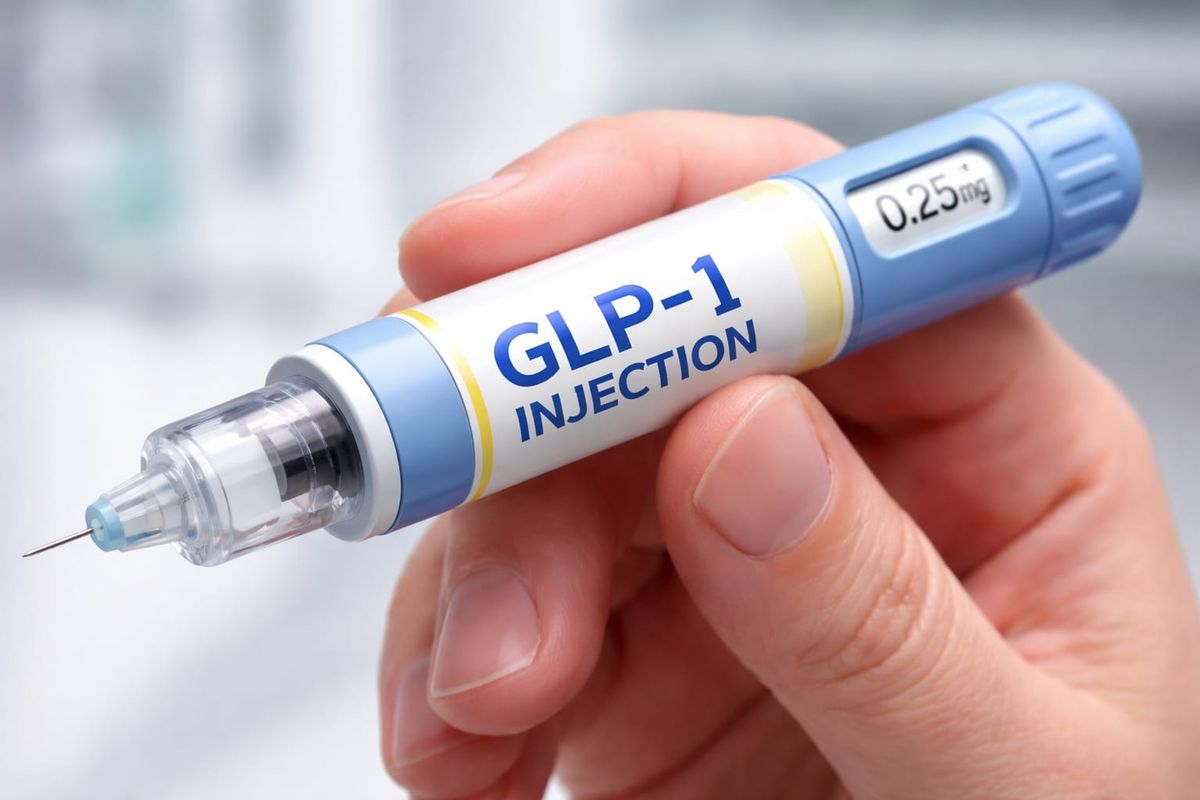
Most people taking GLP-1 drugs experience either no serious problems or manageable side effects such as nausea, constipation or diarrhea. But several symptoms deserve prompt medical attention.
Sudden vision loss or rapidly worsening eyesight
Semaglutide — the active ingredient in Ozempic, Wegovy and Rybelsus — has been linked to the rare optic-nerve condition NAION. British regulators advise patients to seek urgent care for sudden partial or complete vision loss or rapidly worsening eyesight. (GOV.UK)
Severe, persistent abdominal pain
Pain that does not go away, particularly if it radiates to the back or is accompanied by vomiting, can be a sign of acute pancreatitis. FDA labeling for Ozempic warns that pancreatitis has occurred in patients treated with GLP-1 drugs. (FDA Access Data)
Pain in the upper abdomen, fever or yellowing of the skin or eyes
These may indicate gallbladder disease, including gallstones or inflammation of the gallbladder. Gallbladder problems are among the conditions included in FDA warnings for semaglutide. (U.S. Food and Drug Administration)
Persistent vomiting or diarrhea, dizziness or inability to keep fluids down
Severe gastrointestinal symptoms can lead to dehydration and acute kidney injury. The risk is especially important for people with existing kidney problems. (FDA Access Data)
Shaking, sweating, confusion, rapid heartbeat or weakness
These can be signs of low blood sugar, especially in people who take a GLP-1 drug along with insulin or certain other diabetes medications. (FDA Access Data)
Swelling of the face or throat, trouble breathing or a widespread rash
These may signal a serious allergic reaction and require immediate medical care. (FDA Access Data)
 James R. Hood
One important caution
Patients generally should not stop a prescribed GLP-1 drug simply because they develop an ordinary side effect or read about a new safety concern. Changes in diabetes or obesity treatment should normally be discussed with the prescribing clinician.
Sudden vision loss, trouble breathing or other potentially serious symptoms are different: they warrant immediate medical evaluation.