


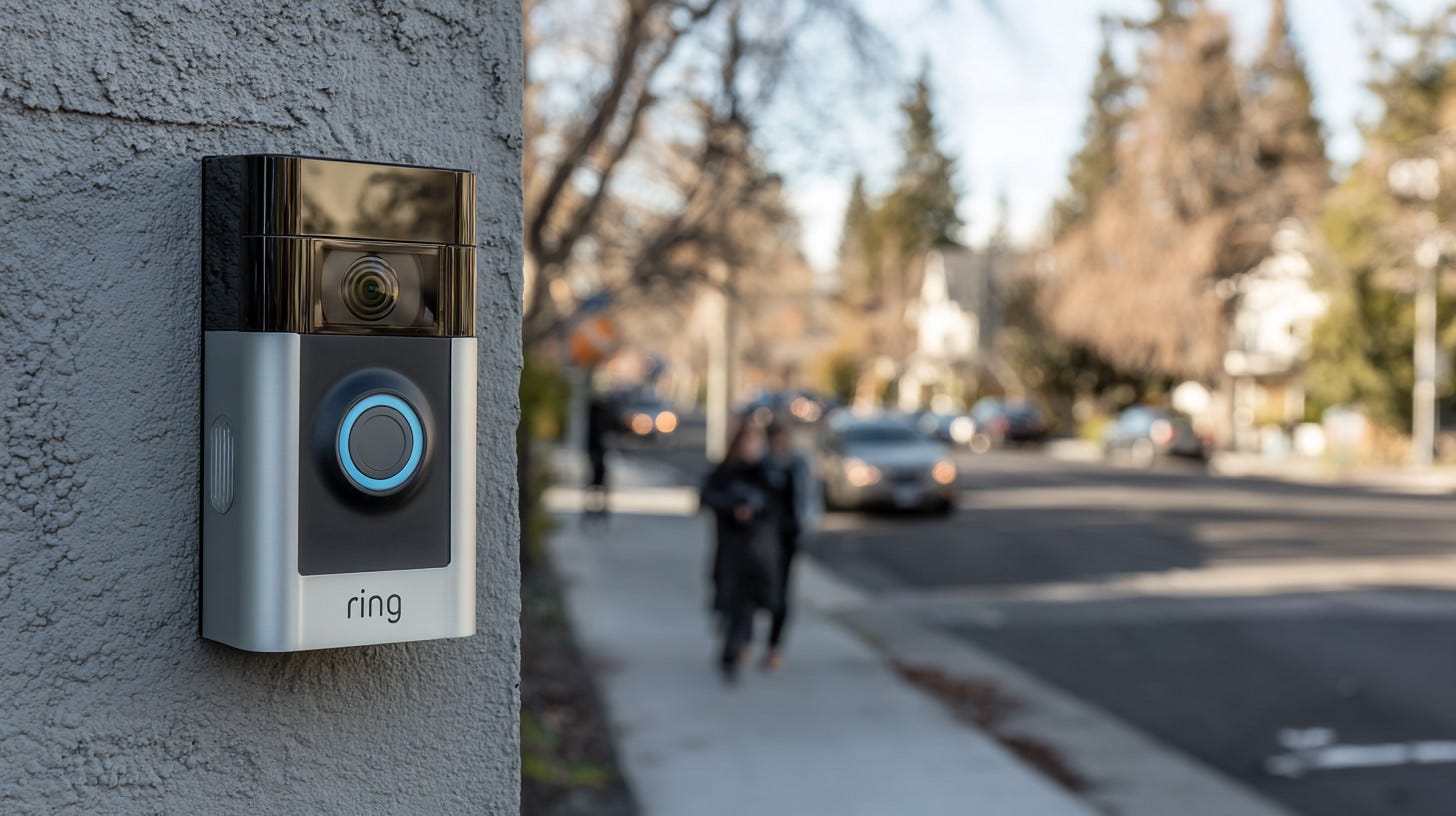
Lawsuit claims Ring collected face data without permission
Amazon is facing a new privacy lawsuit over facial recognition technology built into its Ring doorbell cameras, adding to years of scrutiny over how the company handles customer and bystander data.
The proposed class-action lawsuit was filed in federal court in Seattle by Virginia resident Charles Sigwalt, who alleges that Ring’s “Familiar Faces” feature captured and stored images of his face while he visited homes and businesses equipped with Ring cameras. According to the complaint, neither Sigwalt nor millions of other people who may have appeared on Ring cameras consented to having their biometric information collected, Reuters reported.
The lawsuit seeks at least $5 million in damages and asks the court to certify a nationwide class of people whose facial data may have been collected through the system. Amazon has declined public comment on the litigation.
How the technology works
Ring introduced the “Familiar Faces” feature in late 2025. The optional tool uses artificial intelligence to recognize and remember individuals who frequently appear on a homeowner’s camera feed. Once identified, users can receive personalized alerts such as “John is at the front door” instead of a generic notification that a person has arrived.
Privacy advocates argue that while homeowners can choose whether to activate the feature, visitors, delivery workers, neighbors and passersby have no meaningful opportunity to consent to having their faces analyzed and stored. Critics contend that facial recognition systems create unique biometric identifiers, sometimes called faceprints, that can raise privacy and security concerns if retained, shared or breached, according to a CBS News report.
A familiar controversy for Ring
The lawsuit is the latest chapter in Ring’s long-running privacy battles.
Amazon acquired Ring in 2018 for roughly $1 billion and has repeatedly faced criticism over the company’s relationships with law enforcement agencies, employee access to customer video footage and the broader implications of neighborhood camera networks.
In 2023, the Federal Trade Commission reached a $5.8 million settlement with Ring over allegations that employees and contractors had improper access to customer video recordings. Amazon denied wrongdoing while agreeing to the settlement.
More recently, Ring drew criticism after a Super Bowl advertisement promoted its neighborhood camera network. Privacy groups argued that the technology could contribute to widespread surveillance, prompting renewed scrutiny from lawmakers and civil liberties advocates, AP News said.
What the case could mean
The lawsuit arrives as courts and regulators continue to wrestle with how biometric privacy laws apply to rapidly expanding AI-powered consumer technologies.
Several states, including Illinois and Texas, already impose restrictions on the collection and use of biometric information. Legal experts say the Ring case could become an important test of whether companies can deploy facial recognition systems that inevitably capture people who never agreed to participate, according to a Washington Post report.
For consumers, the case highlights a growing reality: facial recognition technology is moving beyond airports, smartphones and law enforcement databases and into residential neighborhoods. Whether courts determine that those scans require explicit consent may shape the future of AI-powered home security products across the country.
Why consumers should care
If the plaintiffs ultimately prevail, companies that use facial recognition could face stricter consent requirements and higher compliance costs. The Electronic Frontier Foundation and other privacy advocates argue that stronger protections would give consumers greater control over how their biometric information is collected and stored, while industry groups contend that facial recognition can provide convenience and security benefits when used responsibly.
The case is in its early stages, and the court has not yet ruled on the merits of the allegations. Amazon has not publicly responded to the specific claims in the lawsuit.