


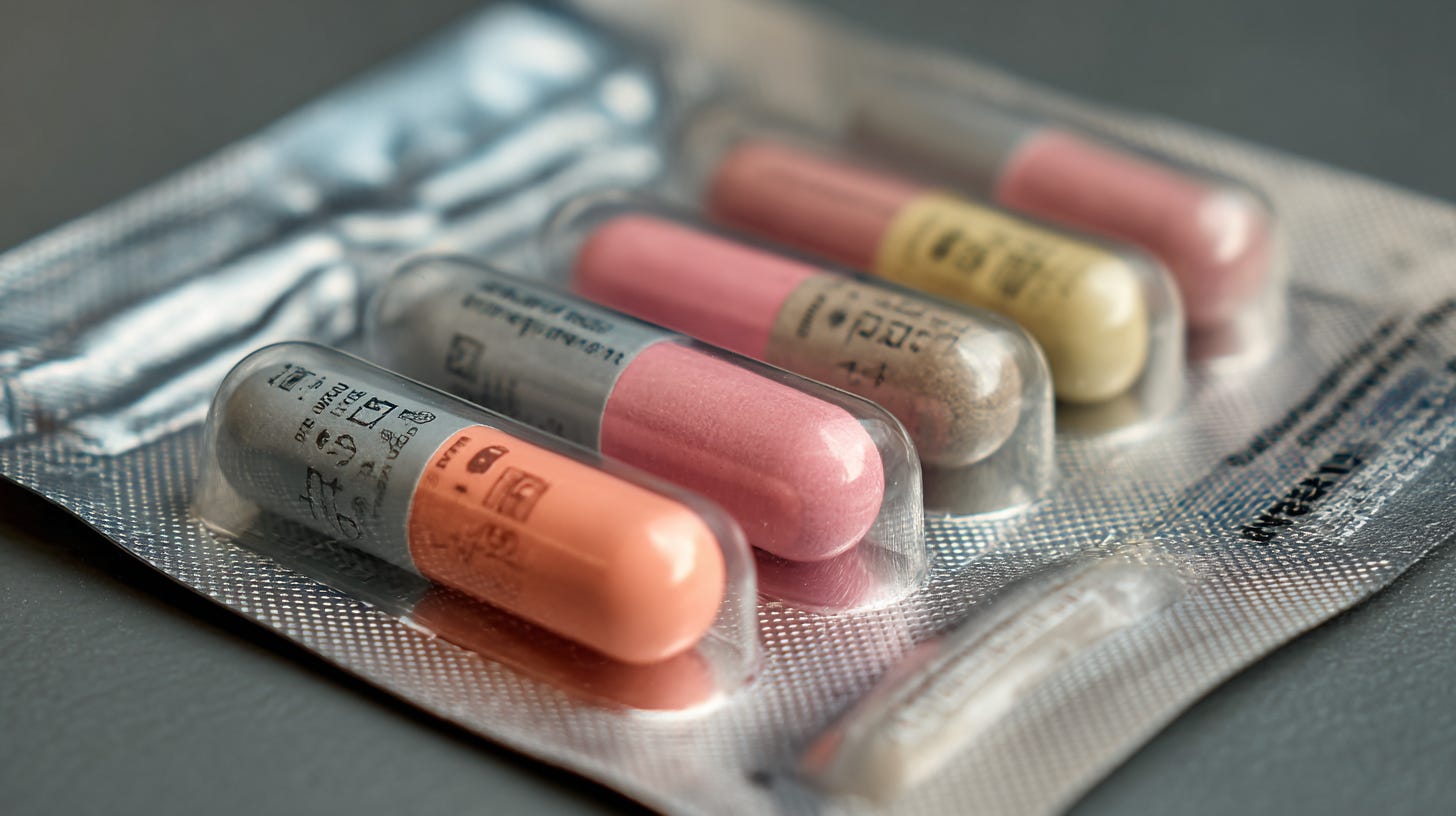
A panel of the Fifth U.S. Circuit Court of Appeals has blocked, for now, a federal policy that allowed doctors to prescribe and mail the abortion drug mifepristone without an in-person visit — a move that could sharply restrict access to medication abortion across the U.S.
The court ruled for Louisiana officials, who argued the FDA relied on flawed data when it loosened restrictions on the drug. Judges said the state was likely to succeed in its challenge and could suffer harm if the mailing rule stayed in place during litigation.
The decision puts on hold a 2023 FDA change that had expanded telehealth access to the drug, which is typically used with misoprostol to terminate pregnancies up to 10 weeks.
Why this matters now
Medication abortion — using pills rather than a procedure — now accounts for a majority of U.S. abortions. Access has expanded in recent years, especially after the Supreme Court’s 2022 decision in Dobbs v. Jackson Women’s Health Organization ended federal abortion protections.
Telemedicine and mail delivery became a critical workaround, particularly for patients in states with bans.
This ruling directly targets that workaround.
What options women still have
Even with the mailing restriction temporarily blocked, access to abortion pills hasn’t disappeared — but it has become more complicated and uneven. Here’s how options now break down:
In states where abortion is legal
Patients can still obtain mifepristone in person at clinics, hospitals, or certified providers
Some providers may pivot to clinic pickup models instead of mailing
Telehealth may still be used for consultation — but not for mailing pills under this ruling
Shield-law states and telehealth networks
A handful of states (like California, New York, and Massachusetts) have “shield laws” allowing doctors to prescribe across state lines
However, the ruling creates legal uncertainty about whether those providers can continue mailing pills
Some providers may continue operating while litigation proceeds, but access could vary quickly
Misoprostol-only regimens
Doctors can prescribe misoprostol alone, which is less restricted and widely available
Medical groups say it is safe and effective, though slightly less effective than the two-drug regimen
This may become a more common fallback option
Traveling for care
Patients may need to travel to another state to obtain pills in person
This raises costs for transportation, lodging, and time off work — a major barrier for many
Online and international pharmacies
Some patients have turned to overseas pharmacies or informal networks
Legal risks and quality concerns vary widely depending on source
What research says
Major medical organizations — including American College of Obstetricians and Gynecologists — say mifepristone is safe and effective, citing decades of use and millions of patients.
But anti-abortion groups argue federal safety data are incomplete, particularly around nonfatal complications — a key issue in the lawsuit.
What happens next
The ruling is temporary and part of ongoing litigation. The FDA is also conducting a broader safety review of mifepristone under the current administration.
The case could:
Move toward a full trial
Be appealed to the U.S. Supreme Court
Lead to further nationwide restrictions — or reinstatement of telehealth access
What this means for consumers
Access to abortion medication is becoming:
More fragmented — varying sharply by state
More costly — due to travel and in-person requirements
More uncertain — as legal rules shift quickly
For now, the biggest immediate impact is the loss of mail-order convenience, which had become a primary access point for many patients — especially those in restrictive states.
How to find abortion pill care now (post-ruling checklist)
Step 1: Check your state laws
Confirm whether abortion is legal in your state and up to how many weeks
Use trusted sources like state health departments or major medical groups
Rules can change quickly — verify before making plans
Step 2: Contact local providers first
Search for nearby clinics, OB-GYN offices, or reproductive health centers
Ask specifically about in-person access to abortion pills
Some providers may require an office visit but still offer medication abortion
Step 3: Ask about telehealth limits
Telehealth consults may still be available
But mail delivery of pills may be restricted under current rulings
Ask if clinic pickup is an option after a virtual visit
Step 4: Look into shield-law providers (with caution)
Some states allow doctors to prescribe across state lines
Availability may be uncertain or changing due to legal challenges
Confirm current status before relying on this option
Step 5: Consider misoprostol-only regimens
Ask providers about misoprostol-only abortion, which may be easier to access
Medical groups consider it safe and effective
May be used when mifepristone access is limited
Step 6: Plan for travel if needed
If local access is blocked, identify the nearest state where care is legal
Ask clinics about:
Appointment wait times
Total cost
Required number of visits
Look into abortion funds that may help with travel and lodging
Step 7: Watch for scams and unsafe sources
Be cautious with unfamiliar online pharmacies or social media offers
Verify providers through established organizations
Avoid sources that don’t require prescriptions or medical screening
Step 8: Act early
Medication abortion is typically approved for early pregnancy (up to ~10 weeks)
Delays can limit options and increase costs
Step 9: Keep documentation
Save appointment confirmations, receipts, and medical instructions
Helpful if follow-up care is needed
Step 10: Have a backup plan
Identify a second provider or location in case availability changes
Laws and access points are shifting quickly
Bottom line:
Access hasn’t disappeared — but it now requires more planning, verification, and flexibility. Acting early and confirming details directly with providers is critical.