

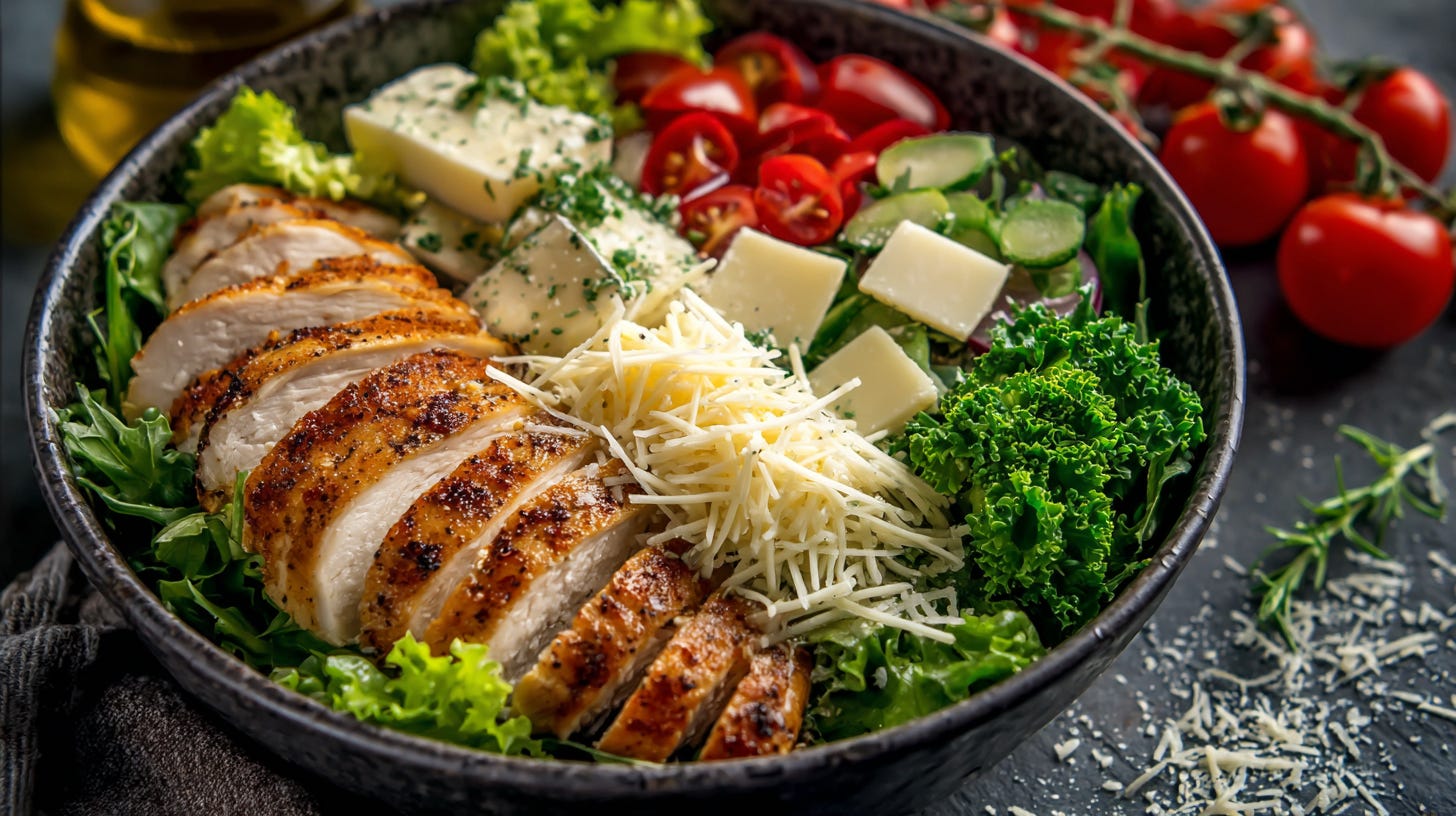
You would think that a green salad with chicken and cheese would be a healthy lunch, and it probably would be. But it’s worth noting that those three food groups are the most often implicated in outbreaks of Salmonella, E. coli and Listeria, respectively.
A new analysis from the Interagency Food Safety Analytics Collaboration—a partnership that includes the Food and Drug Administration, Centers for Disease Control and Prevention and the USDA Food Safety and Inspection Service—breaks down the leading sources of three major foodborne pathogens: Salmonella, E. coli O157 and Listeria monocytogenes.
The findings underscore a surprising reality: a seemingly healthy meal—like a chicken salad with greens and cheese—can combine several of the most common sources of foodborne illness.
Salmonella
Chicken: 19.1%
Fruits: 14.2%
Seeded vegetables (e.g., tomatoes): 13.0%
Pork: 11.7%
Other produce (including nuts): 10.0%
Beef: 7.8%
Together, those six categories account for more than 75% of Salmonella infections.
E. coli O157
Leafy greens: 67.9%
Beef: 18.6%
Just two categories make up 85% of cases, with leafy greens dominating.
Listeria monocytogenes
Dairy: 31.9%
Vegetable row crops: 27.4%
Fruits: 15.9%
Researchers cautioned that Listeria estimates are less precise because outbreaks are rarer—but often more severe.
Why these foods are risky
The report highlights how contamination can occur at multiple points—from farms to processing facilities to home kitchens.
Chicken and beef can carry bacteria if undercooked or cross-contaminated
Leafy greens and produce are often eaten raw, giving pathogens no chance to be killed by heat
Dairy products can harbor Listeria, particularly if unpasteurized or improperly stored
The analysis also reflects advances in detection. Officials said newer tools like whole-genome sequencing now allow investigators to link cases across multiple years—helping identify long-running outbreaks that were previously missed.
What this means
For consumers, the takeaway is not to avoid these foods—but to handle them more carefully.
Many of the highest-risk items are staples of a healthy diet. The difference between safe and unsafe often comes down to preparation and storage.
Safe eating tips: how to reduce your risk
1. Separate raw and ready-to-eat foods
Keep raw meat and poultry away from produce in your cart and fridge
Use separate cutting boards for meat and vegetables
2. Cook meats thoroughly
Chicken should reach an internal temperature of 165°F
Ground beef should reach 160°F
3. Wash produce—properly
Rinse fruits and vegetables under running water (even pre-washed items if desired)
Scrub firm produce like melons and cucumbers
4. Refrigerate promptly
Don’t leave perishable food out for more than 2 hours (1 hour in hot weather)
Keep your fridge at 40°F or below
5. Watch high-risk foods
Avoid unpasteurized milk and soft cheeses unless labeled pasteurized
Be cautious with bagged salads and pre-cut fruit—consume quickly after opening
6. Practice hand hygiene
Wash hands with soap for at least 20 seconds before and after handling food
The bottom line
The federal findings reinforce a key point: food safety risks are often hiding in everyday meals.
A healthy salad can still carry pathogens—but with proper handling, cooking and storage, consumers can dramatically reduce their chances of getting sick.