

For years, clean-energy financing was promoted as a win-win: homeowners could make energy-saving upgrades with little or no money down, while reducing utility bills and shrinking their carbon footprint.
But for some consumers, the reality proved far more complicated.
Complaints involving solar financing, PACE loans and contractor-arranged home-improvement loans have generated lawsuits, regulatory actions and calls for stronger consumer protections. While the industry has matured and regulations have tightened, advocates say the underlying risks have not disappeared.
What are clean-energy loans?
Clean-energy financing generally refers to loans used to pay for solar panels, energy-efficient windows, insulation, roofs, heat pumps, HVAC systems and other upgrades intended to reduce energy consumption.
One of the most controversial financing products has been PACE, or Property Assessed Clean Energy financing. Unlike a traditional loan, PACE financing is repaid through a homeowner’s property tax bill.
Supporters say the structure allows homeowners to finance major improvements without large upfront costs. Critics argue that many borrowers never fully understood what they were signing.
Why consumers complained
Consumer complaints have tended to center on a few recurring themes:
Promises that utility bills would disappear or drop dramatically.
Claims that federal tax credits would offset most or all of the cost.
Financing agreements arranged by contractors rather than independent lenders.
Unexpected increases in property-tax bills.
Difficulties refinancing or selling homes with outstanding PACE obligations.
In some cases, homeowners reported learning only after closing that their financing obligations were significantly larger than expected.
Consumer advocates say older homeowners have been especially vulnerable.
The National Consumer Law Center has repeatedly warned that some homeowners have been steered into financing products that were unaffordable or poorly explained.
The solar sales problem
Today, many consumer advocates say the greatest concern involves residential solar sales and financing rather than the clean-energy products themselves.
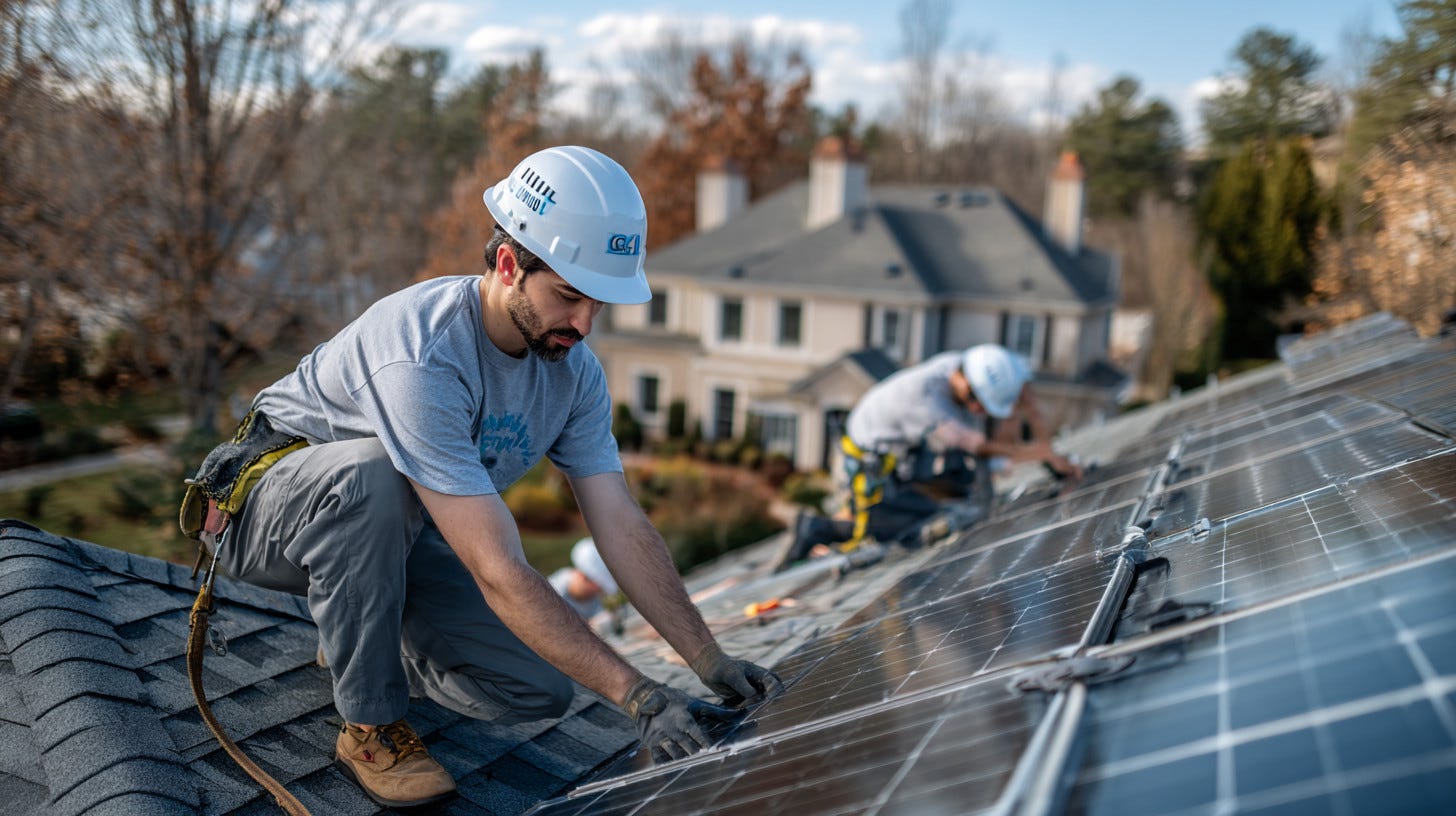
Solar installations often involve multiple parties, including sales representatives, contractors, lenders and equipment providers. That complexity can make it difficult for consumers to understand who is responsible when problems arise.
State attorneys general and regulators have pursued enforcement actions against some solar companies accused of exaggerating energy savings, misrepresenting tax incentives or failing to disclose financing costs adequately.
Consumer complaints commonly involve allegations that promised savings never materialized or that financing payments exceeded expected reductions in electric bills.
Protections have improved
The clean-energy financing industry of 2026 looks very different from the market of a decade ago.
Federal regulators have imposed ability-to-repay requirements on residential PACE financing, bringing it closer to mortgage-style consumer protections. Several states have also strengthened disclosure requirements and increased oversight of contractors and financing providers.
Many lenders now require clearer documentation, recorded confirmation calls and more detailed explanations of repayment obligations.
These reforms have reduced some of the most severe abuses that drew criticism in the 2010s.
Why advocates remain concerned
Consumer groups say the fundamental incentives that created problems in the first place still exist.
Contractors often earn commissions based on completed projects, creating pressure to emphasize potential savings while downplaying costs or risks. Because many homeowners focus primarily on monthly payments, they may overlook total borrowing costs, interest charges or the effect of financing on future property transactions.
Advocates also note that aggressive marketing often targets consumers facing high energy bills, making them more receptive to promises of immediate savings.
What consumers should do
Experts recommend several precautions before signing any clean-energy financing agreement:
Obtain competing bids from multiple contractors.
Review financing separately from the home-improvement contract.
Verify projected energy savings independently.
Understand whether the financing will appear on a property-tax bill.
Ask how the financing could affect refinancing or selling the home.
Read all loan disclosures carefully and verify total repayment costs.
What this means
Clean-energy financing remains an important tool for homeowners seeking to reduce energy costs and improve their homes. Most projects proceed without major problems.
However, consumer advocates say the market still contains enough misleading sales practices and financing pitfalls to warrant caution. The greatest danger may not be the solar panels, windows or heat pumps themselves, but the financing arrangements attached to them.
For consumers considering a clean-energy upgrade, the lesson is simple: treat the financing agreement with the same scrutiny as the product being installed. A system that promises savings can still become an expensive mistake if the loan terms are not fully understood.
Fraud Watch
Warning signs of a potentially risky clean-energy financing offer:
“No cost” or “free solar” claims.
Guarantees that utility bills will disappear.
Pressure to sign immediately.
Promises that tax credits will cover most costs without verifying eligibility.
Refusal to provide written savings estimates.
Financing documents presented only at the last minute.
Salespeople discouraging independent review of loan terms.
Consumers who believe they were misled should contact their state attorney general’s office, state consumer-protection agency, or the Federal Trade Commission.