
Consumer rage Is boiling over as Americans battle high prices, hidden fees and vanishing customer service
Emails from "Do not reply" don't do much to mollify consumers with a problem

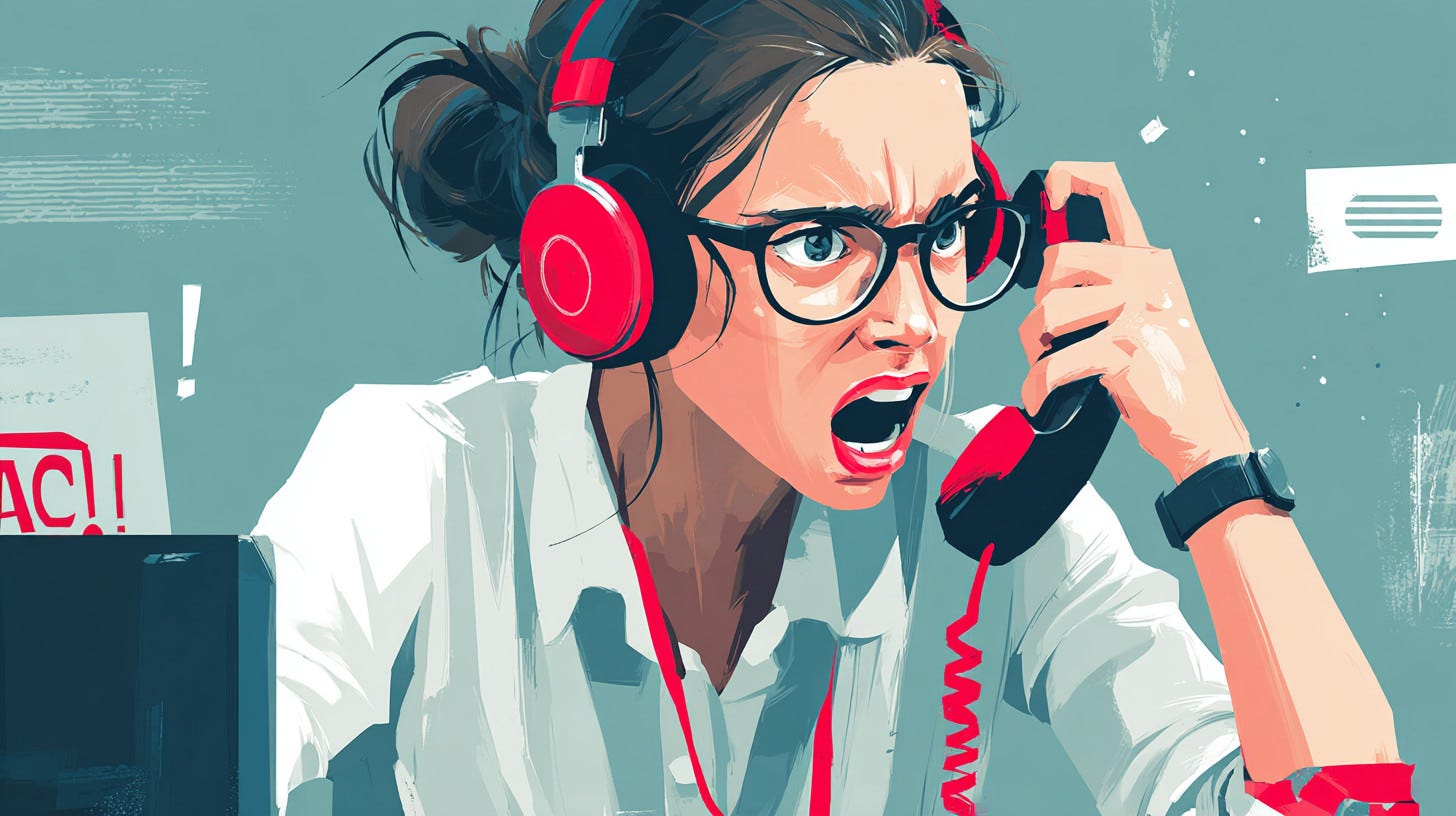
Consumer anger reaches a boiling point
American consumers are increasingly frustrated, and not just because prices remain high.
A new investigation by The Guardian points to a surge in what researchers call “consumer rage” — a growing sense among Americans that they are constantly fighting billing errors, poor customer service, hidden charges, defective products and automated systems that seem designed to make complaints harder to resolve.
According to the latest National Consumer Rage survey, nearly 80% of Americans experienced a product or service problem in 2025, and roughly two-thirds of those consumers reported feeling rage as a result.
The findings come as consumer confidence has fallen to record lows amid rising living costs and inflation concerns. Recent surveys from the University of Michigan found consumer sentiment at historic lows as households struggle with higher prices for necessities including fuel, food and housing.
It’s about more than inflation
While rising prices remain a major source of frustration, consumer advocates say the problem runs deeper.
The Guardian investigation identifies several long-term trends contributing to consumer dissatisfaction, including increased corporate consolidation, weakened regulations, court decisions that limit consumer remedies, private-equity ownership of service providers, and the growing use of artificial intelligence in customer service systems. These changes often leave consumers feeling trapped in automated complaint loops with few opportunities to speak to a human representative.
The report also highlights concerns that federal consumer-protection agencies have been weakened in recent years, reducing oversight and making it harder to hold companies accountable for deceptive practices or poor service.
Affordability Watch
Consumer frustration is being amplified by a broader affordability crisis.
Consumer sentiment hit a record low in May, according to University of Michigan data. Researchers found that consumers across income levels are increasingly worried about the cost of living, with many reporting that higher prices are eroding their finances.
Recent inflation data show prices rising at the fastest pace in three years, driven in part by higher energy costs and broader supply-chain pressures. Analysts say households are increasingly forced to devote more of their budgets to essentials, leaving less money for discretionary spending.
Why consumers feel powerless
Consumer advocates say one of the biggest drivers of anger is the perception that the system is stacked against ordinary people.
When companies dominate markets, consumers often have fewer alternatives. At the same time, shrinking local news coverage and reduced investigative reporting mean fewer watchdogs are scrutinizing corporate behavior. The Guardian notes that local consumer reporting — once a staple of newspapers and television stations — has largely disappeared in many communities.
Local news websites have popped up in recent years but many are little more than outlets for corporate news releases and announcements of store openings, holiday sales and other business promotions. Honest local reviews are hard to find.
As a result, consumers often find themselves navigating disputes alone, whether the issue involves a billing mistake, a denied refund, a defective product or a misleading contract.
What this means for consumers
The rise in consumer rage is more than a customer-service issue. It reflects growing anxiety about affordability, fairness and accountability in the marketplace.
For consumers, experts recommend documenting transactions, saving receipts and communications, escalating complaints in writing, and filing reports with regulators when companies fail to respond.
Consumer advocates also argue that stronger enforcement, clearer disclosures and more accessible dispute-resolution processes could help reduce frustration and rebuild trust.
The bottom line: Americans are angry about prices, but many are even angrier about the feeling that when something goes wrong, nobody is listening. The result is a growing sense of consumer frustration that extends far beyond inflation and into the structure of the modern marketplace.