

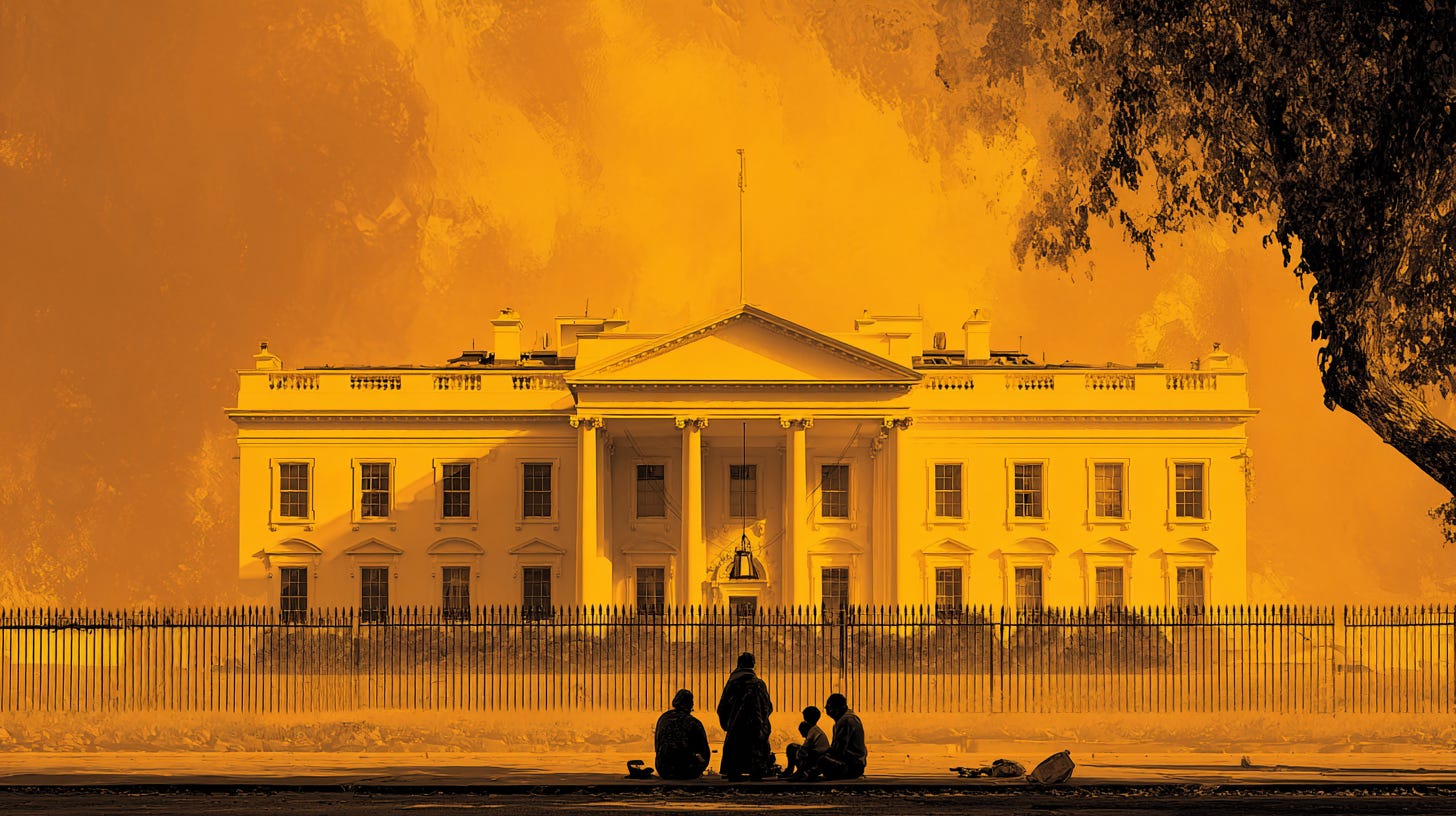
Created after the 2008 financial crisis, the Consumer Financial Protection Bureau reshaped how the U.S. polices consumer finance but has been effectively shut down by the Trump White House
In its brief existence, the agency returned billions to consumers while drawing persistent political and legal attacks
As 2026 dawns, there are signs the troubled agency may be returning to life, as long-pending court challenges are heard
The Consumer Financial Protection Bureau, once celebrated as a central safeguard for everyday Americans in the financial marketplace, has been confronting an existential crisis as the Trump White House has effectively gutted the agency, but two new developments hint that the tide may soon be turning.
A federal judge ruled in December 2025 that the Trump administration cannot cut off funding to the CFPB and 21 Democratic attorneys general from around the country have filed a lawsuit asking a federal court to require the CFPB to request funding from the Federal Reserve.
Born out of crisis
Established by Congress in the 2010 Dodd-Frank Wall Street Reform and Consumer Protection Act in the wake of the financial crisis, the CFPB was designed “to promote fairness and transparency for mortgages, credit cards, and other consumer financial products and services.”
The CFPB officially opened on July 21, 2011, consolidating consumer protections that had been scattered across multiple agencies. Its creation followed years of mounting consumer harm tied to predatory lending and opaque financial practices that helped trigger the 2007–08 financial meltdown.
Sen. Elizabeth Warren (D-MA), proposed the idea for the agency and helped nurture its creation as one of the capstones of the Obama administration. When the Supreme Court upheld its structure in 2024 after attacks by Trump forces, Warren shot back that “the CFPB is here to stay… [and] has fought the big banks and predatory lenders that try to cheat hardworking people.”
Enforcement and impact
Over its first decade and a half, the CFPB became one of the federal government’s most active enforcers of consumer financial law. Its work spanned mortgage servicing, credit card practices, student loans, payday lending, and more, with regulators reporting more than $21 billion returned to consumers who had been defrauded by financial institutions.
Warren, reflecting on the agency’s role in a 2024 hearing, said, “Because there’s an effective watchdog just to keep the playing field level … that’s really the job of the CFPB.”
Political backlash and structural fights
From its inception, the CFPB faced fierce political opposition, particularly from Republican lawmakers and the financial industry, who argued it wielded excessive power with insufficient oversight. Its unique funding mechanism — funded via the Federal Reserve rather than annual congressional appropriations — and a structure centered on a single director made it a frequent target.
Banks, mortgage lenders, the buy-now-pay-later industry and predatory payday lenders sent swarms of lobbyists to the Hill, showering lawmakers with arguments and what might be called emoluments in exchange for helping to chip away at the consumer protections CFPB was delivering.
Legal challenges reached the U.S. Supreme Court in Seila Law LLC v. CFPB, with the court in 2020 ruling that the president may remove the bureau’s director at will — a decision that altered the balance of executive control.
Turmoil in 2025
The CFPB’s stability deteriorated sharply in after the Trump forces took control. They appointed a new acting director and ordered the bureau to halt rulemaking, enforcement, and investigations, even temporarily closing its Washington headquarters and chipping its name off the building.
Critics cursed the move as an effort to nullify an agency created by Congress and working aggressively to protect consumers from junk fees, usurious interest rates and discriminatory lending practices. “Vought is giving big banks and giant corporations the green light to scam families,” Sen. Warren said in response to the shutdown order.
Federal Reserve Chair Jerome Powell emphasized the CFPB’s unique role during a Senate hearing, stating that “no other federal regulator” enforces consumer protection laws against deceptive banking practices — underscoring the vacuum left by the agency’s suspension.
Funding fight and court intervention
In late 2025, the Trump administration declared the CFPB’s funding mechanism illegal, a move that could force the agency to shut down by early 2026 if unresolved. The CFPB is typically financed through quarterly transfers from the Federal Reserve, a structure upheld by the Supreme Court in 2024 but now contested anew.(Politico)
Federal judges have intervened to block aspects of these actions. The ruling in December 2025 ordered the administration to continue funding the bureau pending ongoing litigation, a decision praised by Warren for upholding the law and protecting an agency that “has returned $21 billion directly to Americans who were cheated by big banks and giant corporations.”
An uncertain future
As the CFPB enters its 16th year, the agency remains operational but beset by legal challenges, leadership turnover, and political maneuvering. Supporters argue that weakening the bureau risks leaving consumers without a dedicated federal watchdog, while critics assert that reform rather than dissolution remains necessary.
Whether the CFPB can continue to carry out its mission — to make consumer financial markets work fairly and transparently for all consumers — will likely hinge on ongoing court battles and the broader political climate in 2026.