

Nearly half of auto insurance customers cite financial pressures as the reason for dropping coverage
More than 16% of life insurance policyholders have canceled policies in the past year
Financial advisors warn that short-term savings could leave families vulnerable to long-term financial devastation
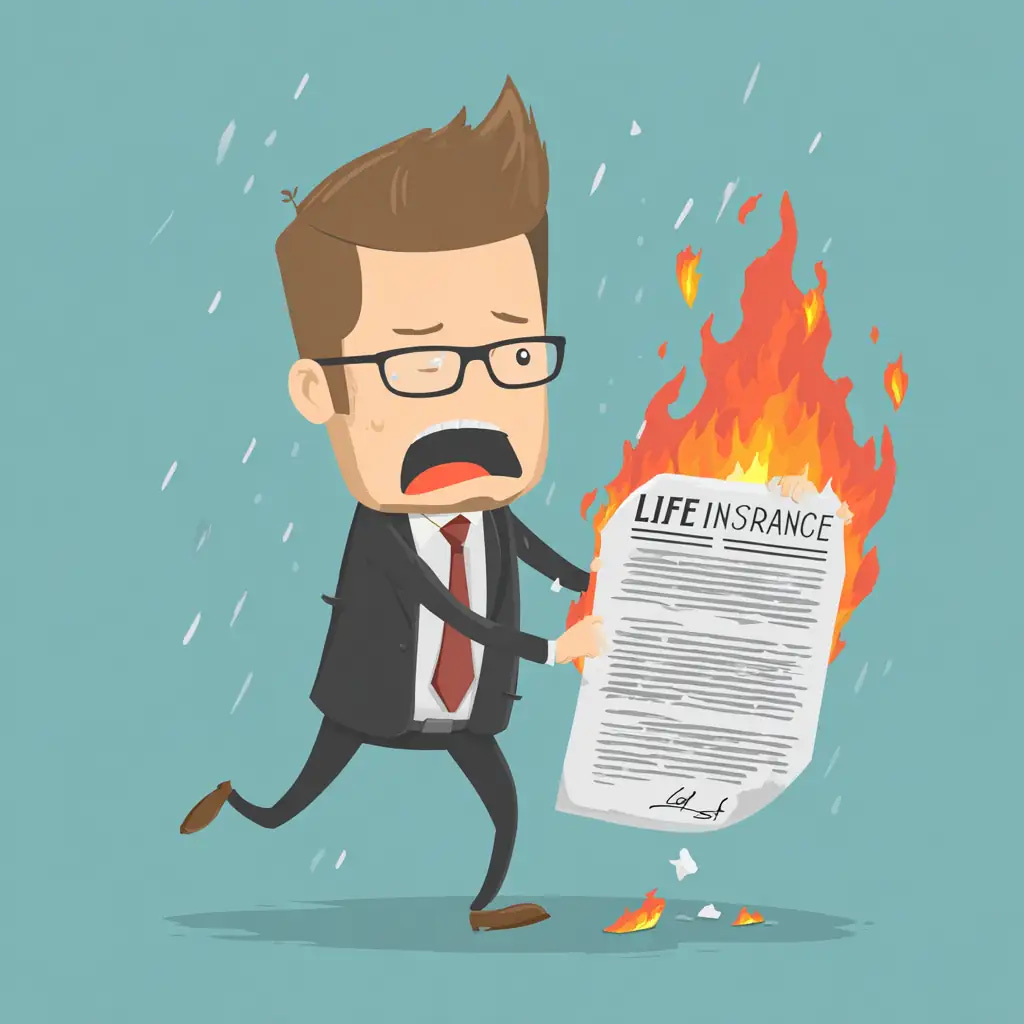
There’s an old joke in the insurance industry. It defines insurance as “something that goes away when you need it.” But it’s not always the insurance industry’s fault, sometimes it’s just hard times.
That seems to be the case now. Financial pressures from persistent global inflation are forcing households to make difficult choices about insurance coverage, with new data revealing an alarming trend of cancellations across multiple insurance sectors.
A 2024 survey by GlobalData shows that 49.5% of customers who canceled motor insurance cited the cost-of-living crisis as their primary reason, while 45% of customers across all insurance lines blamed inflation for their decision to drop coverage.
The situation is likely even more bleak in the U.S., although it’s a bit too soon for studies to pick up the results of the government’s DOGE cutbacks, the government shutdown and the Trump administration’s moves to defund clean energy, health research and higher education.
There are early signs of problems, though:
About 41% of Americans acknowledge they don’t have adequate life insurance coverage, according to The Motley Fool.
From a report by the American Council of Life Insurers (ACLI): Only ~50% of Americans have life insurance, and many of those that do say they would face financial hardship if the primary wage earner died.
In a survey by NerdWallet, among people considering life insurance, 27% said that not being able to afford the monthly premiums was one of their main hesitations.
Another survey showed that among those who don’t have life insurance, about 38% say the reason is they can’t afford it.
Life insurance sees significant decline
Life insurance has been particularly affected by the financial squeeze. The survey found that 16.3% of life insurance policyholders have canceled a policy in the past year, while 12.2% are considering cancellation and 21.4% are thinking about switching providers.
Payment difficulties are also widespread, with 14.6% of customers globally having missed insurance payments. Again, the problem is most severe in the United States, where 21.5% of policyholders are struggling to maintain their premium payments.
Consumer confidence dipping
It doesn’t help that consumer confidence is dipping, sinking to a five-month low in October as Americans fret over a stalling job market and stubbornly high inflation.
The University of Michigan’s preliminary October sentiment index, released Friday, shows consumer sentiment fell 0.1% on a monthly basis, from 55.1 points in September to 55. While the drop was nominal, it represents the third consecutive month the confidence measure, which is closely watched by investors, has declined.
Americans remain concerned about high prices, with expectations for inflation over the next year still hovering at elevated levels. Weakening job prospects also remain top of mind for Americans, Joanne Hsu, director of the Surveys of Consumers at U. of Michigan, said in a statement.
“At this time, consumers do not expect meaningful improvement in these factors,” she said.
Short-term relief, long-term risk
Carlton Crabbe, finance and insurance expert at global financial advisory firm Capital for Life, said insurance is often viewed as non-essential because its benefits are not immediate. When faced with higher bills for necessities, consumers may see premiums as flexible spending that can be paused or eliminated.
“This mindset, while understandable, carries long-term consequences,” Crabbe said. “For many families, canceling or reducing coverage provides short-term relief but creates greater vulnerability in the long run.”
Without adequate protection, unexpected illness, accidents or income loss can have devastating financial effects, he noted.
Options for struggling policyholders
Crabbe emphasized that maintaining some form of coverage is almost always preferable to losing it entirely. Financial advisors can help clients adjust their policies, restructure payments or explore flexible coverage options that keep them protected through difficult periods.
Capital for Life recommends that struggling policyholders review existing policies to identify areas where coverage can be adjusted without eliminating key protections, explore flexible payment options or revised schedules offered by many insurers, and seek professional guidance to balance short-term affordability with long-term security.
The firm warns that the trend could leave millions without vital protection when they need it most as the global cost-of-living crisis continues to strain household budgets.