


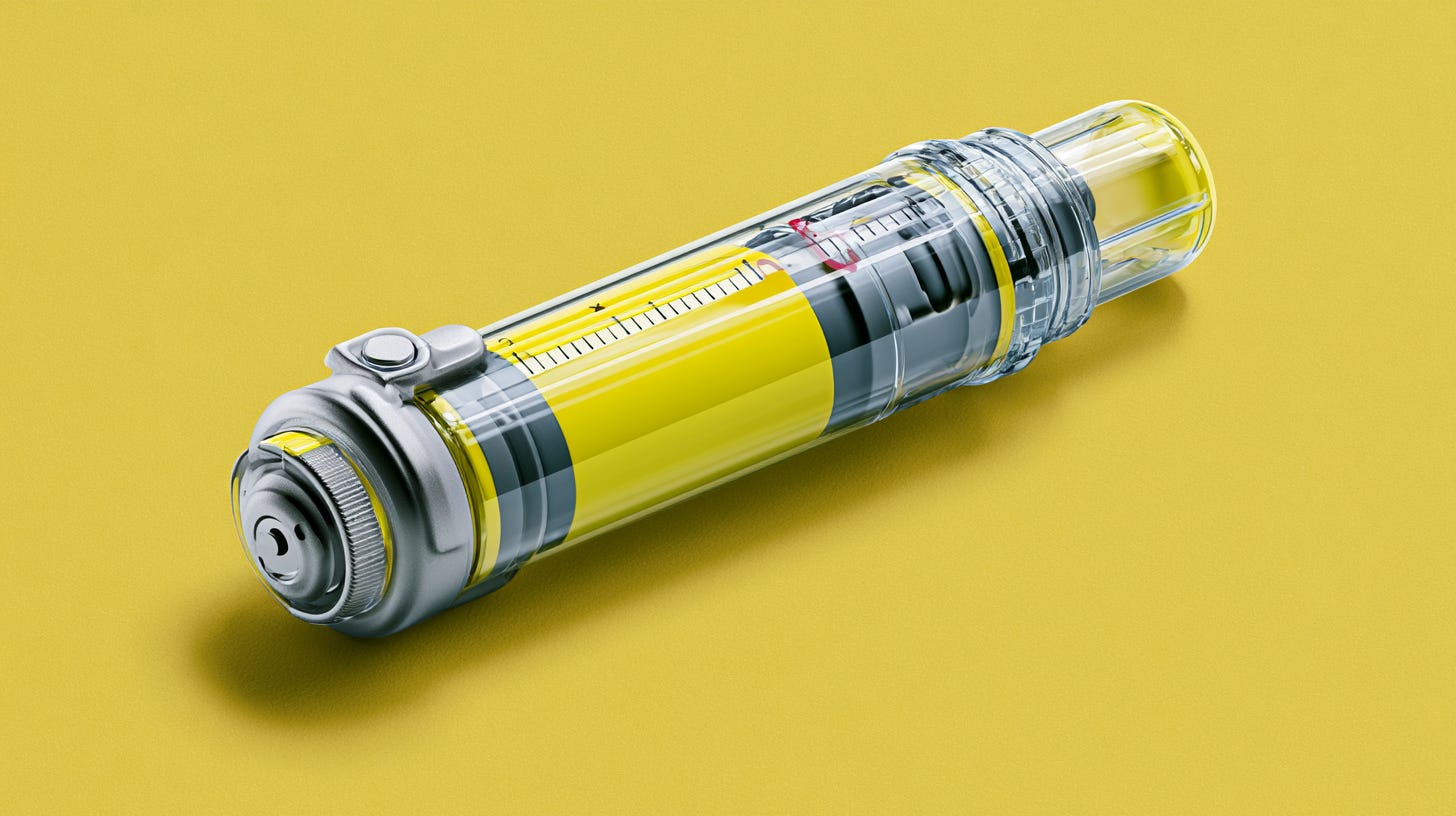
Fatal delays in administering epinephrine auto-injectors such as EpiPens are emerging as a leading preventable factor in pediatric food-allergy deaths, according to new research that warns the window to save a child suffering anaphylaxis can be as short as 14 minutes.
Two studies from the University of Bristol and Bristol Children’s Hospital, presented at the Royal College of Emergency Medicine Conference and published in Clinical & Experimental Allergy, found that in nearly three-quarters of fatal pediatric food-anaphylaxis cases reviewed, children received either no epinephrine at all or only a single dose before going into cardiac arrest. In every case, the child collapsed before reaching a hospital.
Researchers analyzed records from the United Kingdom’s National Childhood Mortality Database covering 19 children who died from food-induced anaphylaxis between 2019 and 2023. The findings, they say, expose a dangerous gap between current emergency guidance and the way children actually die from severe allergic reactions.
A 14-minute window
The average time from the first symptom of anaphylaxis to cardiac arrest was just 14 minutes in the 12 cases where data was available, the researchers reported. In 37 percent of deaths — seven of the 19 children — the child did not have an auto-injector with them when the reaction began. In one additional case, only a single device was on hand, preventing a critical second dose from being given, according to Medical Xpress.
Adolescents bore the heaviest toll. Nearly 90 percent of the deaths occurred in children aged 10 to 17, with 47 percent in the 15-to-17 age bracket. Sixty-eight percent of the children who died were male. All had been diagnosed with both asthma and food allergy, and 17 of the 19 had been prescribed an auto-injector — but possessing a prescription, the data show, is not the same as carrying the device.
Cow’s milk was the responsible allergen in 38 percent of cases, followed by tree nuts or peanuts in 32 percent and egg in one case. In about a third of cases, multiple possible allergens were involved and the trigger could not be definitively identified.
“Anaphylaxis from a food allergy is a life-threatening emergency requiring immediate adrenaline,” said Dr. Tom Roberts, an A&E clinician at North Bristol NHS Trust and co-author of the research. “Our research reveals that in many cases, children did not receive enough adrenaline before cardiac arrest, and some didn’t carry an [auto-injector] at all.
“There is a very short window of time, often just minutes, in which appropriate treatment can potentially alter the clinical course of these events. Delays in delivering adrenaline treatment, which sometimes may require more than one dose, can have fatal consequences,” Roberts said.
Rethinking what kills
A second study by the same team analyzed the timeline of 17 fatal cases in which the failing organ system could be identified. In all but one, lung failure — not heart failure — was the primary cause of death.
That finding cuts against the grain of current NHS emergency protocols, which emphasize circulatory collapse, the researchers said. They are calling for guidance that reorients prehospital and in-hospital care around airway and breathing management when food is the trigger.
“Our research also found that airway and breathing problems were the most common causes of fatal food-related anaphylaxis in children,” said Dr. John Coveney, the lead author from Bristol Children’s Hospital. “NHS guidelines currently focus on heart and circulatory failure in emergency management. Our findings suggest that the focus should be on breathing issues, which were by far the most frequent cause of death in the cases we analyzed. Circulatory problems without breathing issues were rare, indicating that updated guidelines should prioritize airway and breathing management in these critical situations.”
The pattern matches results from Australia, where Dr. Ben McKenzie, an emergency physician at the University of Melbourne, has led parallel work after losing his own 15-year-old son to food anaphylaxis. “This UK research confirms our Australian findings that fatal food anaphylaxis is driven by a closing of the airways in the lungs,” McKenzie said. “We need to promote the chain of survival in anaphylaxis — get help, give adrenaline, and for healthcare workers, get oxygen into the body as a priority.”
A growing public-health problem
Food-allergy hospital admissions in children have surged roughly 600 percent over the past two decades, according to figures cited by the researchers. In the United States, food allergies are estimated to affect about one in 13 children, or roughly two students per classroom, according to the advocacy group Food Allergy Research & Education FARE.
A systematic review published earlier this year in PMC reached similar conclusions on a global scale, identifying delayed epinephrine — defined as administration more than 30 minutes after symptom onset, or no prehospital administration at all — as one of the strongest predictors of death from anaphylaxis. The review also flagged poorly controlled asthma, peanut and cow’s-milk allergy in children, and accidental ingestion as recurring contributors to fatal outcomes.
Earlier landmark work by British allergist Richard Pumphrey, cited by the Bristol team, found that the median time from symptom onset to respiratory or cardiac arrest in food-induced anaphylaxis is about 30 minutes — short, but still longer than the 14-minute average seen in the new pediatric series, suggesting children may decline even faster than adults.
Cost and access remain barriers. The wholesale list price of a two-pack of branded EpiPens in the United States hovers around $700, although authorized generics and competing devices have lowered out-of-pocket costs for some families.
Advocacy groups have repeatedly pushed for expanded school stocking laws, broader insurance coverage and the development of needle-free alternatives. The U.S. Food and Drug Administration in 2024 approved neffy, a needle-free epinephrine nasal spray, as the first non-injectable option for anaphylaxis — a development clinicians hope will lower the threshold for prompt treatment.
What parents can do
The Bristol researchers and outside experts say the lessons are unambiguous: epinephrine must be given at the first sign of a severe reaction, not held in reserve; children at risk should always carry two doses; and caregivers, schools and bystanders need to be trained — and willing — to use the devices without hesitation.
“If your child has food allergies or is allergic to insect venom or an environmental allergen such as latex, do not let them out of the house unless they carry two doses of epinephrine and have been trained on how and when to use them,” SnackSafely.com publisher Dave Bloom wrote in summarizing the findings. “Their life depends on it.”