

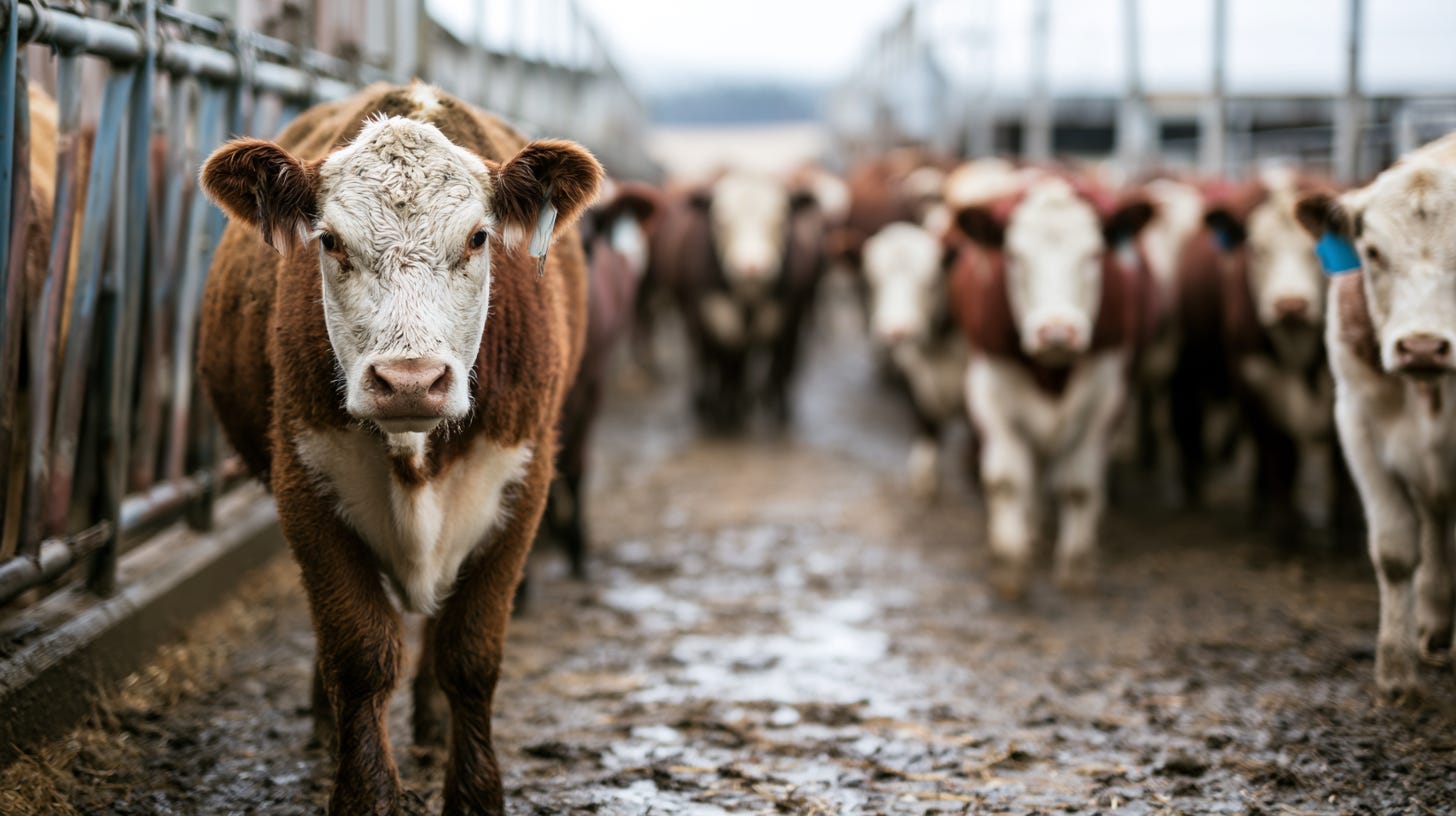
The U.S. Department of Justice has reportedly escalated its scrutiny of the beef industry into a criminal antitrust investigation, a major development that could intensify pressure on some of the country’s largest meatpacking companies as consumers grapple with record-high beef prices.
According to a report by The Wall Street Journal, the DOJ’s antitrust division is conducting a criminal investigation into the conduct of major meatpackers, including companies that dominate the U.S. beef-processing market.
The companies reportedly under scrutiny include:
Tyson Foods
Cargill
JBS USA
National Beef Packing Company
Together, the firms process roughly 85% of U.S. grain-fed cattle used for supermarket beef products, according to Reuters.
Why consumers should care
For many households, beef has become one of the most painful symbols of food inflation.
Ground beef, steaks and other meat products have surged in price over the past several years, driven by:
shrinking cattle herds
drought conditions
higher feed costs
labor shortages
export demand
supply-chain disruptions
But regulators and consumer advocates increasingly argue that market concentration and potentially anti-competitive behavior may also be playing a role.
The criminal investigation appears to center on whether large meatpackers coordinated pricing or supply decisions in ways that unlawfully inflated prices.
Criminal antitrust investigations are typically reserved for the most serious allegations, including:
price fixing
bid rigging
market allocation
collusion among competitors
No charges have been filed, and the companies involved have not been accused of wrongdoing in court.
A broader federal crackdown on food prices
The probe comes as the Trump administration has increasingly linked antitrust enforcement to consumer affordability.
President Donald Trump publicly called for an investigation into meatpackers last year, accusing “majority foreign owned meat packers” of artificially inflating beef prices, Politico reported.
The DOJ has since signaled a broader focus on food-market competition.
Earlier this month, the department reached a settlement with Agri Stats, a firm accused of helping meat producers coordinate pricing and production decisions through detailed industry reports. DOJ officials said that settlement could help lower grocery costs over time.
Under the Agri Stats agreement:
the company must limit the data it distributes
more information must be shared with buyers like grocery stores and restaurants
the firm will face years of compliance monitoring
Officials argue the changes could increase transparency and competition in meat markets.
Will grocery bills actually fall?
That remains uncertain.
Economists say beef prices are being driven by multiple overlapping factors beyond market concentration alone.
The U.S. cattle herd is currently at its lowest level since the early 1950s, according to agricultural analysts, after years of drought and elevated feed costs forced ranchers to shrink herds, according to AP News.
That supply shortage has collided with strong consumer demand, helping keep prices elevated.
Still, consumer advocates argue concentrated processing markets may worsen price pressures by giving a handful of companies enormous influence over:
cattle purchases
processing capacity
wholesale pricing
supermarket supply chains
Critics also say modern data-sharing systems and algorithmic pricing tools can allow companies to monitor competitors in ways that reduce meaningful competition even without explicit agreements.
“This is part of a broader national debate over whether concentrated industries and sophisticated data systems are quietly driving up prices for consumers,” one antitrust analyst said.
A growing focus on “algorithmic” pricing
The beef investigation is part of a larger regulatory push examining how data and pricing systems shape consumer costs.
Federal and state regulators are increasingly scrutinizing:
apartment-pricing software
ticketing algorithms
hotel pricing systems
delivery-app fees
retail dynamic pricing
agricultural market data exchanges
The concern is that modern technology may make it easier for competitors to align pricing behavior without traditional backroom collusion.
That issue has become central to a widening debate over what some regulators call “surveillance pricing” — the use of detailed market and consumer data to maximize prices.
What happens next
Criminal antitrust investigations can take months or years and do not always result in charges.
Still, the reported probe signals that the DOJ is treating grocery affordability and food-market concentration as major enforcement priorities.
For consumers frustrated by stubbornly high meat prices, the investigation may offer hope that regulators are taking a closer look at how prices are set throughout the food supply chain.
Whether that scrutiny ultimately translates into lower supermarket bills is another question entirely.
Data Box: Why beef prices remain high
Major drivers of beef inflation
Shrinking cattle herds
Drought and feed costs
Strong consumer demand
Industry concentration
Labor shortages
Transportation costs
Export demand
Supply-chain disruptions
Affordability Watch
Federal regulators are increasingly framing antitrust enforcement as a direct consumer-cost issue rather than a purely corporate or legal matter. The meatpacking investigation reflects a broader shift toward linking competition policy with grocery bills, household affordability and everyday consumer prices.