

Consumer advocates say shoppers may not see immediate relief because grocery inflation is also tied to supply, labor and consolidation pressures
The U.S. Department of Justice says a settlement in its antitrust case against agricultural data firm Agri Stats could help reduce grocery prices for American consumers — but experts caution that any savings at the supermarket are likely to emerge slowly, if at all.
The case centers on allegations that Agri Stats helped major meat producers coordinate pricing and production decisions by distributing highly detailed, non-public market information across the industry.
Federal regulators and six states argued the company’s data-sharing system allowed competing meat processors to monitor one another’s:
pricing
production levels
costs
profit margins
supply decisions
The DOJ said the arrangement reduced competition and may have contributed to higher prices for consumers already struggling with years of food inflation.
“This case goes directly to kitchen-table concerns,” antitrust officials said in announcing the settlement, arguing that concentrated agricultural markets can affect the cost of everyday staples including beef, pork and poultry.
Why this matters to consumers
For millions of households, meat prices remain one of the most visible signs of inflation at the grocery store.
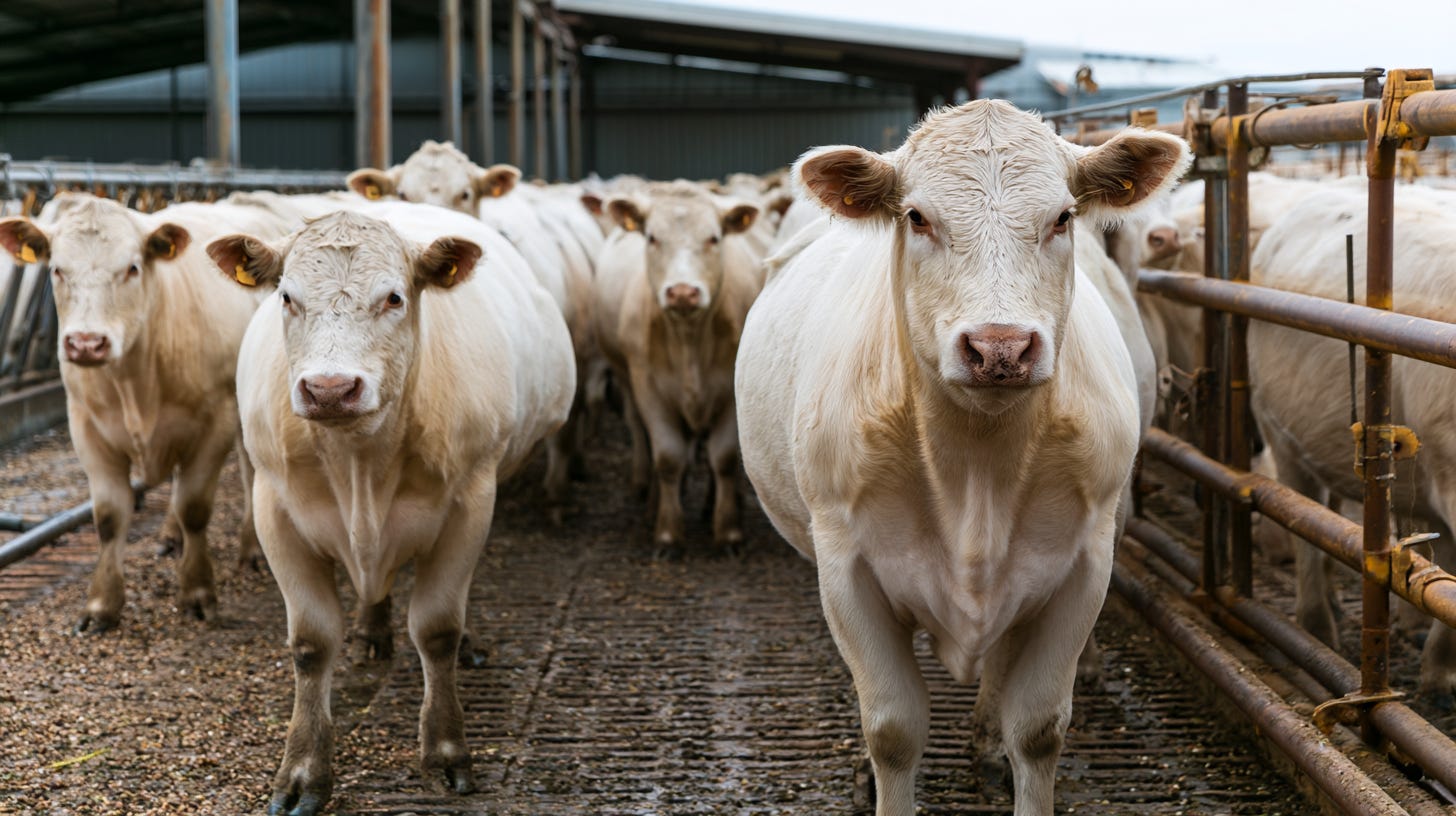
Even though overall inflation has cooled from pandemic-era highs, many shoppers continue reporting “sticker shock” in supermarket meat aisles. Beef prices in particular have remained elevated due to:
reduced cattle inventories
drought conditions
export demand
processing concentration
supply-chain disruptions
The Agri Stats case touches on a broader question that has increasingly attracted regulators: whether concentrated industries use shared data systems to quietly reduce competition without explicit price-fixing agreements.
Consumer advocates argue sophisticated data-sharing arrangements can allow companies to “signal” pricing behavior to one another, making it easier for entire industries to keep prices elevated.
“This is part of a much bigger fight over whether dominant corporations are using data to coordinate behavior in ways that hurt consumers,” said one antitrust analyst following the case.
Will grocery prices actually go down?
That is the big question — and the answer is complicated.
The DOJ argues the settlement could increase competition among meat producers over time, potentially leading to:
more aggressive pricing
expanded production
lower wholesale meat costs
In theory, increased competition could eventually flow through to grocery-store prices.
But economists and consumer groups warn consumers should not expect immediate reductions at the checkout counter.
That is because grocery prices are influenced by many overlapping factors, including:
transportation costs
feed prices
labor expenses
retailer markups
global demand
drought and weather conditions
supply-chain bottlenecks
In addition, critics say the U.S. meat industry remains highly consolidated even beyond the Agri Stats allegations.
A relatively small number of companies dominate major segments of beef, pork and poultry processing, giving large firms significant pricing power throughout the food chain.
Growing focus on “algorithmic” or data-driven pricing
The Agri Stats case is also part of a rapidly expanding national debate over data-driven pricing systems.
Regulators increasingly worry that:
real-time data sharing
algorithmic pricing tools
market-monitoring platforms
AI-assisted pricing systems
could allow competitors to coordinate behavior without traditional backroom collusion.
The issue has become a major focus for:
the United States Department of Justice
the Federal Trade Commission
state attorneys general
European regulators
Officials have recently scrutinized:
apartment-pricing software
airline pricing systems
ticketing platforms
hotel pricing algorithms
grocery and food-supply markets
The broader concern is that advanced data analytics may make it easier for companies to maintain higher prices while avoiding direct communication that would traditionally trigger antitrust violations.
What consumers should watch next
Consumer advocates say the real test will be whether regulators continue pursuing broader consolidation and pricing issues throughout the food industry.
Questions likely to shape future grocery costs include:
whether meat-processing concentration declines
whether independent producers gain market access
how aggressively regulators challenge data-sharing systems
whether retailers pass any savings through to shoppers
For now, the settlement is best viewed as part of a larger federal effort to link antitrust enforcement directly to affordability and household costs.
That approach marks a major shift from older antitrust debates that often focused more narrowly on corporate structure and market theory rather than everyday consumer prices.
Data Box: Why meat prices remain high
Major factors affecting meat prices:
Shrinking cattle herds
Drought conditions
High feed costs
Labor shortages
Export demand
Industry consolidation
Transportation costs
Retail markups
Affordability Watch
Even if wholesale competition improves, consumers may not see lower grocery bills immediately. Analysts say supermarkets and processors often adjust prices slowly — especially in concentrated industries where a handful of firms dominate supply chains.