


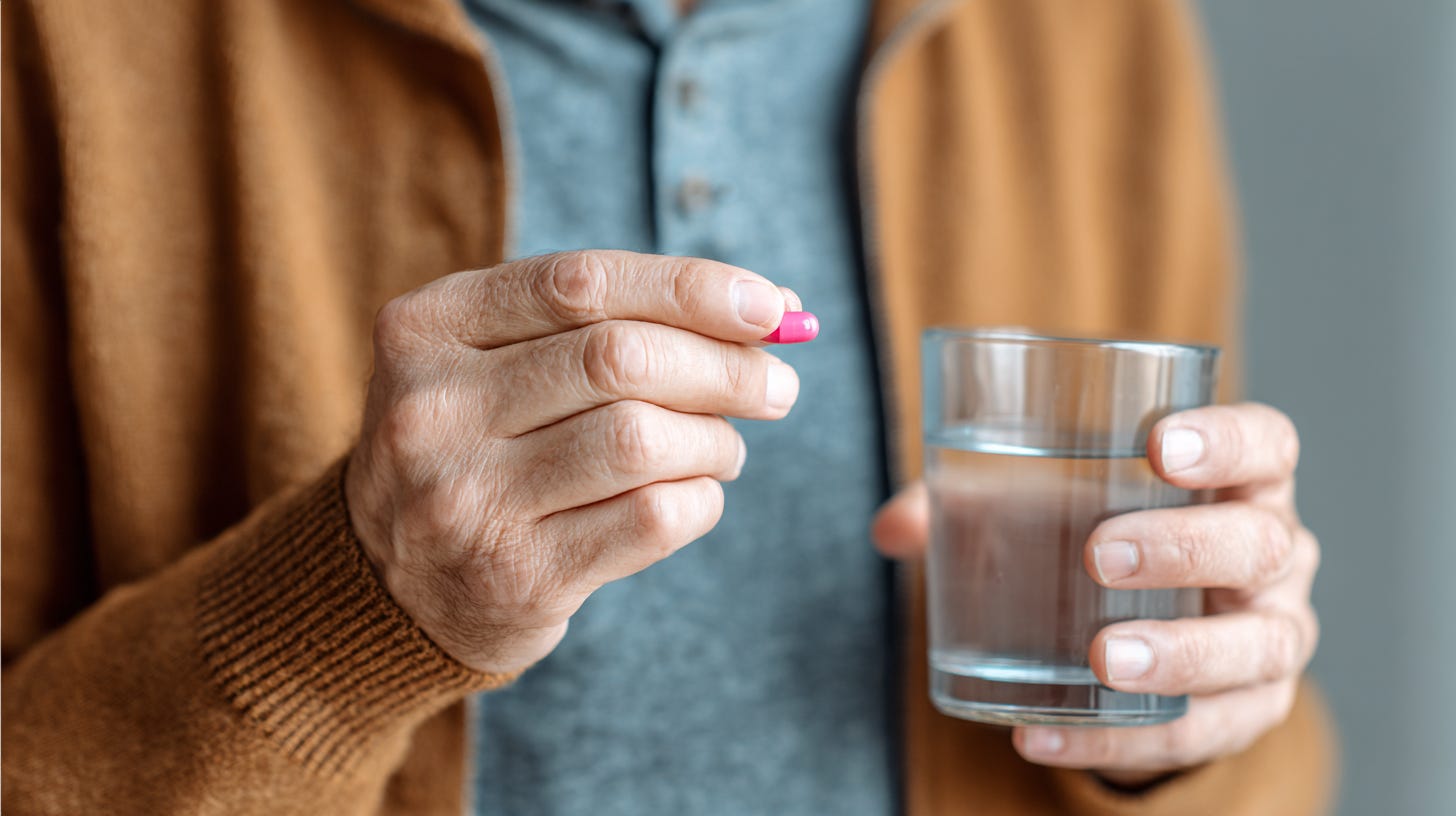
Gabapentin and similar drugs are increasingly popular for pain relief but a new study finds that consumers taking them face a much greater risk of drug poisoning if they are also taking another medication.
Gabapentinoids — drugs such as gabapentin and pregabalin — are widely prescribed for conditions such as epilepsy, nerve pain, and anxiety disorders, and are increasingly prescribed for pain relief as an alternative to opioids.
The study by researchers at University College London (UCL) found that among people taking gabapentin and other gabapentinoids, adding benzodiazepines was associated with a doubling in the risk of hospitalization for drug poisoning, while adding opioids was associated with a 30% increase in risk.
The research revealed that gabapentinoids are often started as medication during periods of already heightened vulnerability to drug poisoning, which may be when someone is experiencing worsening symptoms and is seeking out additional medications.
The researchers found that the risk of poisoning can subside after someone starts taking gabapentinoids, but the elevated risk can persist for months.
Growing in popularity despite risk
Gabapentinoids are now the seventh most commonly prescribed medication in the US, and a previous UCL study reported that across 65 countries, their usage increased by more than fourfold from 2008 to 2018.
The authors say their findings suggest that clinicians should exercise more caution in prescribing gabapentinoids, and should be particularly vigilant around the risks of prescribing them alongside other medications.
“Prescription rates for gabapentinoids have been increasing rapidly in recent years, as they are seen as a safe alternative to opioids. While they can be effective for pain relief and do have better perceived safety profiles than opioids, there are still substantial risks that clinicians and patients should be mindful of,” said lead author Dr. Kenneth Man of the UCL School of Pharmacy.
The researchers reviewed data from people who had been prescribed a gabapentinoid between 2010 and 2020 in the UK, and searched for cases of hospitalizations for drug poisoning both before, during or after prescription of a gabapentinoid, while also reviewing what other medications people had been prescribed.
They focused their analysis on 16,827 people who had had at least one drug poisoning hospitalization, which constituted just under 2% of the entire group of people who had been prescribed a gabapentinoid during the study period. The analysis incorporated up to 10 years of data for each individual, so that researchers could compare drug poisoning risks to times when the same person was not being prescribed a gabapentinoid.
The researchers included a range of different types of poisoning cases, both intentional and accidental, without excluding those who were taking more than the prescribed dosage or otherwise misusing a medication. Symptoms of drug poisoning may at times include loss of consciousness, breathing difficulties or seizures.
A risky combination
The researchers found that people taking both a gabapentinoid and a benzodiazepine were four times more likely to be hospitalized with drug poisoning in the four weeks after starting gabapentinoid treatment, in comparison to when they were taking neither drug. Gabapentinoid combined with an opioid doubled the poisoning risk in the first four weeks, relative to taking neither drug.
Study participants were frequently taking gabapentinoids alongside other prescribed medications, with 89% taking them alongside opioids at some point in the study period, and 55% taking them alongside benzodiazepines for at least some time.
The highest risk of drug poisoning was found in the 90 days before the study participants began taking gabapentinoids, suggesting the prescription of gabapentinoids may sometimes have been linked to concerns about the effects of other medications.
The study’s first author, Dr Andrew Yuen (UCL School of Pharmacy), explained: “A clinician’s decision to prescribe gabapentinoids may sometimes be an attempt to minimize the risk of drug poisoning linked to opioids or other medications.
“While the risk of poisoning did decrease somewhat after patients began gabapentinoid treatment, they still faced an elevated risk of drug poisoning, which suggests that clinicians need to remain vigilant to the risks.”
The researchers say that it remains unclear if gabapentinoids can directly cause drug poisoning, and how that might occur, but there is evidence to suggest they might enhance the sedative effects of medications including opioids and benzodiazepines. There is also evidence of abuse potential, particularly for people with a history of substance abuse.