


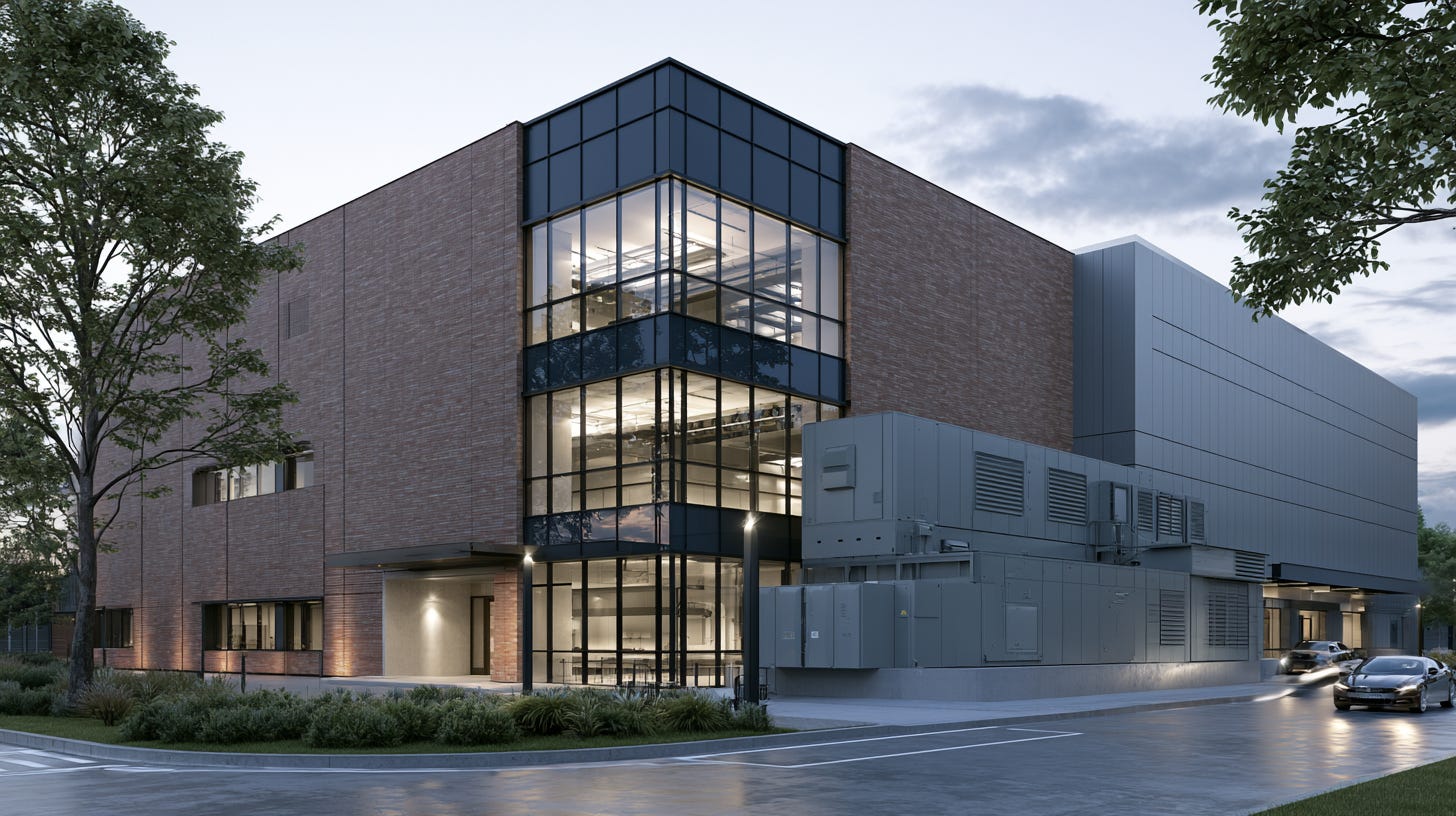
Consumer and environmental activist Erin Brockovich is asking Americans to help document what she calls the “real-world footprint” of the rapidly expanding AI data center industry.
The new website, Brockovich Data Center Reporting Project, features an interactive national map showing operational, proposed and under-construction AI data centers, along with “community reported” complaints submitted by residents.
The map already includes thousands of reports, with the largest number coming from Texas, according to the project. The site says residents are reporting concerns ranging from soaring electricity demand and heavy water use to noise pollution and pressure on local infrastructure.
“The race to build AI infrastructures is unfolding town by town across America,” Brockovich said on the site. “In some places, data centers are welcomed. In others, they are delayed, contested or abandoned altogether.”
The initiative reflects growing tension between the explosive growth of artificial intelligence and mounting community resistance to the infrastructure needed to power it.
Why consumers may care
AI systems require enormous computing power, much of it housed in massive “hyperscale” data centers packed with servers and cooling equipment.
Industry analysts say AI workloads consume far more electricity than traditional cloud computing operations, triggering concerns about whether local power grids, water supplies and utility systems can keep up.
The Brockovich site lists six primary concerns:
Energy consumption;
Water usage;
Electronic waste;
Location and disaster risks;
Infrastructure strain; and
Noise pollution.
Those concerns increasingly overlap with consumer affordability issues.
In several states, utility regulators and consumer advocates have warned that the rapid expansion of data centers could eventually contribute to higher residential electricity costs if utilities are forced to build additional generation and transmission capacity.
That debate has become especially intense in Northern Virginia — home to the world’s largest concentration of data centers — where residents and lawmakers have raised questions about land use, transmission lines, water consumption and electricity demand.
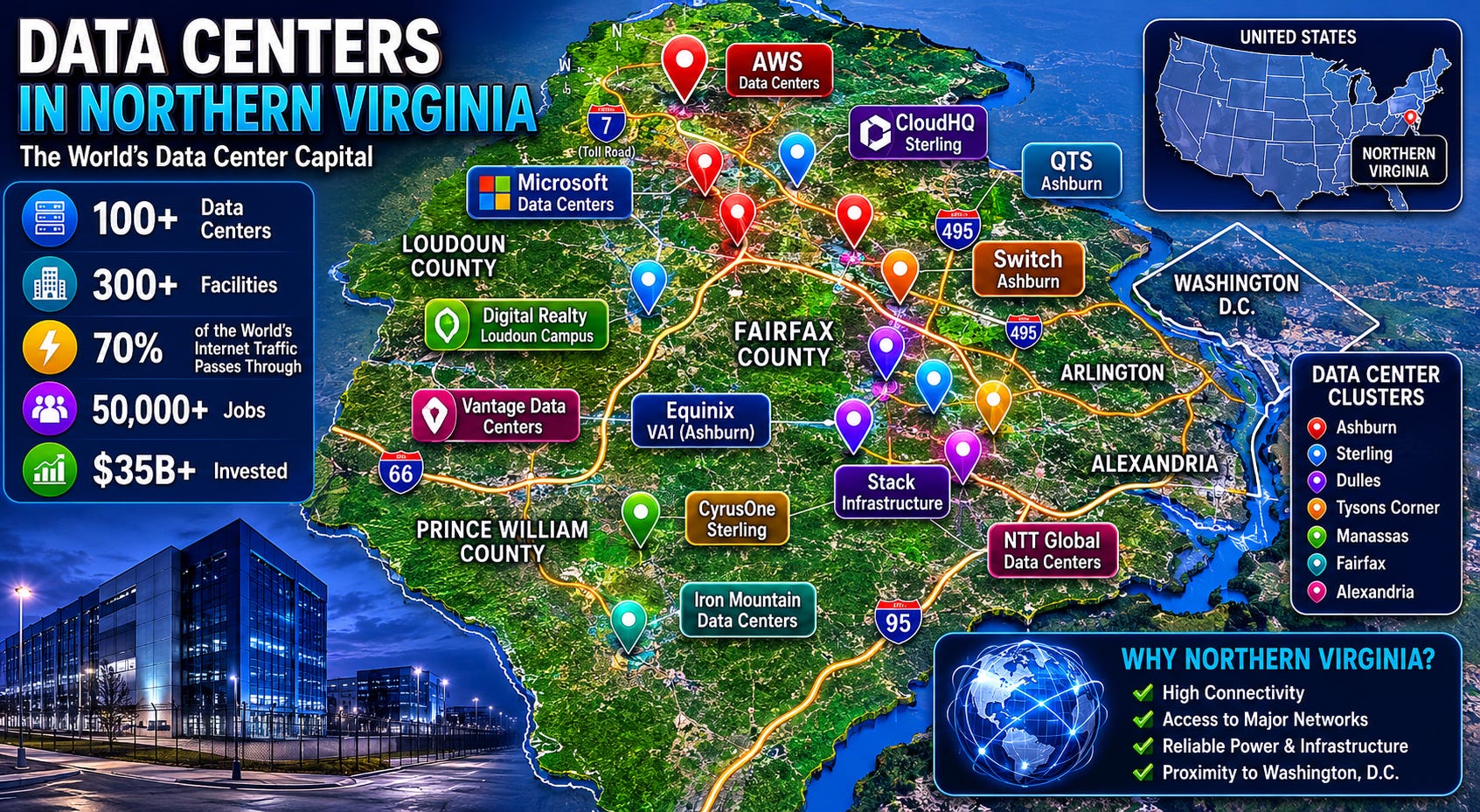
Northern Virginia is the largest data center market globally, with over 500 facilities processing an estimated 70% of the world's internet traffic. Centered around "Data Center Alley" in Loudoun, Fairfax, and Prince William counties, the region is a powerhouse for global cloud computing and AI infrastructure, to the consternation of many residents.
“Swapping human health for revenue is not a tradeoff we want to make,” Renee Grebe, the Northern Virginia conservation advocate for Nature Forward, said as a 86-acre land sale to a data center developer was approved.
Online discussion surrounding Brockovich’s map reflected those same tensions.
Some commenters on Reddit argued data centers generate relatively few long-term jobs while consuming large amounts of electricity and water. Others countered that AI infrastructure is essential to economic growth and technological competitiveness.
Communities push back
The backlash against AI infrastructure has become increasingly bipartisan.
Recent opposition campaigns have emerged in Montana, Utah, Maine, Pennsylvania and elsewhere as residents challenge proposed facilities over concerns about environmental impact, tax incentives and local quality of life.
The Brockovich project specifically encourages residents to submit local complaints and observations through an online reporting form.
The site says “self-reporting is the best way” to make information public and claims many smaller or unannounced facilities are not yet reflected on the map.
Critics on Reddit questioned some of the map’s methodology, noting that “community reported” locations may include approximate or unverified submissions.
Still, the launch reflects how quickly data centers — once largely invisible to consumers — have become a public flashpoint.
Affordability Watch
The AI boom is colliding with an already strained electric grid in many parts of the country.
Utilities nationwide are forecasting sharply rising electricity demand after years of relatively flat growth, driven largely by AI data centers, electrification and manufacturing expansion.
Consumer advocates warn that unless regulators closely scrutinize infrastructure spending, households could ultimately bear part of the cost through higher monthly electric bills.
Large AI data centers can consume as much electricity as small cities, and some also require millions of gallons of water annually for cooling operations.
What consumers can do
Consumers concerned about proposed data center projects in their communities may want to:
Monitor local zoning and utility commission hearings
Ask utilities whether residential customers could face higher rates
Review water-use and environmental impact filings
Check whether tax incentives are being offered to developers
Track proposed transmission line or substation expansions
Residents can also submit reports directly through Brockovich Data Center Reporting.