

Europe would like to fix some of the things that annoy consumers. If successful, a set of rules proposed today would make it easier to cancel subscriptions, prohibit misleading discounts, and make it easier to turn off compulsive features that feed addiction.
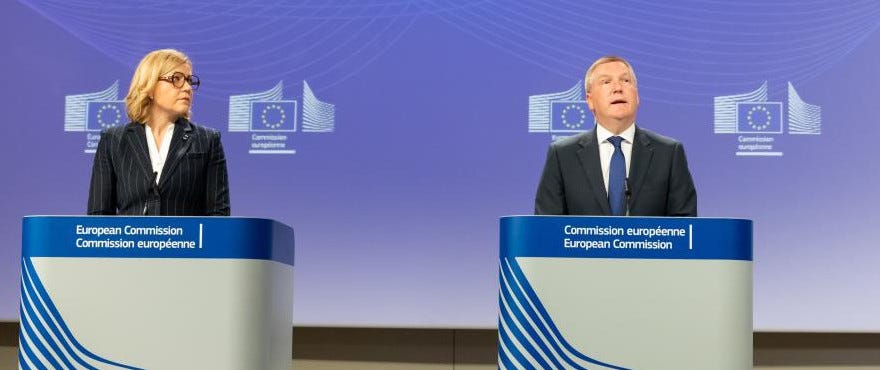
“We are tackling the new unfair commercial practices that distort consumers' choices and put pressure on them, undermining their ability to make informed choices,” said executive vice-president and EU tech commissioner Henna Virkkunen.
The Digital Fairness Act would even add some guidelines for how AI agents interact with online systems — making it harder for people using AI agents to sneak in ahead of everyone else in purchasing tickets and discounted items.
The rules proposed today are part of an effort to rein in Big Tech companies in Europe.
“Shopping has never been more convenient, but convenience must never come at the expense of fairness,” said Michael McGrath, Commissioner for Democracy, Justice, the Rule of Law and Consumer Protection. “Strong consumer protection is the foundation of competitiveness. Whether people shop online or in a physical store, they deserve the same high level of protection.”
The commission says its package would save consumers billions of pounds annually, although BusinessEurope, a lobbying organization, says overlapping rules would create compliance issues.
The proposals require approval by the European Parliament and EU member countries before taking effect.
What it would do
The EC said the Digital Fairness Act would achieve “a level playing field” for online consumers. It would include:
a ban on manipulative marketing tactics (so-called “dark patterns”) such as fake claims that a product is almost sold out that pressure us into buying things we would not buy otherwise
clear and transparent pricing. In virtual queues, companies will have to show the current price in real time and the highest possible price.
fairness by design, with the option for us to turn off addictive design features that encourage excessive or compulsive spending, such as persistent prompts
clear disclosure of influencer marketing, requiring influencers to be transparent about commercial content
a restriction on unfair personalised ads and prices that target minors
digital contracts and subscriptions that are easier to cancel and an end to unwanted automatic renewals and free trials turning into subscription traps.
The measure would also try to rein in online gambling. It would also restrict practices that encourage children to overspend in video games, including gambling-simulating “loot boxes” and mechanisms that pressure them to pay to progress.