

Ford setting records in safety recalls as software issues plague drivers
More than 20 million vehicles recalled last year - trucks most affected

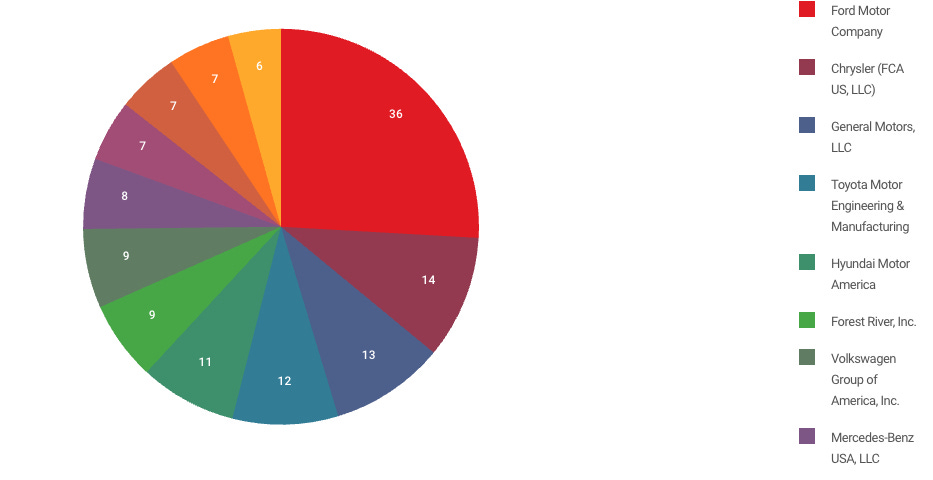
What is going on with Ford? Hardly a week goes by that there isn’t a big recall of Ford cars or trucks. The company has had 36 recalls this year, following last year’s record-breaking total of 152. Chrysler (Stellantis) has had 14, General Motors 13.
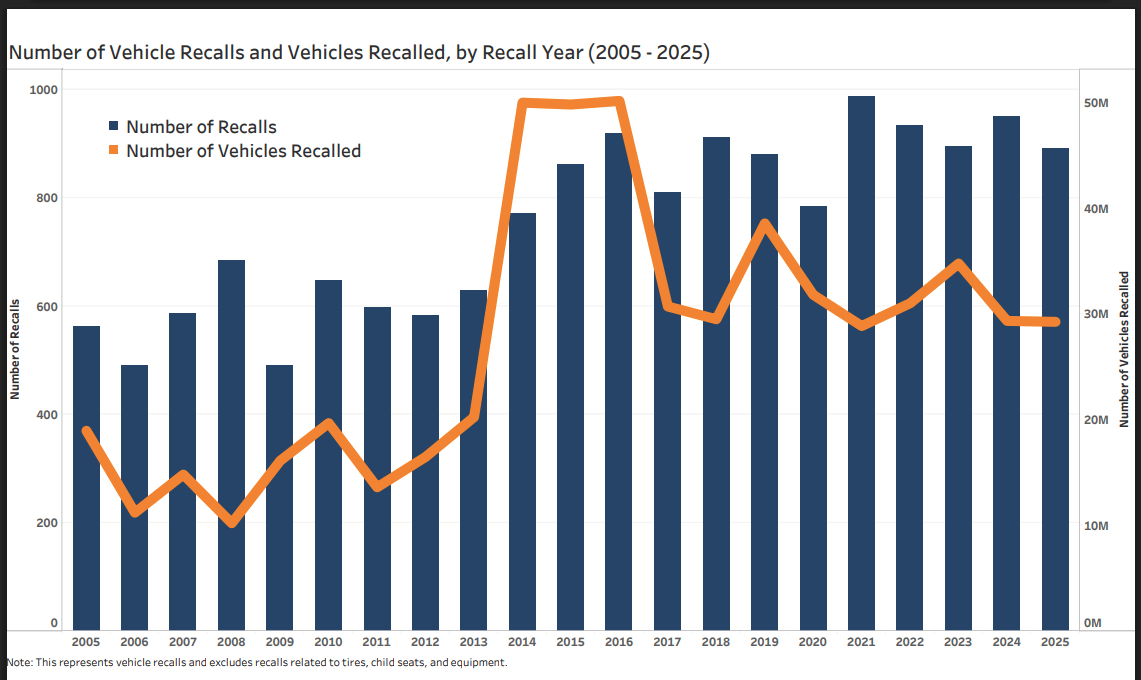
Those numbers may not sound too high but keep in mind that each recall potentially affects millions of vehicles and their owners. Ford’s 152 recalls last year, for example, affected approximately 20 million vehicles, nearly half of the total for all manufacturers.
The largest single recall was the result of a trailer brake light software defect affecting F-Series and other trucks, affecting about 4.4 million vehicles.
Some of Ford’s biggest recalls have been massive software-related actions involving millions of vehicles at once:
Rearview camera software failures affecting more than 1 million vehicles;
Trailer brake and lighting software failures affecting roughly 4.4 million trucks and SUVs; and
ADAS (Advanced Driver Assistance Systems) and camera-system failures affecting hundreds of thousands of Explorers, Navigators and Lincolns.
Ford has defended its approach, saying the volume of recalls reflects a more aggressive internal safety strategy rather than declining quality.
“The number of vehicles recalled reflects our intensive strategy to quickly find and fix hardware and software issues and go the extra mile to help protect customers,” the company told Fox Business.
Complex software driving recalls
In their defense, Ford and other manufacturers say the complex software that’s now an integral part of modern vehicles is to blame for many of the recalls. Further, they note that many recalls are now conducted over-the-air, saving consumers from a trip to the dealership.
That creates a new class of recall:
camera image freezes;
over-the-air update failures;
trailer brake communication faults;
ADAS resets; and
infotainment integration problems.
Older models often at fault
Ford executives and analysts have argued that many defects trace back to vehicles engineered between roughly 2013 and 2020, before CEO Jim Farley took over. One industry analysis estimated roughly 90% of Ford’s recent recalls originated from those older programs.
In its defense, Ford says it intentionally expanded its safety operations and became more aggressive about detecting and reporting defects before regulators forced action. The company reportedly:
doubled parts of its safety staff;
increased testing;
expanded software audits; and
tightened supplier oversight.
Ford argues the spike reflects more aggressive disclosure rather than worsening safety culture.
It also puts much of the blame on supplier-related defects:
fuel pumps;
camera modules;
seat bolts;
injectors; and
electronic control units.
The transition toward EVs and software-defined vehicles has also increased manufacturers’ dependence on outside electronics suppliers and software integration.
Big numbers, big problems
In one sense, the recall spike is partly a function of Ford’s sales success. Its bestselling vehicles — especially the F-Series pickup lineup — are produced in enormous volumes, nearly 830,000 last year. That means even a single defect can instantly affect millions of vehicles. The 4.4 million-vehicle towing-system recall is a prime example.
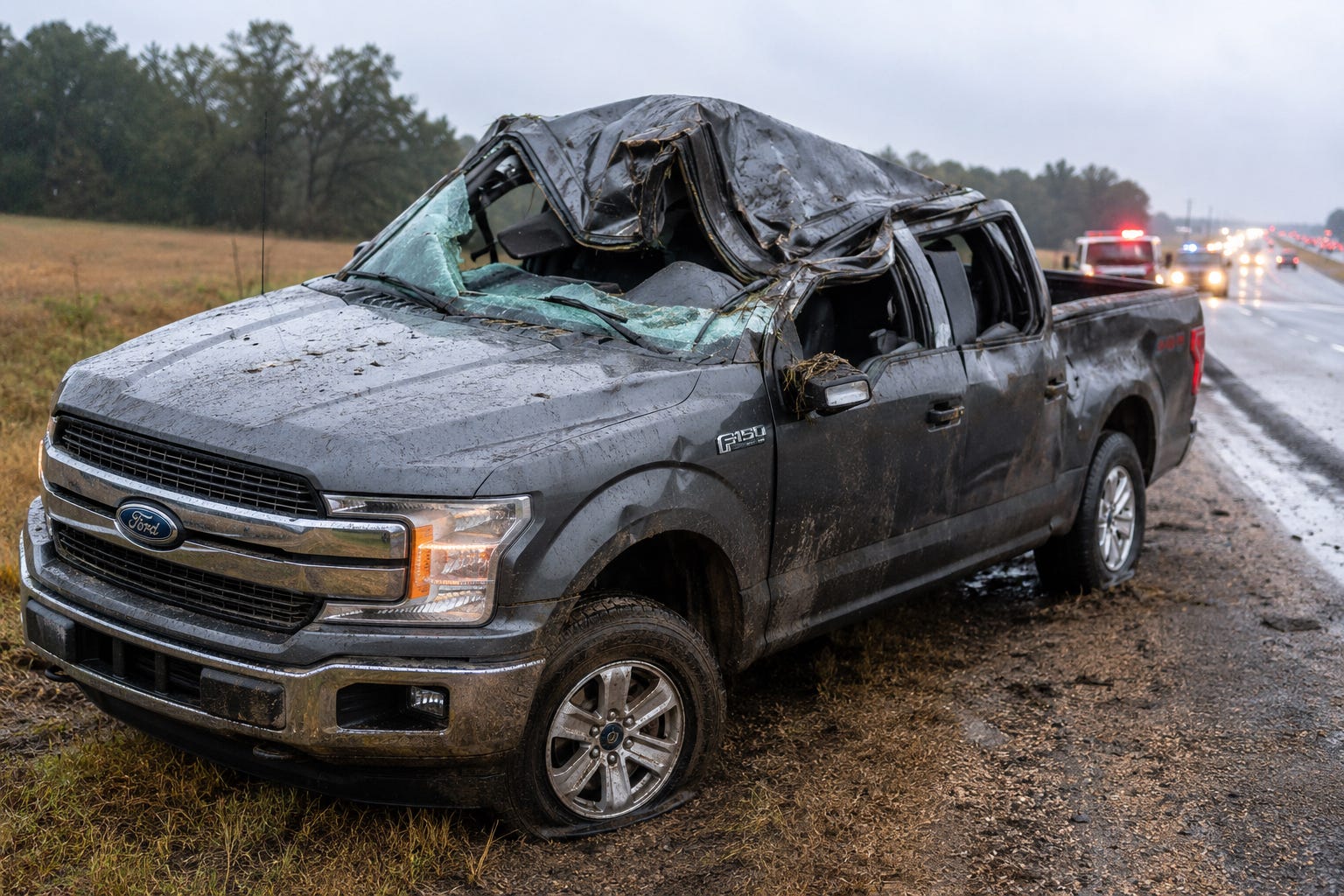
An interesting wrinkle: Ford’s extraordinarily high recall count does not necessarily mean it has the highest fatality rate or worst crash performance. The Insurance Institute for Highway Safety (IIHS) and NHTSA give recent F-150 models strong overall crash scores, including good roof-strength ratings designed to protect occupants in rollovers, although older models were faulted for roof collapses in rollovers.
Many recalls involve compliance or software-display issues rather than catastrophic mechanical failures. But consumer advocates and dealers have complained that repeated recalls damage confidence and overwhelm repair capacity.
Recall fixes often delayed
One especially important consumer issue is remedy delays. NHTSA’s latest annual recalls report noted continuing industrywide concerns about the speed at which manufacturers provide recall fixes.
The National Highway Traffic Safety Administration has repeatedly cited delays by automakers in carrying out recalls — especially when repairs require complex parts replacements, software fixes, or large-scale logistics.
According to NHTSA, manufacturers are legally required to provide a remedy “within a reasonable time,” but the agency has acknowledged that delays have become more common as vehicles become more software-driven and supply chains remain strained.
A few major reasons NHTSA and industry analysts cite for recall delays:
Parts shortages — especially airbags, electronic modules, and sensors;
Software complexity — newer recalls increasingly involve code fixes rather than simple mechanical replacements;
Dealer capacity limits — dealers may lack technicians or equipment to perform large recall campaigns quickly;
Scale of modern recalls — some campaigns affect millions of vehicles simultaneously; and
OTA transition problems — many legacy automakers still are not set up for seamless over-the-air software repairs.
NHTSA has taken enforcement action in some cases involving delayed recalls or ineffective remedies. The agency specifically cites past consent orders involving:
Hyundai Motor Company and Kia Corporation for “untimely recalls;”
FCA US LLC (Chrysler) for failing to adequately remedy defects; and
Takata Corporation over delayed defect reporting.
The Takata airbag crisis became the most prominent example. Roughly 67 million airbags were recalled in the U.S., but replacement delays stretched for years because replacement inflators simply were not available fast enough.
Software recalls
Software recalls are now another major issue. Industry analysis of NHTSA data found software-related recalls rose from about 5% historically to nearly 15% of recall incidents by 2023, affecting tens of millions of vehicles.
That trend is especially important for ADAS and automated-driving systems. For example, Waymo LLC recently recalled more than 3,000 vehicles over software that allowed robotaxis to improperly pass stopped school buses. The fix was deployed through a software update.
So, do more recalls mean more safety?
A skeptic might look at these statistics and say they’re an obvious sign of declining safety. But safety experts don’t necessarily agree.
Safety recalls are fundamentally a consumer-protection tool — they exist because regulators and automakers discovered a defect before (or sometimes after) it caused injuries or deaths. In that sense, recalls improve safety. But a sustained surge in recalls, especially repeat recalls, can also signal declining manufacturing quality, software reliability problems, or breakdowns in engineering oversight.
Ford says its spike in recalls partly reflects a “find-and-fix” strategy that expanded internal audits and defect detection. Other automakers have made similar arguments. At the same time, analysts say the current recall explosion almost certainly reflects worsening quality control in some areas — especially software integration.
Safety stats are improving, sort of
The goal of all this recall activity is to reduce deaths and injuries on the highways. Whether that’s happening is debatable.
An estimated 36,640 people died in U.S. traffic crashes in 2025, according to preliminary data from the National Highway Traffic Safety Administration. That was a 6.7% decline from 2024 and the second-lowest traffic fatality rate on record.
Raw numbers don’t tell the whole story. NHTSA said the fatality rate in 2025 fell to
1.10 deaths per 100 million vehicle miles traveled, down from 1.19 in 2024, a slight but measurable improvement.
Safety experts credit several factors:
wider adoption of ADAS safety systems;
increased seat belt use;
stronger vehicle crash protection;
more enforcement against impaired and reckless driving; and
a gradual normalization after the pandemic-era spike in dangerous driving.
So, recalls can’t take all the credit but 2025’s safety figures represent a significant improvement — though roadway deaths remain historically high compared with other wealthy countries.