

Alleged ‘bait-and-switch’ pricing; refunds could top $75M
Hidden fees, misleading prices drive settlement
Federal and state regulators say a major Mid-Atlantic dealership group misled car buyers for years with deceptively low advertised prices and costly add-ons — and now must refund consumers and overhaul its practices.
The Federal Trade Commission and the Maryland Office of the Attorney General announced a settlement with Lindsay Automotive Group and affiliated dealerships, resolving allegations that the company’s pricing tactics left buyers paying thousands more than expected.
While the total refund amount has not yet been finalized, officials said consumers were charged more than $75 million in questionable fees tied to vehicle purchases and leases between April 1, 2020, and Dec. 31, 2025.
“This settlement puts money back in Marylanders’ pockets and puts a stop to these predatory practices,” said Anthony G. Brown.
What regulators say went wrong
According to the complaint, Lindsay and its executives used a range of tactics that regulators say distorted the true cost of buying a car:
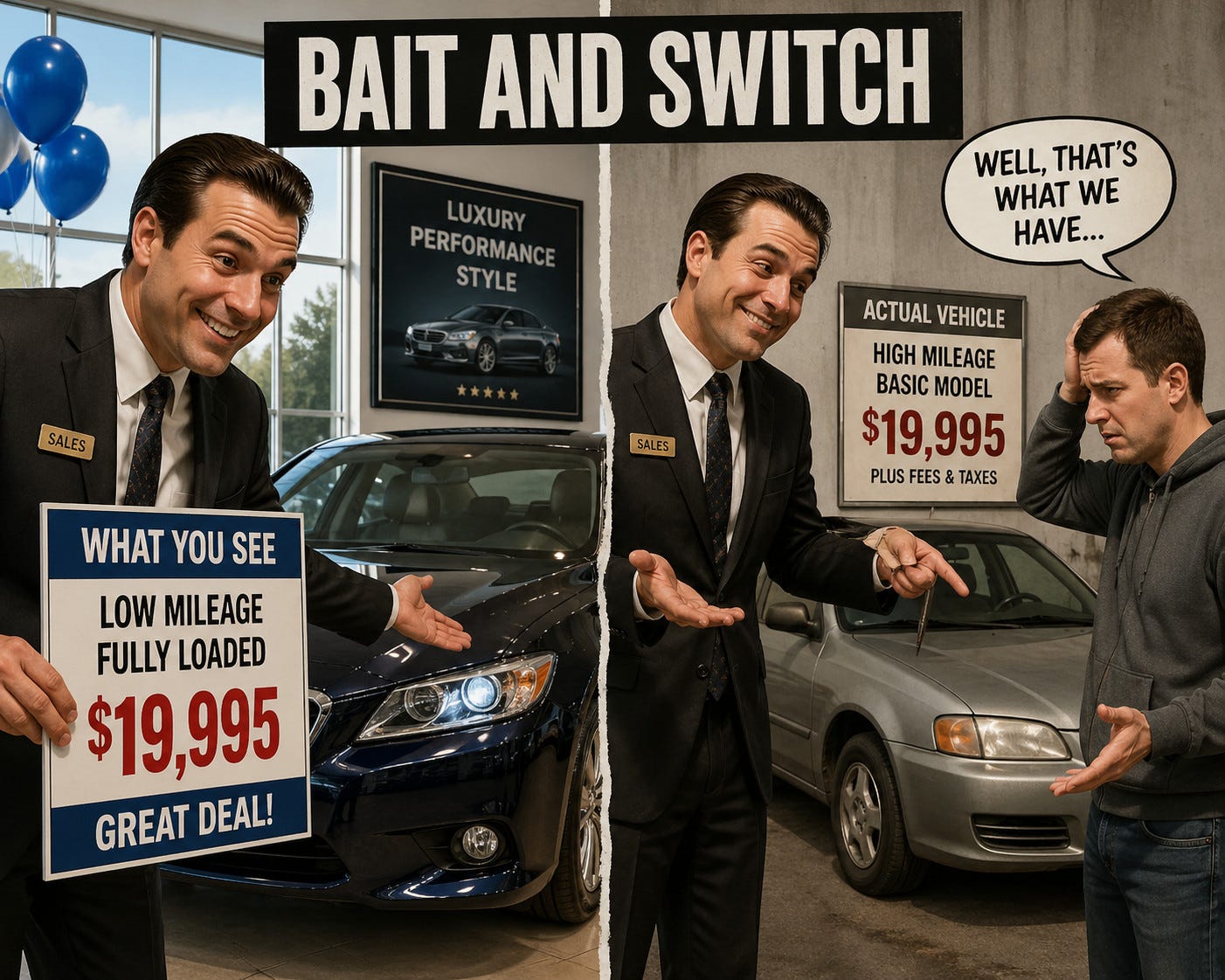
“Deceptively low” advertised prices that did not reflect what most buyers actually paid
Claims that customers didn’t qualify for advertised rebates, forcing higher prices
Pressure to finance through the dealership to access deals — even when buyers had outside financing
Charges for add-ons consumers didn’t want or didn’t agree to, including service plans and GAP coverage
Officials also said some military consumers were steered away from financing through their own credit unions.
Christopher Mufarrige, director of the FTC’s Bureau of Consumer Protection, said the practices undermined fair competition.
“Lindsay Auto misled consumers by advertising false low car prices and then adding mandatory fees and other charges during the car buying process,” he said.
What the settlement requires
Under the agreement, Lindsay must:
Provide refunds to eligible consumers (amount still to be determined)
Pay a $3.1 million civil penalty to Maryland
Clearly disclose total vehicle prices, including all mandatory fees
Obtain express, informed consent before adding any charges
Stop misrepresenting pricing, financing, or add-ons
The case names multiple dealerships, their management company, and executives including company president Michael Lindsay.
Affordability Watch: The hidden cost of ‘extras’
Auto add-ons — from extended warranties to tire protection — can quietly inflate the cost of a vehicle by hundreds or even thousands of dollars.
Consumer advocates say these extras are often:
High-margin products for dealers
Poorly explained at signing
Difficult to cancel after purchase
The FTC has repeatedly flagged add-ons as a major source of consumer harm in the auto market.
Policy gap after court blocks FTC auto rule
The case also underscores a growing regulatory gap after a federal appeals court struck down the FTC’s proposed “CARS Rule,” which would have banned many of the practices alleged in the Lindsay case, including deceptive pricing and unauthorized add-ons.
Without that rule, regulators must rely on case-by-case enforcement under the FTC Act Section 5.
In a concurring statement, FTC leadership urged Congress to restore broader authority for consumer refunds in such cases, calling for legislation that would allow the agency to more easily obtain monetary relief for harmed consumers.
What this means for car buyers
For consumers, the case is a reminder to:
Scrutinize the out-the-door price, not just advertised deals
Watch for last-minute add-ons in financing paperwork
Know you can decline extras and use outside financing
Request a full itemized breakdown before signing
Regulators say enforcement will continue — but for now, buyers remain the first line of defense against hidden fees at the dealership.