


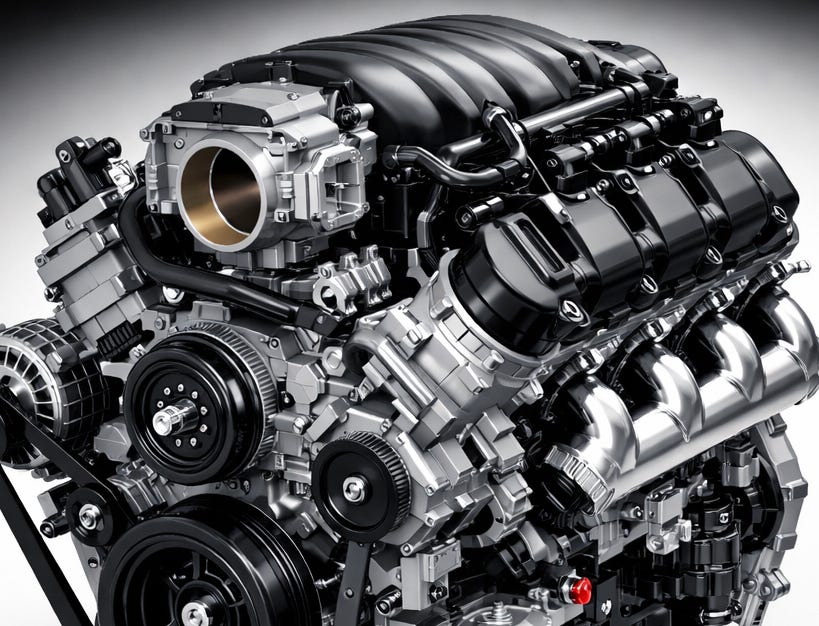
General Motors is facing a growing wave of lawsuits alleging that defective engines in certain Chevrolet and Buick vehicles can fail without warning—sometimes leaving drivers stranded or creating dangerous situations on the road.
The lawsuits, filed in federal courts across the United States, claim the automaker sold vehicles with engines prone to catastrophic failure while neglecting to warn buyers about the risks. Plaintiffs say the defects can cause sudden loss of power, expensive repair bills and potentially dangerous breakdowns.
The litigation adds to mounting scrutiny of the Detroit automaker as regulators and courts examine complaints involving multiple GM engine designs.
Allegations of catastrophic failure
According to court filings, some of the newest lawsuits focus on smaller turbocharged engines used in compact Chevrolet and Buick models. Owners claim the engines can develop internal damage that leads to sudden breakdowns or complete engine failure.
Drivers say the failures often occur with little or no warning. In some cases, vehicles allegedly stalled while in motion, leaving drivers unable to accelerate or maintain speed.
The lawsuits argue that the defect creates both safety risks and significant financial burdens for owners who may face repair bills of several thousand dollars.
Plaintiffs also claim General Motors knew—or should have known—about the problems before selling the vehicles but failed to disclose the issue to consumers.
GM has not publicly conceded that the engines are defective and has said that it stands behind its vehicles.
Larger lawsuit targets GM V-8 engines
The new cases come as General Motors is already battling a much larger legal fight involving its 6.2-liter V-8 engines used in full-size trucks and SUVs.
That litigation involves hundreds of thousands of vehicles and includes models such as the Chevrolet Silverado, Chevrolet Tahoe, Chevrolet Suburban and the Cadillac Escalade.
Drivers in those cases say their engines seized unexpectedly due to internal defects involving bearings, crankshafts or connecting rods. Some complaints describe engines failing while vehicles were traveling at highway speeds.
Federal regulators began investigating the issue after receiving more than a thousand complaints from drivers reporting engine failures and sudden loss of power.
The investigation eventually led to a large recall covering hundreds of thousands of vehicles. But plaintiffs argue the recall fix does not fully resolve the underlying problem and that owners are still being left with unreliable vehicles.
Expensive repairs and long waits
Many of the lawsuits say owners were forced to pay for costly repairs or wait months for replacement engines due to parts shortages. Replacing a modern engine can cost anywhere from $8,000 to $20,000, depending on the vehicle and labor costs.
For some drivers, the problem occurred shortly after warranties expired, leaving them responsible for the entire repair bill.
Consumer attorneys involved in the cases say the lawsuits seek compensation for repair costs, lost vehicle value and other damages. Some cases also seek buybacks or extended warranties for affected vehicles.
Pattern of auto defect litigation
Auto defect lawsuits have become increasingly common as vehicles rely on more complex engines and electronics.
In recent years automakers have faced legal battles over defective transmissions, faulty fuel systems and engines that consume excessive oil.
Consumer advocates say these cases often reveal a troubling pattern: problems that appear in owner complaints long before recalls are issued.
“When thousands of drivers report the same dangerous failure, it raises serious questions about whether manufacturers acted quickly enough,” said one attorney involved in the litigation.
The stakes for consumers
For drivers, sudden engine failure is more than an inconvenience—it can be a safety risk.
A stalled vehicle can lose power steering and power braking assistance, making it harder to control. On highways, sudden loss of power can leave drivers vulnerable to rear-end collisions.
Even when failures occur at lower speeds, they can strand families far from home and saddle owners with large repair bills.
Consumer advocates say that when defects involve core components like engines, automakers have a responsibility to act quickly and transparently.
What affected drivers should do
Owners who experience engine problems are typically advised to report them to the National Highway Traffic Safety Administration (NHTSA), which tracks defect complaints and can open safety investigations.
Drivers can also check whether their vehicles are covered by recalls or technical service bulletins issued by the manufacturer. Attorneys involved in the lawsuits say documenting repairs and keeping service records may be important if owners later seek compensation.
Litigation likely to expand
Legal experts say the lawsuits could expand as more drivers report similar problems. Auto defect cases often grow rapidly once owners realize others have experienced the same failure.
If the courts determine that a design defect exists, the cases could lead to settlements covering repair costs, extended warranties or vehicle buybacks.
For now, the litigation underscores a familiar issue in the automotive industry: when engines fail, consumers often bear the costs long before automakers acknowledge a problem.
Vehicles Named in GM Engine Lawsuits
Several lawsuits over alleged engine defects involve vehicles from General Motors’ Chevrolet, Buick, GMC and Cadillac brands. While litigation is ongoing and the exact list may expand, court filings and consumer complaints have most frequently cited the following models.
Vehicles linked to the 6.2-liter V8 engine lawsuits
These cases involve the 6.2-liter EcoTec3 V8 (L87) engine used in many of GM’s large trucks and SUVs.
Chevrolet
Chevrolet Silverado 1500
Chevrolet Tahoe
Chevrolet Suburban
GMC
GMC Sierra 1500
GMC Yukon
GMC Yukon XL
Cadillac
Cadillac Escalade
Cadillac Escalade ESV
Most affected vehicles are from model years roughly 2019 through 2024, though complaints continue to be reported.
Vehicles cited in smaller turbo-engine lawsuits
A separate lawsuit filed in 2026 alleges problems with 1.2-liter turbocharged engines used in certain compact vehicles from Chevrolet and Buick.
Models mentioned in filings include:
Chevrolet Trailblazer
Chevrolet Trax
Buick Encore GX
Plaintiffs claim the engines may suffer internal damage that can lead to sudden breakdowns or complete engine failure. Because lawsuits are ongoing, attorneys say additional models could eventually be added as more complaints surface.
Recall Watch
When engine defects appear before recalls
The lawsuits against General Motors highlight a recurring issue in the auto industry: consumer complaints often surface long before recalls are issued.
Vehicle owners typically report problems first through mechanics, dealerships and online forums. Many also file complaints with the federal safety regulator, the National Highway Traffic Safety Administration.
If enough complaints accumulate, NHTSA may open a formal defect investigation. That process can take months or even years before regulators determine whether a recall is necessary.
Consumer advocates say the timeline can leave drivers paying for repairs or driving potentially unsafe vehicles while regulators and automakers investigate.
Common warning signs of possible engine failure include:
Knocking or rattling sounds from the engine
Sudden loss of power while driving
Engine warning lights or misfire codes
Excessive oil consumption
Engine stalling or complete shutdown
Drivers experiencing these problems can report them directly to NHTSA’s Vehicle Safety Complaint system, which helps regulators track potential safety defects.
Advocates say reporting problems is critical. Many major recalls have begun with clusters of consumer complaints that revealed patterns of mechanical failure.