

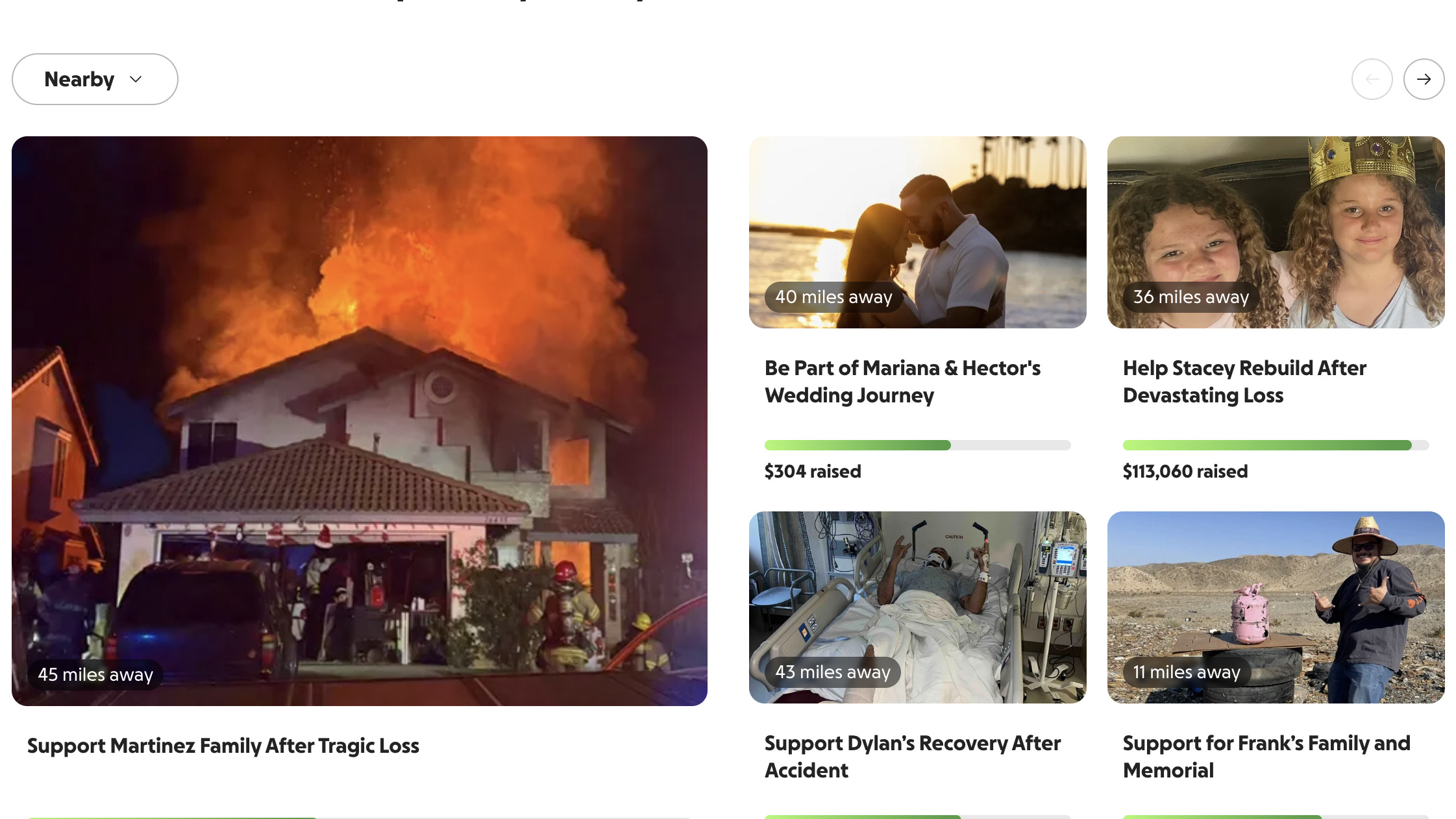
For years, Americans have responded to pleas for support of charitable causes and of individual tales of woe posted on GoFundMe. But now a coalition of state attorneys general says that more than 1.4 million of the donation pages were published without the knowledge or authorization of the affected charities.
“When Americans open their wallets to support a charity, they deserve to know exactly where their money is going,” said New York Attorney General Letitia James in a news release. “By creating fundraising pages in charities’ names without their knowledge or consent, GoFundMe misled donors and put public trust in charitable giving at risk.”
Consumer organizations have for years warned that unauthorized and uncoordinated online campaigns can siphon money away from the organizations most likely to respond to actual emergencies. “As numerous families flock to online fundraising sites such as GoFundMe to raise money for recovery efforts from the Los Angeles wildfires, the Federal Emergency Management Agency (FEMA) is warning consumers that it could impact their eligibility for assistance,” ConsumerAffairs reported last year.
In a letter to GoFundMe, the AGs demanded “clear answers and meaningful reforms to ensure charities control their own fundraising and donors are fully informed.”
James warned that GoFundMe’s actions may have violated state charitable solicitation and consumer protection laws, and the coalition has secured a guarantee from GoFundMe that the company will remove all pages created without authorization. The coalition is now demanding immediate confirmation and proof that GoFundMe has removed the unauthorized pages, changed its practices, and taken meaningful steps to protect charities and donors.
1.4 million charities
“In October 2025, GoFundMe reportedly created donation web pages for approximately 1.4 million charities across the United States without first seeking their permission. Many charities were unaware that the pages existed until after they were published and subsequently raised concerns about misuse of their names and logos, inaccurate descriptions of their work, and confusion among donors. Some organizations reported that they were unable to control how their identities and missions were presented, creating a risk of misrepresentation and donor confusion.
In their letter, James and the coalition note that some pages promoted incorrect charity information and failed to clearly disclose when donations were routed through a donor-advised fund rather than sent directly to the featured charity. In certain cases, the overall presentation of the pages may have given donors the impression that the fundraising campaigns were operated by or directly affiliated with the named charities when they were not.
GoFundMe also reportedly applied a default “tip” of approximately 16.5 percent to contributions, with that money going directly to the company rather than the charity.
SEO trickery may have diverted some donors
In addition, the company used “search engine optimization” (SEO) practices that may have caused its pages to appear above official charity websites, potentially diverting donors away from legitimate fundraising efforts, the AGs said.
Deceptive and misleading SEO techniques are often used by otherwise-legitimate businesses to surreptitiously raise their profiles in search engines, often causing searches to be redirected to impersonators or simply to vendors seeking to steal inquiries from competitors. Entire books have been written on the subject and many companies admit they spend more on deceptive SEO practices than on creating legitimate content.
Attorney General James and the coalition warn that these practices may violate state laws that require written consent before a third party may solicit funds in a charity’s name, as well as laws that prohibit deceptive or misleading conduct in charitable fundraising.
GoFundMe has acknowledged that creating fundraising webpages for charities without consent was wrong and committed to taking corrective actions, including the removal of all plagiarized pages. The AGs are demanding that the company provide proof that all unauthorized donation pages have been removed and confirm that prior written consent is now required before any charity donation page is created.
They are also seeking a detailed explanation of the company’s takedown procedures and clarification of how it has modified its SEO practices to ensure charities are not disadvantaged. The states have requested a formal response within 14 days, with additional investigative steps to follow if necessary.
Joining Attorney General James in the action are the attorneys general of California, Delaware, Illinois, Maryland, Massachusetts, Michigan, Minnesota, New Hampshire, New Jersey, New Mexico, North Carolina, Oklahoma, Oregon, Pennsylvania, Vermont, Washington, and Wisconsin and the charitable regulatory agencies of South Carolina and Tennessee.