


USDA will release $4.65 billion in emergency funds to resume partial SNAP payments after a federal court order.
The stopgap measure covers only about half of this month’s food aid, with delays expected.
The WIC program also receives $450 million to stay afloat for a few more weeks.
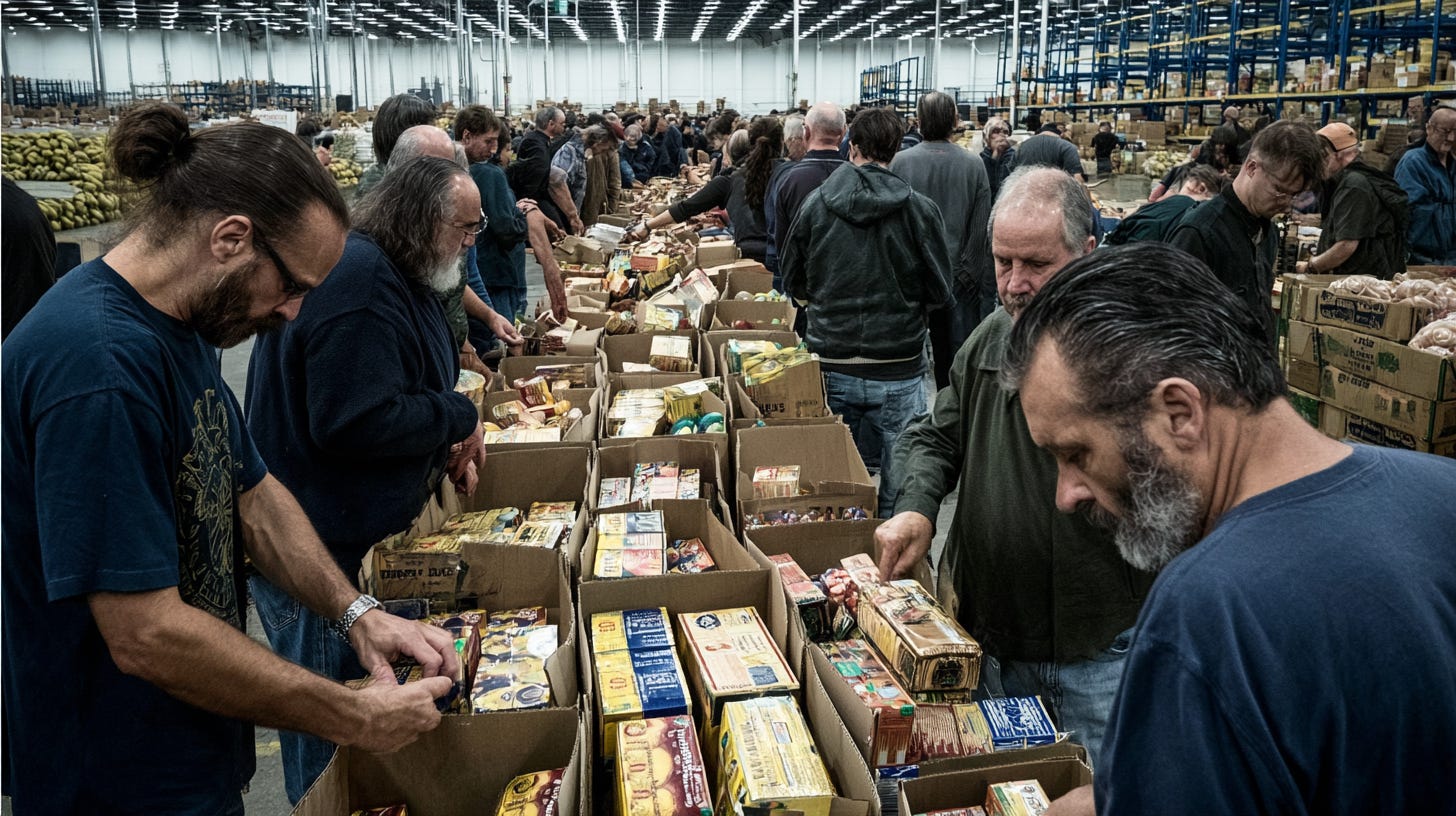
SNAP payments resume, but far short of normal
Tens of millions of Americans who rely on federal food assistance will see some relief after the U.S. Department of Agriculture said it would partially restore funding for the Supplemental Nutrition Assistance Program (SNAP).
The move follows a federal judge’s order directing the government to restart the program during the ongoing shutdown. In a court filing, the Trump administration said it would release $4.65 billion in emergency funds — roughly half the amount needed to cover this month’s $8 billion in benefits.
Some SNAP recipients will soon see payments resume, but at reduced levels, and delays could stretch for weeks. USDA officials said they would not tap additional contingency funds to make up the difference, and new applicants will remain ineligible until further notice.
WIC program gets temporary funding boost
The administration also announced $450 million in emergency funds for the Special Supplemental Nutrition Program for Women, Infants and Children (WIC), which serves about 7 million low-income mothers and children.
Earlier in the shutdown, USDA had used $300 million in reserves to keep WIC running. The new funding is expected to sustain the program for two to three more weeks, though demand could rise as families facing reduced SNAP aid turn to WIC for support.
Shutdown strains safety net programs
The partial restoration of food aid comes as other critical services for low-income families falter under the prolonged government shutdown.
Head Start centers in several states have begun closing as grant funding expires, leaving children without early education, meals, or therapy. Many working parents are now scrambling for child care.
At the same time, federal public defenders have started working without pay, raising concerns about the justice system’s ability to ensure representation for low-income defendants.
Advocates say the emergency funds may stave off a deeper food crisis for now, but warn that millions of families remain in limbo — uncertain when, or if, their full benefits will return.