


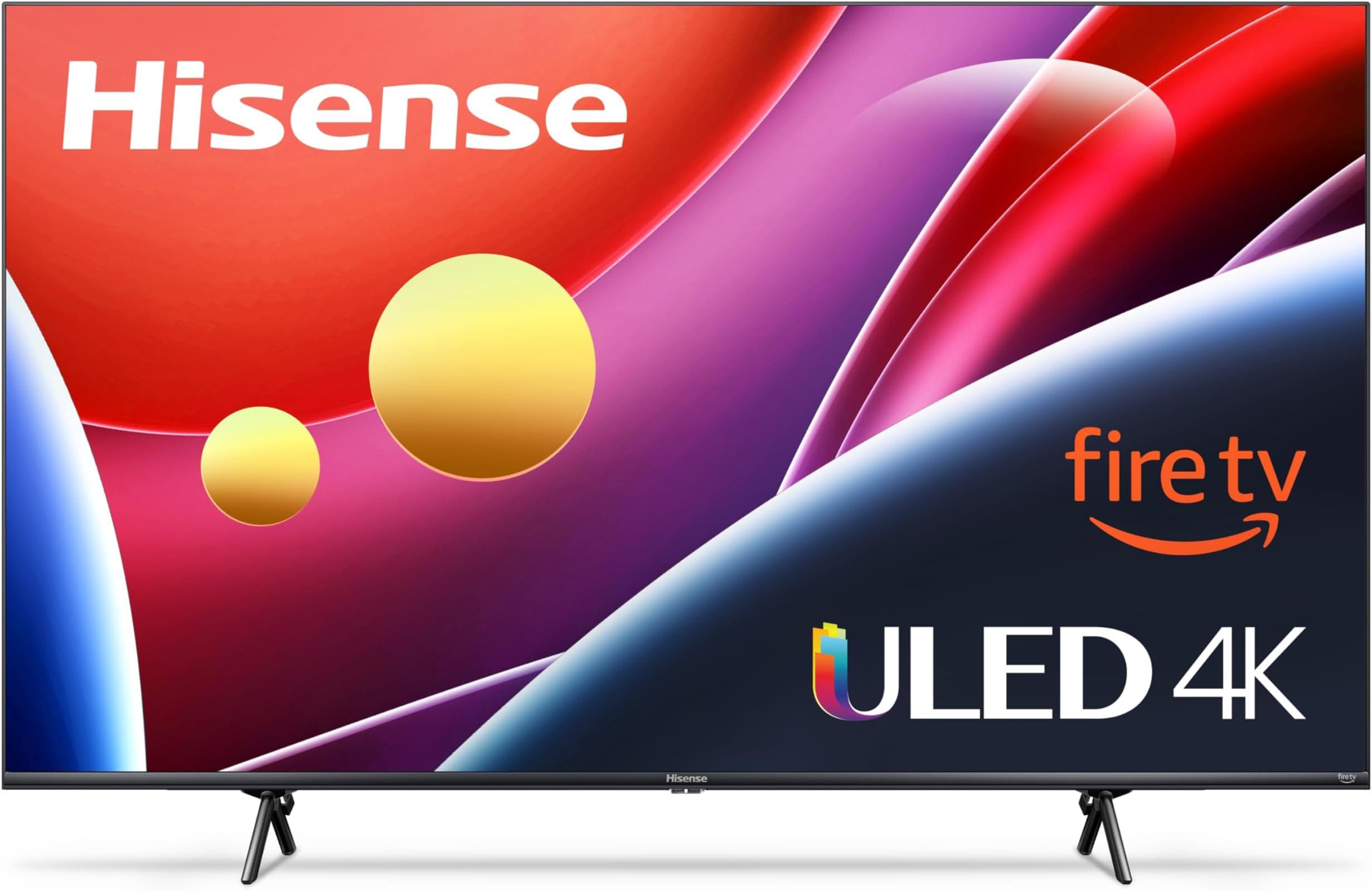
Hisense customers across multiple countries are reporting that their smart TVs have begun serving them unskippable advertisements during routine tasks — not just on the home screen, but when switching inputs, changing channels, and powering the device on.
The practice, which appears to have been introduced silently via software, has sparked significant backlash online, with the Chinese electronics brand pushing back on characterizations of wrongdoing, according to a Tom’s Hardware report.
The affected models are primarily lower-end units running Hisense’s VIDAA operating system, recently rebranded as Home OS, though at least one complaint has emerged about a Toshiba set running the same platform. VIDAA is also licensed to other brands including Schneider, Akai, and Loewe.
While the issue has gained renewed attention following recent press coverage, complaints date back at least to 2022, when a user first flagged an ad option appearing in their input selection menu. Reports have grown more frequent over time, with some users describing being forced to watch advertisements simply upon turning on their sets.
More aggressive tactic
Reports from the past two weeks document the more aggressive tactic of forcing ads when changing TV inputs. Spanish outlets El Español and La Razón also covered reports of ads being served when users simply changed channels.
The pattern of complaints cuts across borders. Most reports originate from British and Spanish users, though German-language posts with screenshots have also surfaced. The list of affected countries appears to align with nations covered under an advertising agreement between VIDAA and ad tech firm Teads.
Perhaps most telling is how the ads can apparently be removed. Users who contacted Hisense support directly — via what appears to be an Australian support email address — reported that the ads were subsequently disabled on their sets, raising questions about whether the company is managing delivery server-side and what level of access it retains over devices after purchase.
“A spot test”
Hisense has responded to the controversy with a statement that frames the advertising as a limited regional experiment. The company said the situation was “exclusive to a spot test performed in the Spanish market” designed to “evaluate certain advertising formats linked to free content within the platform itself,” and insisted that at no point did the ads prevent users from operating their devices normally — a point the statement repeated three times.
The company stated the test was temporary and has since concluded, with the advertising format removed from Spain, and reiterated its commitment to a “quality, transparent user experience.”
Critics, however, have noted that the geographic and temporal spread of the complaints is difficult to square with Hisense’s characterization of a contained, finished test. The company has not addressed why users in countries beyond Spain reported similar experiences, nor why the ads appeared to roll out to users who had all advertising-related settings disabled.
The episode is part of a broader trend of smart TV manufacturers using firmware updates to introduce revenue-generating features post-purchase — a dynamic that has drawn increasing consumer and regulatory scrutiny. A Norwegian government consumer watchdog recently called out what it termed the “enshittification” of connected devices, citing practices where product quality degrades after sale to serve commercial interests.
For now, users seeking to avoid the ads have limited options: changing the TV’s DNS settings, disconnecting it from the internet entirely, or contacting Hisense support directly. Those still shopping may want to factor the risk of future software changes into any purchase decision.
Image via Amazon