


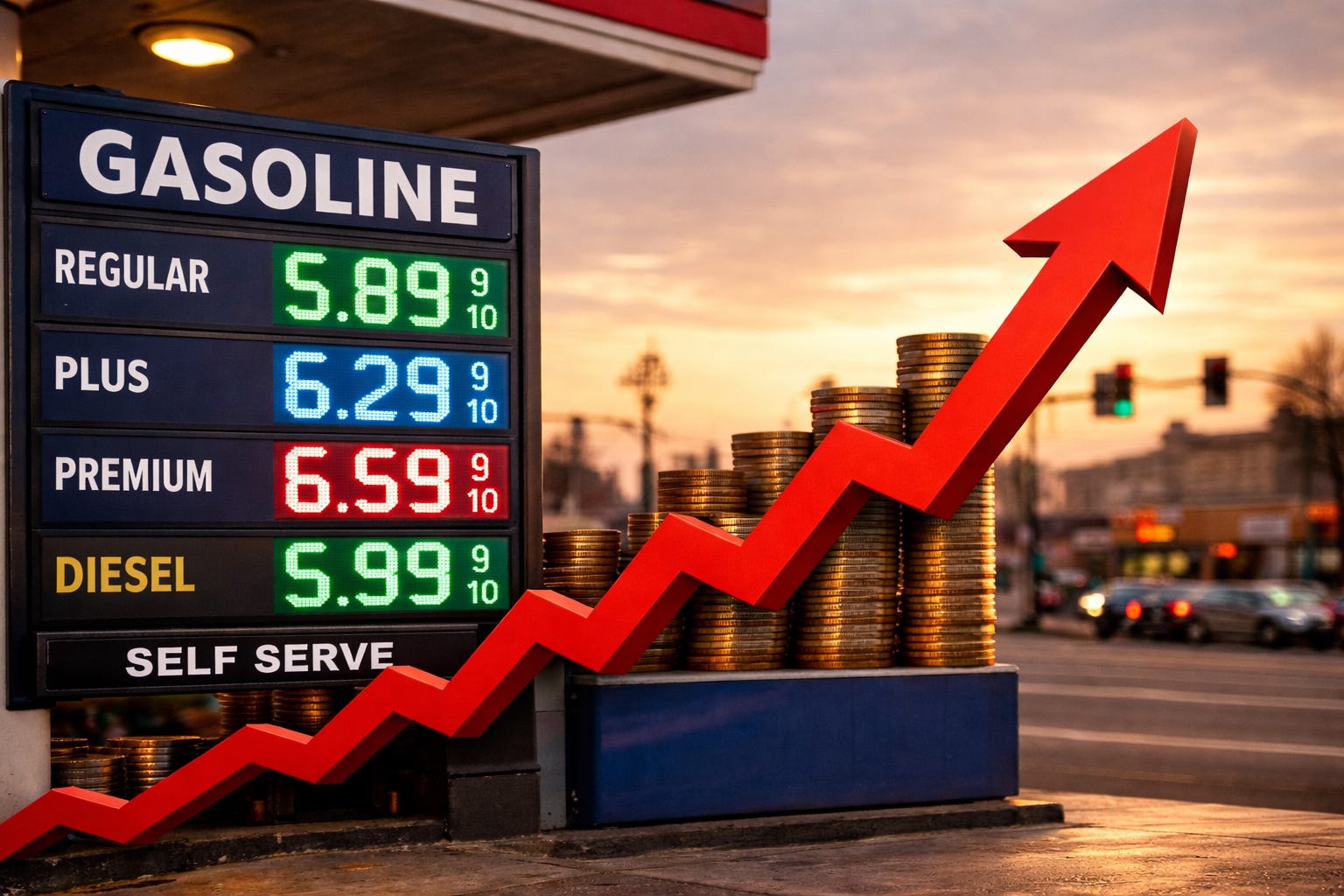
Hot times in the Middle East mean high gasoline prices in the U.S., the average per-gallon price up 27 cents and climbing. There’s no escaping it. Petroleum is a finite resource and it’s therefore volatile — its value goes up and down as world conditions dictate.
So unless you have an oil well or two and a refinery in your backyard — or an electric car — you’re going to be stuck paying more for gas at the pump for an indefinite period of time.
Let’s get this out of the way first: War is a tragic and wasteful and sorrowful enterprise and every citizen bears some responsibility for it and should not be concerned solely with its effect on the price of fuel. But, realistically, fuel is a vital element for many families and businesses and its price has a significant effect on the national economy and household budgets.
There’s nothing much any of us can do individually to reduce the world price of petroleum so we’re left with the option of using as little of the stuff as possible and, fortunately, there’s quite a bit we can do to conserve fuel.
We can drive less, take public transit, keep cars tuned and running properly and we can even drive like sensate beings who have enough intelligence not to slam the hammer down to get from one red light to another. We can also shop around for the best price and burn the appropriate grade of fuel. We’ll have more tips a bit later in this story. But first …
What NOT to do
A lot of drivers try to save fuel using advice that sounds logical but actually doesn’t help much — or can even waste gas. Here are some of the most common fuel-saving myths:
1. “Premium Gas Improves Mileage”
Unless your car requires premium fuel, buying higher-octane gasoline usually won’t improve fuel economy at all. Most vehicles are designed for regular gasoline, and premium simply costs more without delivering savings.
2. “Warming Up the Engine for Several Minutes Saves Gas”
This used to be true decades ago with carbureted engines. Modern fuel-injected engines need only about 20–30 seconds before driving. Long warm-ups burn fuel while the car sits still.
3. “Manual Transmissions Always Get Better Gas Mileage”
This also used to be true, but modern automatic and CVT transmissions are often more efficient than manuals because computers shift at optimal times and keep the engine running at its most efficient RPM.
4. “Air Conditioning Always Wastes More Gas Than Open Windows”
It depends on speed.
At low speeds: open windows usually use less fuel.
At highway speeds: open windows create drag, which can reduce efficiency more than running the A/C.
5. “Small Cars Always Use Less Fuel”
Vehicle size matters, but engine design, weight, aerodynamics, and transmission often matter more. A modern midsize hybrid may use far less fuel than an older compact car.
6. “Fuel Additives Will Dramatically Improve Mileage”
Most fuel additives provide little or no measurable improvement in fuel economy for modern engines.
7. “Driving in Neutral Downhill Saves Gas”
In modern cars, leaving the transmission in gear often uses less fuel because the engine control system can cut fuel entirely during engine braking.
8. “The Automatic Stop-Start Thing is Annoying and Wasteful”
It might be annoying but studies have found that the stop-start device found on most modern cars saves a significant amount of fuel and pollution without harming the engine. Idling is worse than the racket the process creates.
Bottom line:
The biggest fuel savers are still the basics — smooth driving, proper tire pressure, good maintenance, and moderate speeds.
How to make sure you spend more on gas
So we’ve cleared away some common myths. Now let’s say there might be someone who actually wanted to make sure they don’t save money on gas, there are plenty of tried-and-true habits that will burn through fuel quickly. Here are some of the best ways to keep your gas bill high:
1. Drive Aggressively
Rapid acceleration, hard braking, and racing between stoplights wastes fuel. Smooth driving can improve mileage by 10–30%, so if you want to avoid saving money, keep flooring the pedal.
2. Speed Everywhere
Fuel efficiency drops sharply at higher speeds. Once you get above about 60 mph, fuel economy usually falls fast. Driving 75–80 mph is a great way to burn extra gasoline.
3. Leave the Engine Idling
Waiting in the parking lot with the engine running, warming the car for long periods, or sitting in a drive-through line with the engine on will steadily consume fuel while going nowhere.
4. Ignore Tire Pressure
Under-inflated tires increase rolling resistance and reduce fuel efficiency. If you want to waste gas, never check your tire pressure.
5. Carry Around Extra Weight
Hauling unnecessary items in the trunk or bed makes the engine work harder. A vehicle loaded with tools, sports gear, or random junk is guaranteed to use more fuel.
6. Drive With Windows Down at Highway Speeds
At higher speeds, open windows create drag that forces the engine to work harder. If maximizing fuel use is the goal, skip the aerodynamics.
7. Skip Regular Maintenance
Dirty air filters, worn spark plugs, and neglected oil changes can hurt fuel economy. Ignoring maintenance is an excellent way to ensure your car runs inefficiently.
8. Use the Wrong Motor Oil
Using thicker oil than recommended increases engine friction and reduces efficiency.
9. Take Lots of Short Trips
Cold engines burn more fuel. Running several short errands with a cold engine instead of combining them into one trip wastes gasoline.
10. Keep a Roof Rack or Cargo Box On All the Time
Roof racks and cargo boxes create drag that reduces fuel efficiency—even when empty.
Cheapest cars to drive right now
Until now, we’ve been focusing mostly on driver behavior. But what if we tried to identify the cheapest cars to drive today based on fuel prices?
Well, if your goal is spending as little as possible on fuel, the best choices tend to be high-MPG hybrids and efficient compact cars. Based on EPA ratings and industry rankings, here are five of the cheapest cars to drive in America right now based largely on fuel cost per mile. (This is not an advertisement and we’re not endorsing these cars. We’re simply stating that they have the best fuel economy specifications that we could locate).
1. Toyota Prius
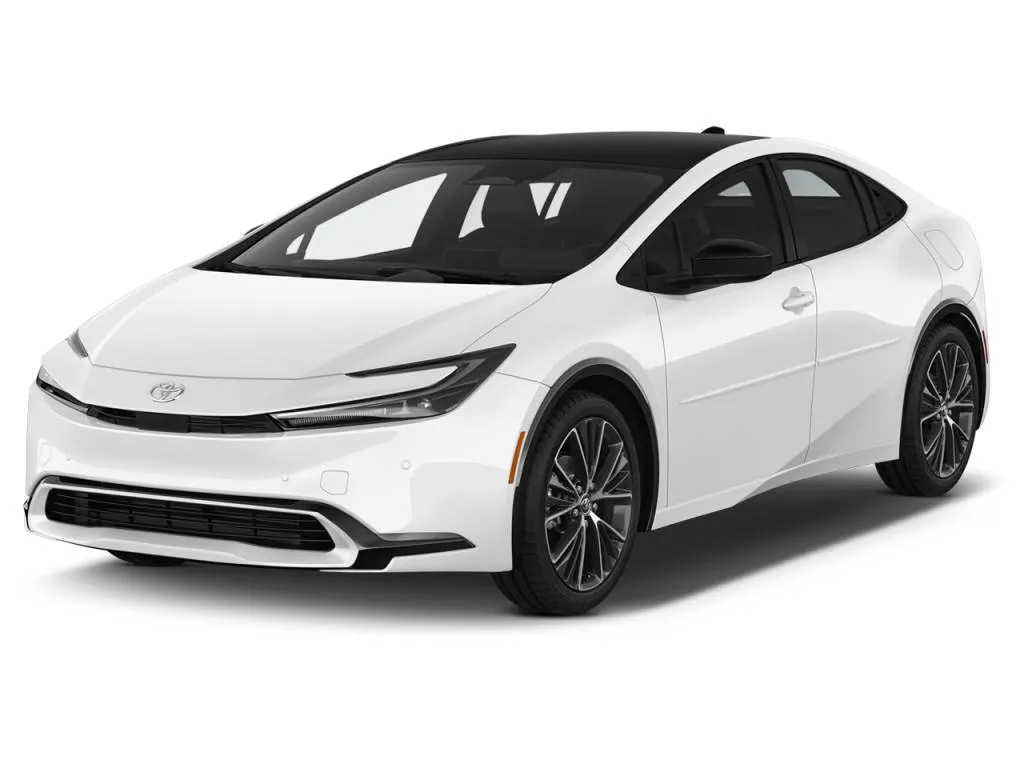
Fuel economy: about 57 mpg combined
Why it’s cheap to drive:
One of the most fuel-efficient gasoline vehicles sold in the U.S.
Proven hybrid system refined over decades
Excellent reliability and resale value
The Prius remains the benchmark for fuel economy among conventional hybrids, with roughly 57 mpg combined depending on trim.
Typical fuel cost: among the lowest per mile of any gas-powered car, according to Quantrell For Life..
2. Hyundai Elantra Hybrid
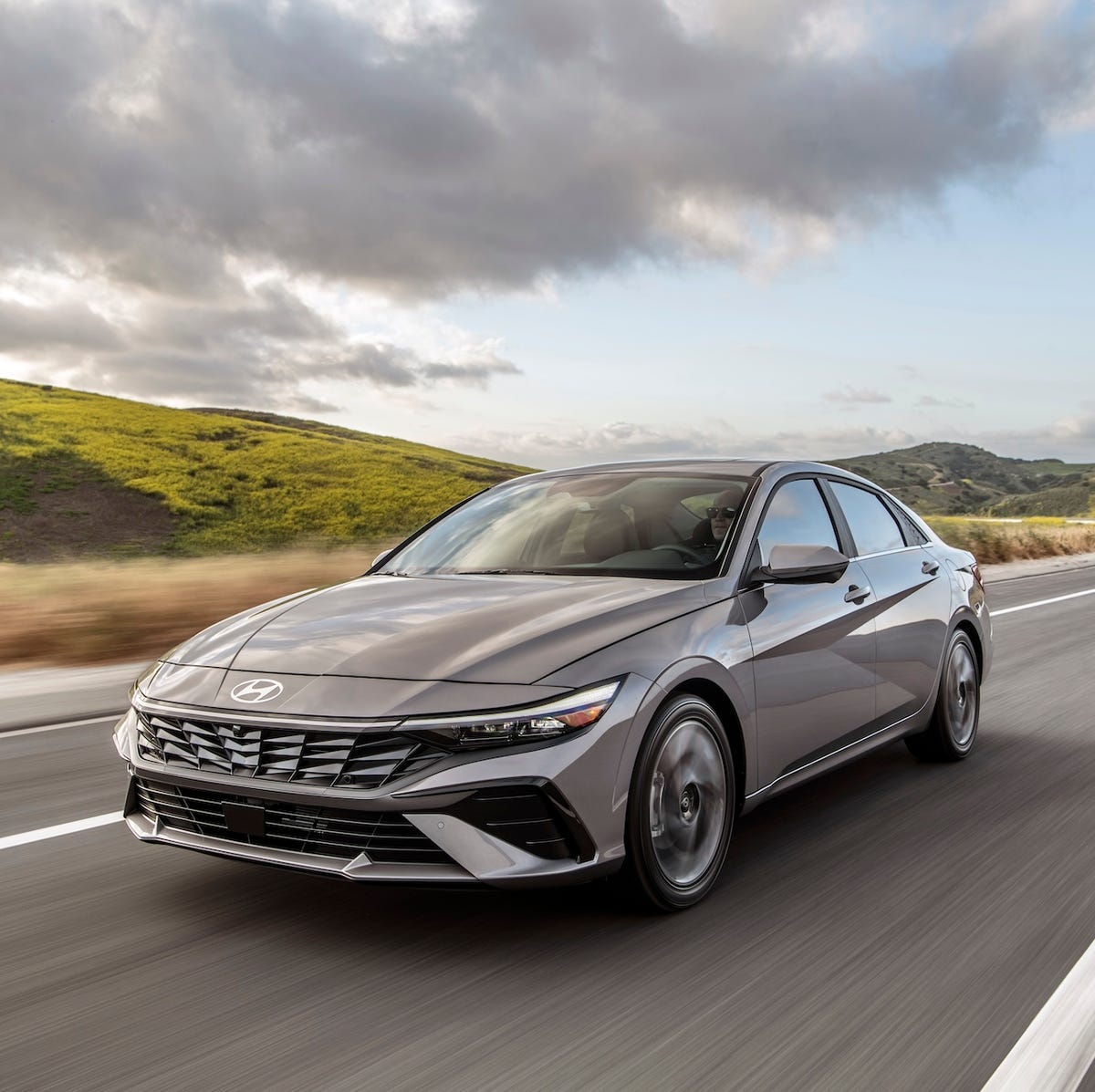
Fuel economy: about 54 mpg combined
Why it’s cheap to drive:
Hybrid efficiency with a relatively low purchase price
Smooth ride and roomy interior for a compact sedan
The Elantra Hybrid regularly ranks among the most efficient vehicles, delivering about 54 mpg combined, making it one of the cheapest cars to operate, according to kunessterlingauto.com.
3. Toyota Corolla Hybrid
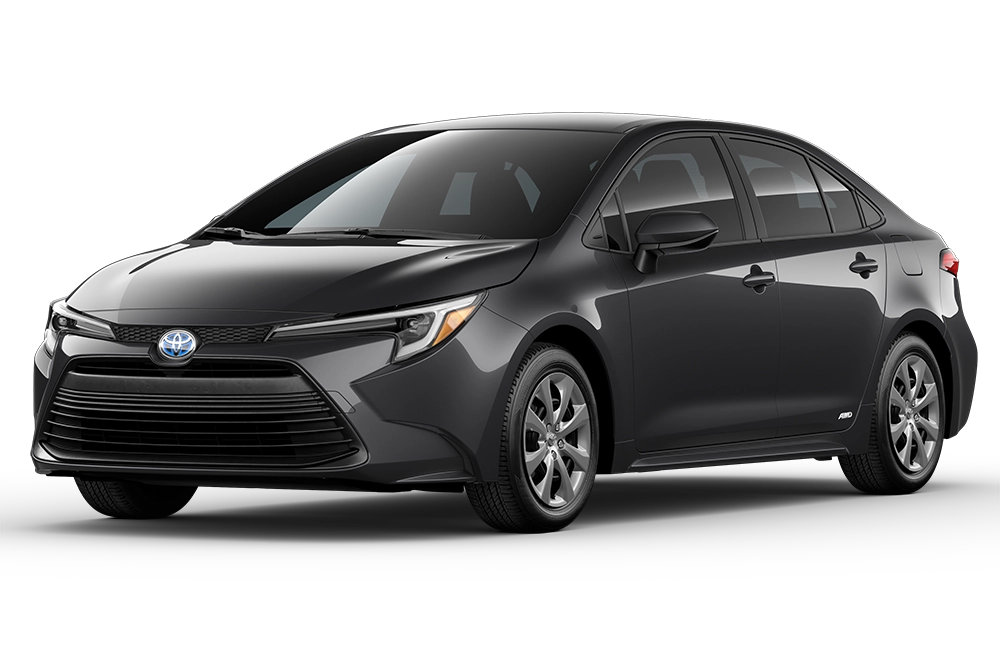
Fuel economy: about 50 mpg combined
Why it’s cheap to drive:
One of the most affordable hybrids available
Legendary Toyota reliability
Excellent city mileage
Many versions of the Corolla Hybrid achieve around 50 mpg combined, making it a very economical commuter car, per Quantrell For Life.
4. Kia Niro Hybrid
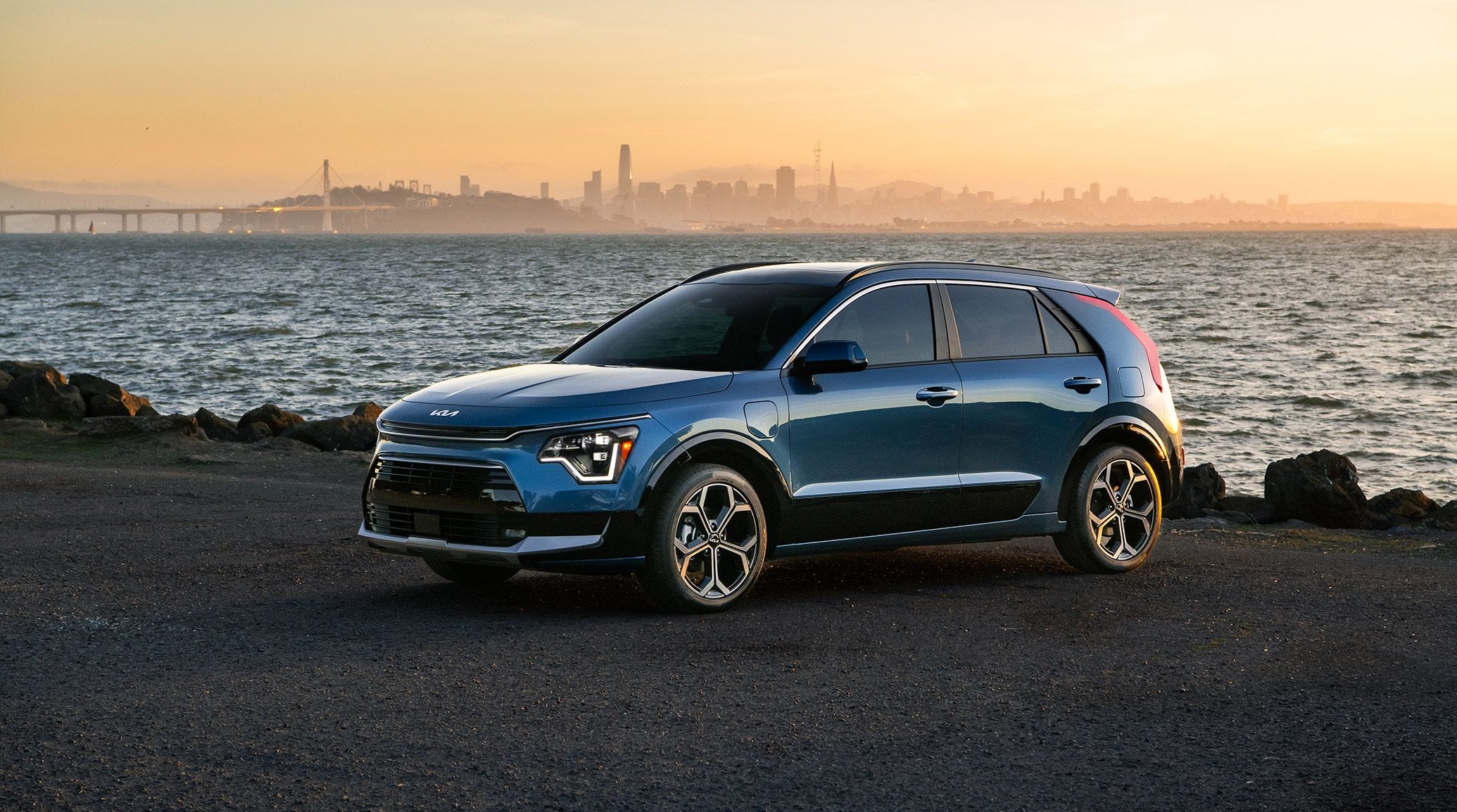
Fuel economy: about 53 mpg combined
Why it’s cheap to drive:
SUV-like practicality with hybrid efficiency
Great for drivers who want space but still want high mileage
The Niro Hybrid achieves about 53 mpg combined, placing it among the most fuel-efficient crossovers available, per Quantrell For Life.
5. Honda Civic Hybrid
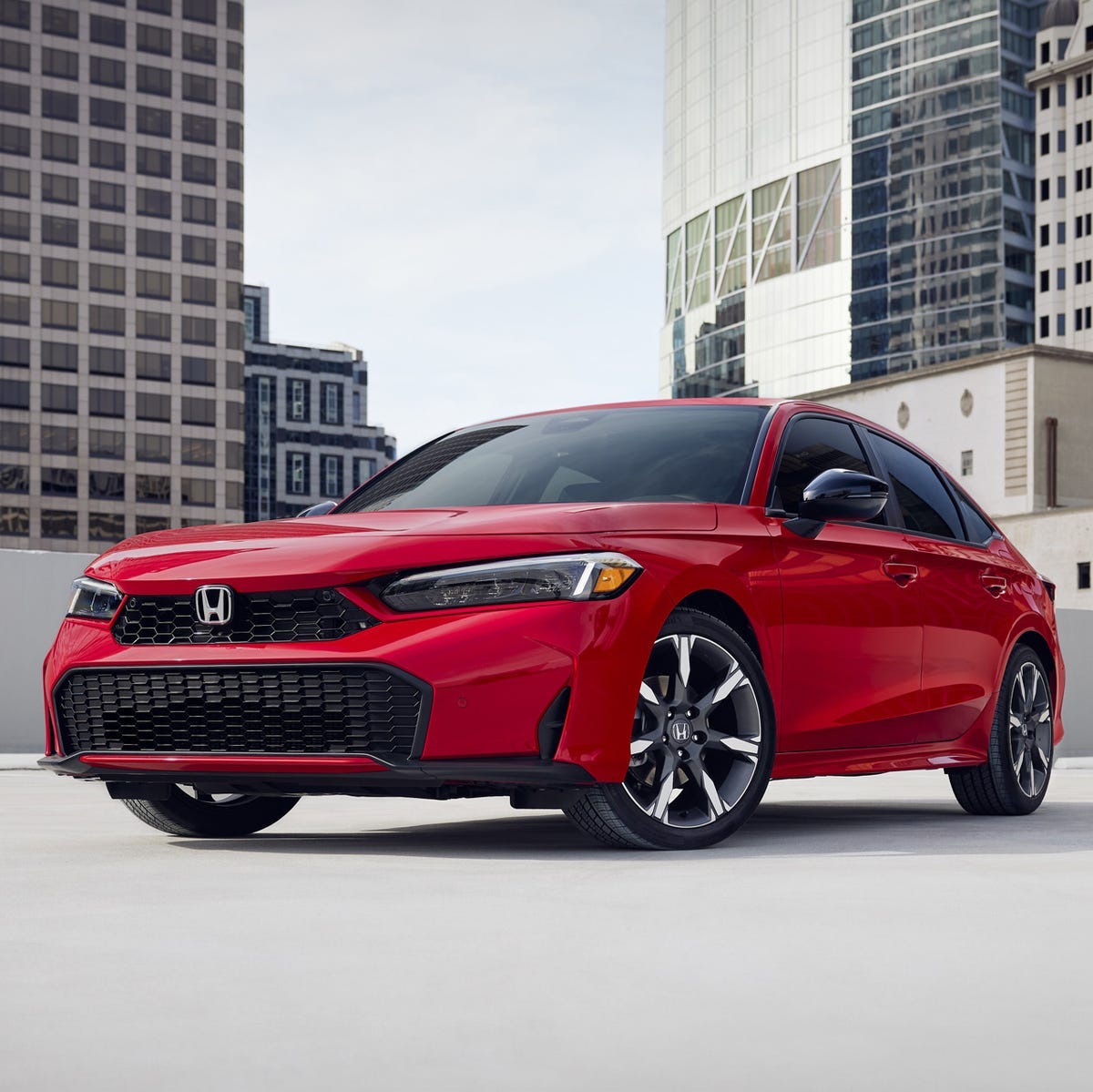
Fuel economy: about 49 mpg combined
Why it’s cheap to drive:
Hybrid system with strong performance
Long reputation for reliability and efficiency
The Civic Hybrid delivers around 49 mpg combined, offering a balance of efficiency, performance, and practicality, according to The General.
Bottom line:
Hybrids dominate the list of cheapest cars to run. Vehicles like the Prius and Elantra Hybrid can cut fuel use roughly in half compared with many SUVs and trucks.
ChatGPT assisted in the research for this story.