


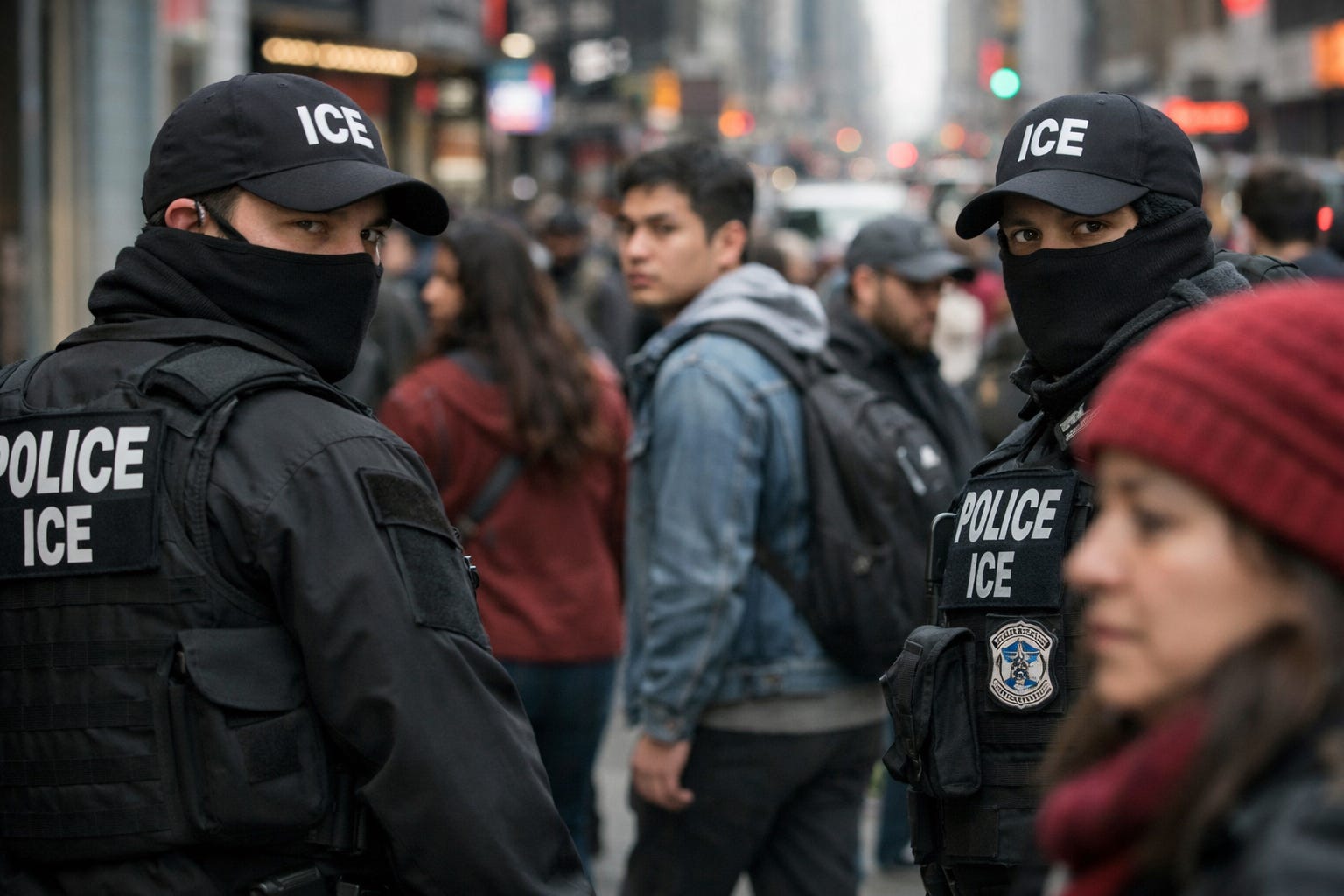
A growing scam economy around immigration fears
A surge in immigration enforcement under the Trump administration is being accompanied by a parallel rise in fraud schemes targeting migrants desperate to avoid detention or deportation.
According to a recent investigation by Mother Jones, scammers are exploiting confusion, fear, and limited access to reliable legal help—charging steep fees for services that often don’t exist or provide no real protection.
The schemes range from fake attorneys to call centers impersonating federal agencies, all promising fast-track legal status, deportation relief, or insider access to immigration officials, documents from the American Immigration Lawyers Association (AILA) show.
‘Fake lawyers’ and false promises
At the center of many scams are individuals posing as immigration attorneys or “consultants” who promise results they can’t deliver.
Victims report paying thousands of dollars for:
Nonexistent visa applications
Fraudulent asylum filings
Bogus work permits
“Protection” from immigration raids
In many cases, the paperwork filed is either incorrect or never submitted at all—leaving immigrants in worse legal standing than before.
Some scammers reportedly coach clients to provide false information on applications, increasing the risk of detention or permanent bans from legal status.
Fear-driven targeting
The crackdown itself is a key driver of the fraud boom.
Heightened enforcement actions — including raids, detentions, and policy changes — have created widespread uncertainty, making immigrants more vulnerable to anyone claiming to offer help.
Reports describe scammers:
Cold-calling immigrants with urgent warnings about deportation
Impersonating officials from federal immigration agencies
Claiming victims are on “lists” unless they pay immediately
The tactics mirror classic financial scams but are tailored to immigration fears—often leveraging language barriers and lack of legal knowledge.
High costs, little recourse
Victims often lose life savings, with some paying tens of thousands of dollars for services that never materialize.
Unlike typical consumer fraud, these cases are especially hard to report or prosecute:
Victims may fear interacting with authorities
Many scams operate across state or international lines
Fraudsters frequently disappear or rebrand
Advocates say the result is a largely hidden crisis, with many cases going unreported.
Legal aid gaps widen the problem
Experts say a shortage of affordable, legitimate immigration legal services is helping fuel the scam ecosystem.
With demand surging and enforcement intensifying, many immigrants struggle to find:
Verified attorneys
Low-cost or pro bono representation
Clear, trustworthy information
That gap creates an opening for bad actors to step in and fill the void—often convincingly.
What this means
The rise in immigration-related scams highlights a broader consumer protection issue: enforcement policies can unintentionally create new opportunities for fraud.
For vulnerable populations, the stakes are unusually high—not just financial loss, but the risk of detention, deportation, or long-term legal consequences.
Consumer advocates say the safest course is to:
Verify attorneys through state bar associations
Avoid anyone demanding upfront fees for guaranteed results
Be wary of unsolicited calls claiming government affiliation
As enforcement expands, watchdog groups warn the scam economy surrounding immigration is likely to grow alongside it—turning fear into profit for bad actors.