


A Delaware judge has ruled that Meta Platforms is not entitled to insurance coverage for its legal defense in sweeping lawsuits alleging its social media platforms harmed children—marking a potentially pivotal moment for both Big Tech and the insurance industry.
The decision, handed down by Superior Court Judge Sheldon Rennie, concludes that the claims against Meta do not qualify as “accidents” under standard liability policies—meaning insurers have no duty to defend the company in the ongoing litigation, according to an Insurance Journal report.
Court: alleged harms were intentional, not accidental
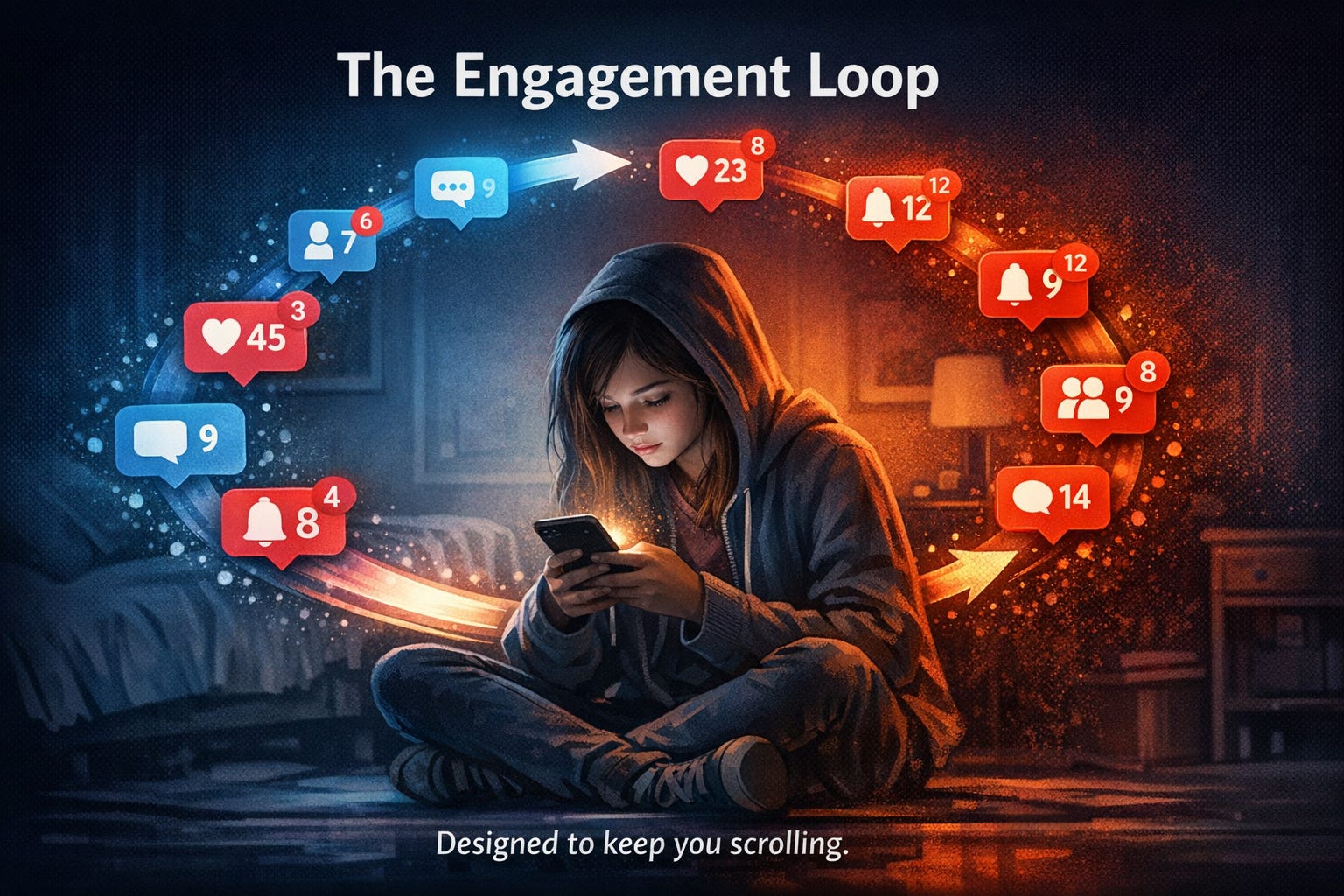
At the center of the dispute is whether Meta’s design choices—particularly algorithms and engagement features—can be considered accidental.
The court said no.
The lawsuits, consolidated in California and brought by families, school districts, and dozens of states, allege that Meta deliberately engineered addictive features on platforms like Facebook and Instagram that contributed to anxiety, depression, and other mental health harms among young users.
Judge Rennie ruled that—even if framed as negligence—the conduct described in the complaints reflects intentional actions, not unforeseen events that would trigger insurance coverage.
Under typical commercial general liability policies, coverage applies only to damages caused by an “occurrence,” generally defined as an accident. Because the alleged harm flows directly from deliberate product design, the court found that threshold was not met.
Insurers win early exit from costly defense
The ruling represents a significant win for more than 20 insurers—including major carriers—that sought a declaration they were not obligated to fund Meta’s defense.
The court emphasized that insurers are entitled to a prompt determination of coverage, just as policyholders are entitled to a prompt defense when coverage applies. Delaying the decision, the judge said, would unfairly force insurers to bankroll legal costs they may not owe.
Importantly, the ruling applies only to the duty to defend, not whether insurers might ultimately have to pay damages (indemnification), which could be addressed later depending on how the underlying cases evolve.
Meta has 30 days to appeal.
Broader implications for tech and insurance
Legal experts say the decision could have far-reaching consequences.
For insurers, it reinforces a growing argument that claims tied to intentional product design—even if harmful—may fall outside traditional liability coverage.
For tech companies, it raises the stakes dramatically. Without insurance-funded defense, companies could face billions in out-of-pocket legal costs as litigation expands.
The case also highlights a broader shift: courts are increasingly being asked to decide whether digital platform design choices—algorithms, engagement loops, recommendation systems—constitute intentional conduct with foreseeable harm.
Rising risks, tightening coverage
The ruling comes as insurers are already grappling with rising and more complex risks—from climate-driven disasters to emerging liability categories.
Across the industry, underwriting standards have tightened and exclusions have become more scrutinized as insurers try to limit exposure to unpredictable, high-severity claims.
At the same time, new forms of liability—such as those tied to technology, AI, and behavioral impacts—are testing the boundaries of traditional insurance frameworks.
What this means
For consumers and policymakers, the decision underscores a key reality:
Insurance may not cover emerging tech harms, especially when companies are accused of knowingly designing risky products
Legal accountability for social media platforms could increasingly fall directly on the companies themselves
The outcome of these cases may shape future regulation around youth safety, algorithm design, and platform responsibility
For Meta, the immediate consequence is clear: defending thousands of lawsuits could become significantly more expensive—and more uncertain—without the backing of its insurers.
What the research says: social media and youth mental health
A growing body of research links heavy or problematic social media use to mental health risks in adolescents—but the picture is complex, with ongoing debate about cause vs. correlation.
Most studies find a link to depression and anxiety
Large reviews of the evidence consistently show that higher social media use is associated with worse mental health outcomes. One 2025 review found that the majority of studies link social media use to depression and anxiety, with many also identifying stress and behavioral issues, according to a recent study.
Meta-analyses similarly report a significant relationship between problematic use and higher levels of depression, anxiety, and stress in young people, a study published in JMIR Mental Health found.
Longitudinal data suggests risk may increase over time
Some of the strongest evidence comes from long-term studies tracking children. A major cohort study published by JAMA found that greater social media use in early adolescence was associated with increased depressive symptoms over time, suggesting the relationship may not just be coincidental.
Concerns extend to self-harm and suicidality
Clinical research has also linked heavy use to more severe outcomes, including mental distress, self-harming behaviors, and suicidality among teenagers.
How platforms may amplify harm
Researchers and court testimony increasingly point to design features that may intensify risks, including:
Infinite scrolling and autoplay that remove stopping cues
Algorithmic amplification of emotionally charged content
Social comparison dynamics tied to likes, comments, and follower counts
These features can affect self-image, emotional regulation, and impulse control, particularly during critical stages of brain development.
But causation remains debated
Not all research agrees that social media directly causes harm. Some large-scale studies find no clear causal link between time spent online and mental health problems, suggesting that vulnerable teens may simply use social media more, rather than being harmed by it, according to a report in The Guardian.
Researchers increasingly emphasize that how teens use social media—and what they experience there—may matter more than raw screen time.
Bottom line
Strong evidence of association, especially with heavy or problematic use
Growing—but still contested—evidence of causation
Increasing focus on platform design and user experience as key risk factors