


The spiraling gas prices brought on by the Iran War have many consumers wishing they’d bought an electric car, or at least a hybrid, the last time they refreshed their fleet. With gas closing the weekend at a nationwide average of $4.55 a gallon, consumers with lengthy daily commutes may be wondering how long this is likely to last.
Unfortunately, the news on that front is not so good. GasBuddy head of petroleum analysis Patrick De Haan said a $5 national average is plausible in June and warned that "prices may not stabilize until well into 2027," even if Hormuz traffic resumes in the coming weeks.
While it’s never a good idea to rush out and buy a new vehicle just because gas prices fluctuate, the current conditions may be exceptional enough for some consumers to start pricing possible replacements. And although the promise of super-economical Chinese cars may be tempting, they may not arrive soon enough to offer much relief.
So, given the unusual circumstances, what’s the best choice for consumers looking for an economical and safe family car?
We quizzed our various researchers, human and otherwise, about the best car for normal consumer applications and got the expected answer:
For most typical consumers, a compact or midsize Japanese-brand sedan or small crossover (for example, a Toyota Corolla/Corolla Hybrid, Honda Civic, Toyota RAV4, or Honda CR‑V) is usually the best overall choice when you weigh fuel cost, insurance, safety, and depreciation together, US News and others advise.
If you truly need a light truck, a smaller, efficient model like a Ford Maverick Hybrid or a used Honda Ridgeline minimizes fuel and depreciation compared with full-size trucks.cars.
What “best” means here
When you combine gas, insurance, safety, and depreciation, you’re really trying to minimize “total cost of ownership” while still getting a safe, practical vehicle, according to Mercury Insurance. That generally pushes you toward:
Mainstream, non-luxury brands (especially Toyota and Honda) because of strong reliability and resale value.
Smaller, lighter vehicles (compact sedans and crossovers) because they get better fuel economy and are usually cheaper to insure, says AutoInsurance.com.
High safety ratings (NHTSA and IIHS crash-test scores and active safety features) which can lower both injury risk and insurance premiums.
Why compact/midsize cars are usually best
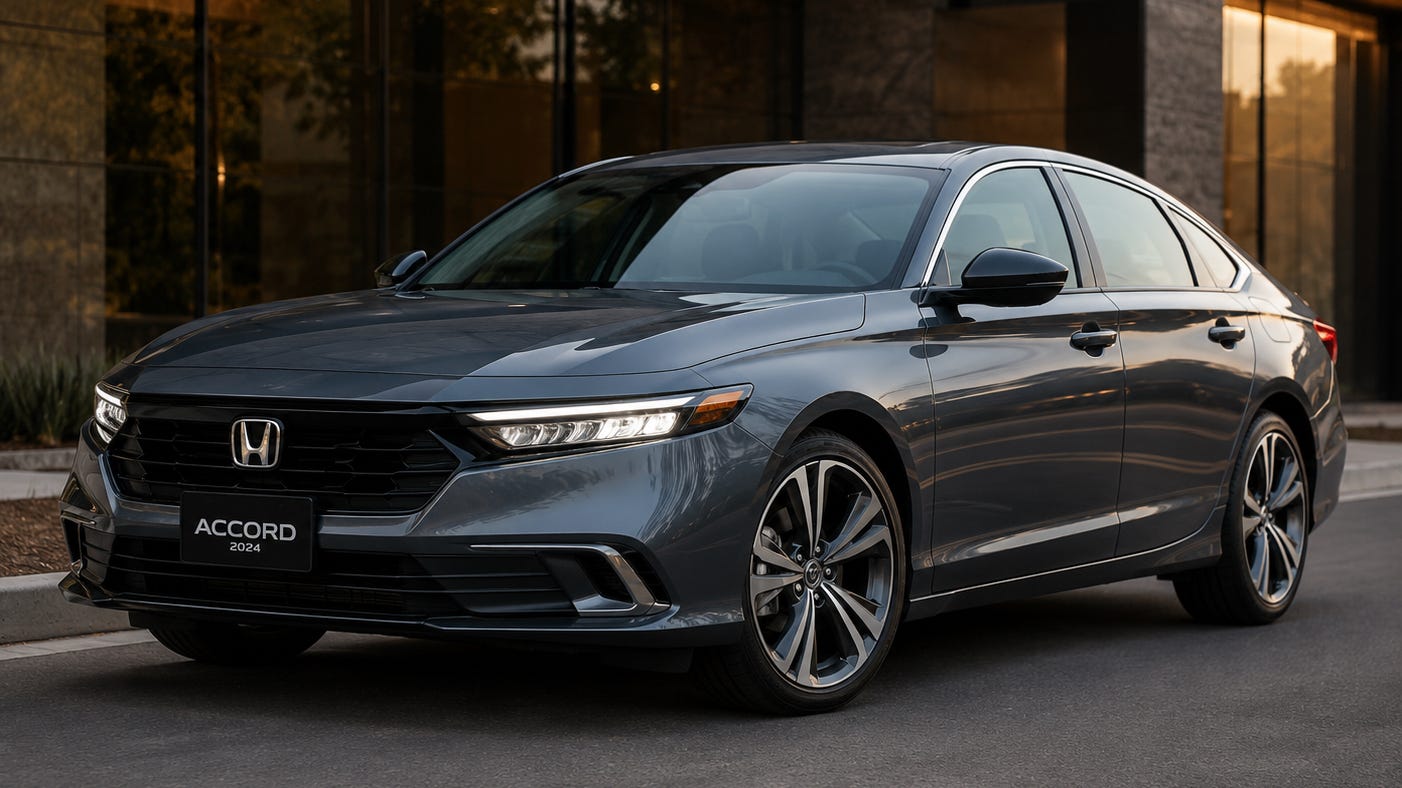
Compact and midsize sedans like the Toyota Corolla, Honda Civic, Toyota Camry, and Honda Accord are repeatedly recommended as practical, low-cost choices. They tend to:
Have excellent fuel economy, which matters more as gas prices fluctuate.
Be cheaper to insure than trucks, luxury SUVs, or performance cars because they cost less to repair and have good safety records.
Depreciate slowly, especially models like the Corolla and Civic, which have strong used-market demand, Caredge.com says.
An example: a Toyota Corolla or Honda Civic is cited as both fuel-efficient and relatively cheap to insure, with strong long-term value retention. That combination makes them hard to beat for a “typical” user who mainly commutes, runs errands, and occasionally takes road trips.cars.
Small crossovers and depreciation
If you prefer something a bit higher off the ground, small crossovers such as the Toyota RAV4 (especially the Hybrid) and similar models from Honda show some of the slowest depreciation among mainstream vehicles. These models offer:
Better cargo space and an easier step-in height than sedans, which many families appreciate, Consumer Reports notes.
Strong resale value, particularly from brands with durability reputations like Toyota, which helps offset the higher initial price, says Kelley Blue Book.
Fuel economy that is still reasonable, especially in hybrid versions, further controlling gas costs, per fueleconomy.gov.
For a typical household that occasionally needs extra room but doesn’t tow heavy loads, a compact crossover from a high-resale brand is often the sweet spot.
Light trucks: when you really need one
Trucks cost more to fuel and insure, and they usually depreciate faster than compact cars unless you buy carefully, typically used. If you truly need a pickup but still care about cost.
Smaller, efficient trucks like the Ford Maverick Hybrid combine pickup utility with sedan-like fuel economy (around mid-30s mpg combined in estimates), making them far cheaper to run than most full-size trucks.
A used, reliable truck like a Honda Ridgeline can offer better fuel economy than many body-on-frame trucks and avoids the steepest new-vehicle depreciation.
Even then, for a “typical” consumer who doesn’t tow frequently or haul heavy loads, the total costs of a truck will usually be higher than a compact car or crossover, especially in gas and insurance.
How to decide for yourself: car or truck
Yeah, we know. Guys like trucks. But is it worth buying a truck just so you can haul a few bags of mulch every now and then? Do you tow a boat or camper? Move large boulders around?
It’s tempting to think that trucks are built big and tough — you know, like us guys like to think of ourselves. But in both cases, the fantasy may not stand the test of time.
Pickup trucks don’t automatically have a better service record than cars; reliability is more about the specific model, brand, and how it’s maintained than whether it’s a truck or car. Trucks are often built more robustly for heavy use, but they can also cost more to maintain and repair, especially if used hard.
Pickup trucks are designed with heavier frames, suspensions, and often larger engines to handle towing and hauling, which can make them very durable when properly maintained. That’s why you commonly see work trucks and fleet pickups with very high mileage that are still in service.
If you want to narrow this to a specific model for your situation, the key next step is clarifying whether you actually need truck capability (towing/hauling) or mainly want a practical commuter and family vehicle. Do you primarily need a commuter/family car, or do you regularly tow/haul enough that a pickup is truly necessary?
New vs. used
All this brings us to the question — new or used?
For most people, a slightly used car is the better financial value — especially a vehicle that’s about 3 to 5 years old. That’s because the original owner already absorbed the steepest depreciation.
Keep in mind that new cars commonly lose 15%–30% of their value in the first year alone, and around 40%–60% within five years. Unusual, high-end or high-performance models lose much more.
So if someone buys a $45,000 SUV new and sells it three years later, a second owner may get a very similar vehicle for $28,000–$32,000.
That’s why many financial experts consider the “sweet spot” to be:
3–5 years old
Under ~60,000 miles
Strong reliability history
Good maintenance records
Ideally certified pre-owned (CPO).
But before making a decision, be sure to check new prices as well. You can sometimes get better financing on a new car, which can help offset the depreciation.
So the smarter comparison is:
total ownership cost = price + interest + insurance + repairs + depreciation
—not just sticker price.
Caution wins the day
As a last cautionary note, a car purchase is a major transaction that carries six or seven years of debt, higher insurance costs, and high property tax and registration fees in many areas. If a purchase involves rolling over existing debt, it is almost never a good idea.
The sour taste of monthly payments often outlasts that sweet new-car smell.
—
The author has long experience with cars, much of it ill-advised. He has owned Porsches, Peugeots, Mini Coopers and at one time owned four Alfa Romeos, none of which ran reliably.