


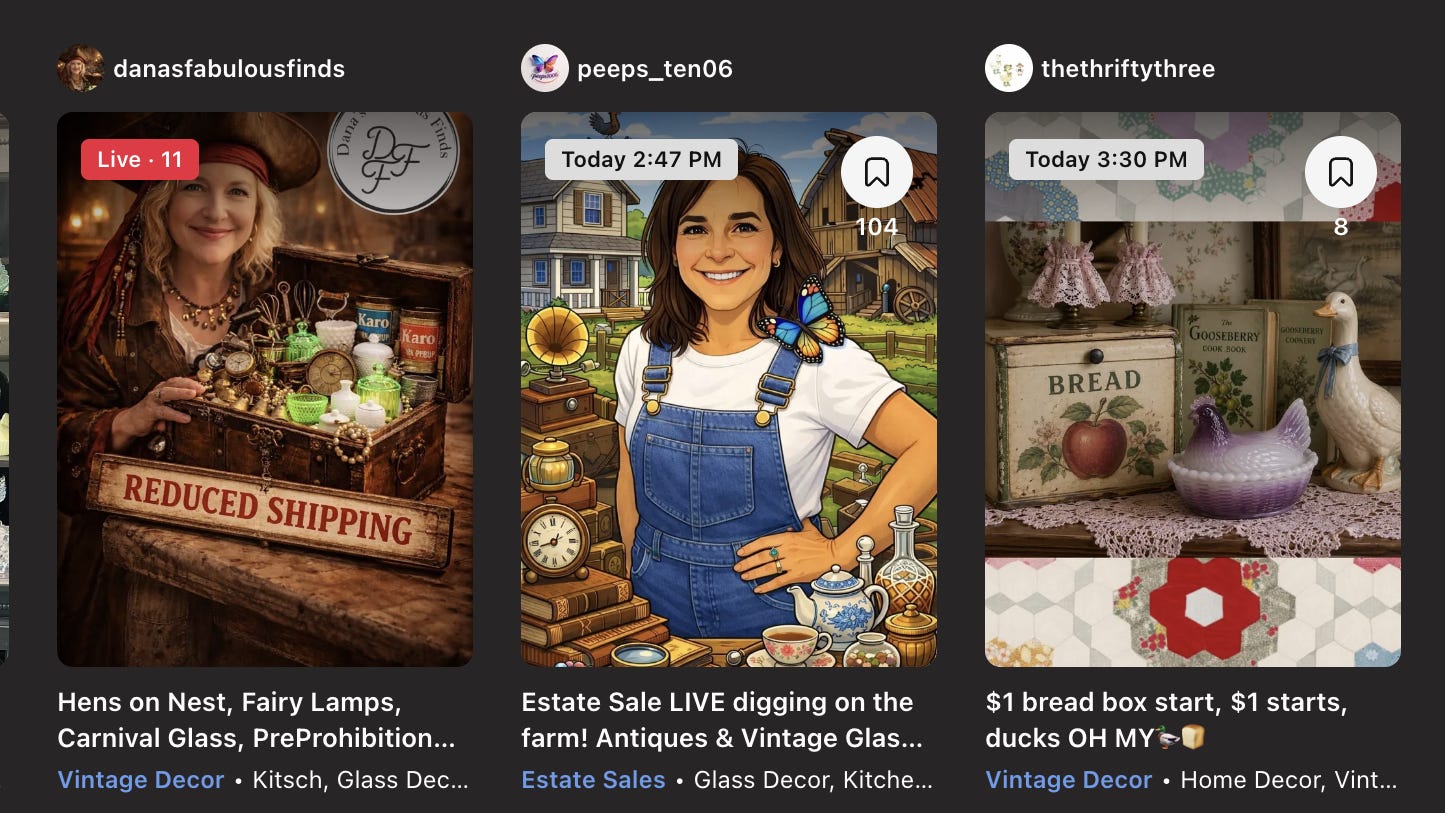
A shopping app built for speed—and impulse
A new generation of livestream shopping apps is gaining traction in the U.S., with Whatnot emerging as a breakout player by turning online buying into a rapid-fire auction experience.
On the platform, sellers stream live video while pitching products — from beauty items to collectibles — prompting viewers to bid in auctions that can close in seconds. The format creates a sense of urgency that many users say is hard to resist.
For some, the result is a mix of deals and regret. Shoppers describe accumulating piles of unused products and spending far more than intended, drawn in by the quick-hit excitement of winning auctions and scoring perceived bargains.
From niche startup to $11.5B platform
Founded in 2019, Whatnot initially focused on collectibles before pivoting to livestream auctions during the pandemic. The shift helped fuel rapid growth:
Roughly $8 billion in sales in 2025, up from $3 billion a year earlier
More than 5 million listings per day
Valued at about $11.5 billion after its latest funding round
Among the top-downloaded U.S. shopping apps, rivaling Amazon and eBay
The company takes a cut of each transaction and earns additional revenue from seller services.
Livestream shopping remains far more established overseas — especially in China, where it accounted for about 60% of e-commerce in 2024, compared with roughly 5% in the U.S., according to Bloomberg News.
Sellers thrive — but barriers fall
The model has created new income streams for small sellers, some of whom report tens of thousands of dollars in annual revenue and rapidly growing businesses.
At the same time, longtime users say the platform has lowered entry barriers as it scales, raising concerns about inconsistent product quality and seller vetting. The company says it verifies sellers and bans tens of thousands of accounts weekly, while expanding its trust and safety team.
The psychology: “So easy, so social”
Experts say the platform’s design mirrors features long criticized in social media—and even gambling.
The combination of:
real-time competition
social interaction
one-tap purchasing
can encourage impulsive decisions, according to digital media researchers.
Users report:
bidding wars that escalate faster than expected
accidental purchases due to one-swipe checkout
difficulty tracking cumulative spending
While sellers sometimes reverse mistaken transactions, refunds are not guaranteed under platform rules.
Gambling concerns and legal scrutiny
Some of the sharpest criticism centers on “breaks,” a popular auction format in trading card categories where buyers pay for a chance to receive valuable items—introducing an element of randomness.
Consumer attorneys have argued in arbitration filings that such mechanics resemble unregulated lotteries or casino-style systems. The company disputes that characterization, saying gambling is not allowed and that only a small share of sellers host such events.
Real-world fallout for users
For some shoppers, the consequences are significant.
Users interviewed described:
thousands of dollars spent on unwanted goods
tens of thousands in debt tied to repeated bidding
difficulty disengaging from the platform despite losses
Even those who recognize the risks say they continue to return, underscoring the app’s pull.
What the company says
Whatnot says it is aware of concerns about compulsive spending and has introduced tools such as:
spending and time-tracking dashboards
self-imposed purchase limits
The company maintains that product quality and safety enforcement have kept pace with growth, citing increased user feedback and monitoring systems.
What this means for consumers
Livestream shopping is poised to expand rapidly in the U.S.—but it brings a new set of risks that blur the line between entertainment and spending.
Watch for:
Impulse traps: Fast auctions leave little time to compare prices
“Deal illusion”: Discounts may feel bigger than they are
One-tap spending: Frictionless checkout can lead to accidental buys
Addictive design cues: Competition and social interaction can amplify spending
Bottom line: The format may be fun—but consumers should treat livestream auctions less like shopping and more like a high-speed game where the house often has the edge.