

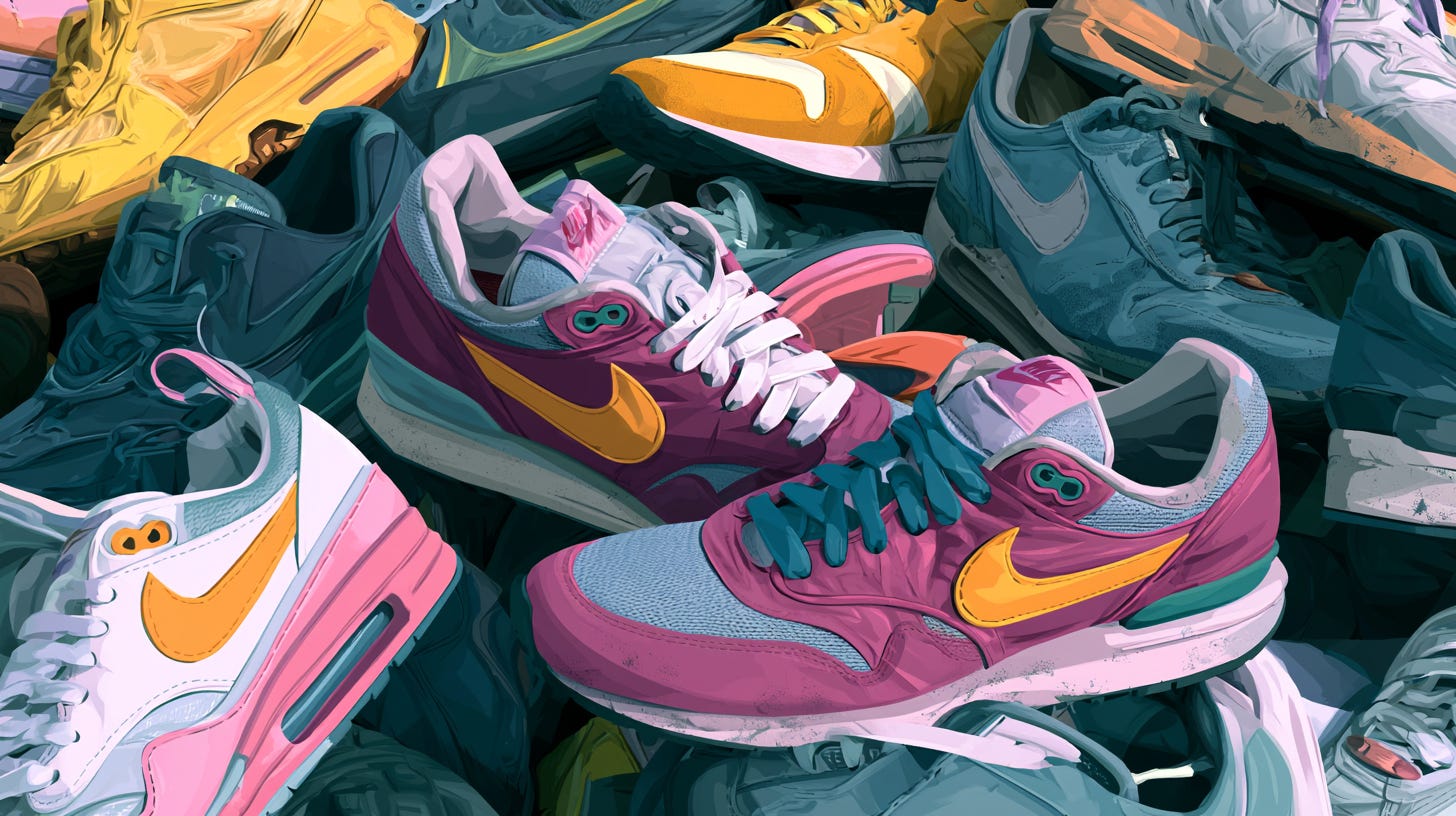
Consumers accuse Nike of raising prices to cover Trump-era tariffs — and then keeping the money after the tariffs were struck down.
Consumers are now taking one of America’s biggest retail brands to court over a question likely to spread far beyond sneakers: If companies raised prices because of tariffs — and those tariffs are later overturned — do shoppers deserve their money back?
A proposed federal class action filed against Nike alleges the sportswear giant increased prices on footwear and apparel to offset import tariffs imposed during the Trump administration, then failed to commit to refunding consumers after the U.S. Supreme Court invalidated key parts of those tariffs earlier this year, according to an Insurance Journal report.
According to the lawsuit, Nike previously said it paid roughly $1 billion in tariffs on imported goods. Consumers claim the company responded by raising prices on some shoes by $5 to $10 and apparel by $2 to $10.
Now plaintiffs argue Nike could effectively get paid twice — once by consumers and again through tariff refunds from the federal government.
“Unless restrained by this court,” the complaint alleges, Nike could recover tariff costs “twice.”
The lawsuit was filed in federal court in Portland, Oregon. Nike had not publicly responded to the allegations as of Monday.
A growing wave of tariff refund lawsuits
Nike is not alone.
The Insurance Journal/Reuters report says consumers have also filed similar lawsuits against retailers including Costco and eyewear giant EssilorLuxottica, maker of Ray-Ban sunglasses.
The cases are emerging after a February Supreme Court ruling striking down broad tariffs imposed under the International Emergency Economic Powers Act, or IEEPA. The legal theory behind the lawsuits is straightforward:
If companies justified higher prices because tariffs increased their costs, consumers say those price hikes should disappear — or be refunded — if the tariffs themselves are ruled unlawful.
Legal experts say the cases could open a new front in consumer litigation, particularly if more retailers received tariff reimbursements or avoided expected tariff costs while leaving higher consumer prices in place.
Consumers already squeezed by inflation
The lawsuits also tap into broader consumer frustration over years of rising prices.
Many Americans have struggled with elevated costs for shoes, clothing, electronics, household goods and groceries since the pandemic-era inflation surge. Tariffs became another frequent explanation companies used for price increases, particularly for imported goods.
Retailers often defended those increases as unavoidable.
But consumer advocates argue companies should not retain windfall profits if those costs disappear.
That debate has become increasingly politically charged as inflation-weary shoppers question whether corporations used tariffs, supply chain disruptions and inflation as cover for broader price hikes.
What shoppers could get
The Nike case is currently only a proposed class action, meaning a judge would first have to certify a nationwide consumer class before any refunds could be pursued.
If the plaintiffs succeed, consumers who bought qualifying Nike products during the tariff pricing period could potentially receive partial refunds or compensation.
However, such cases can take years to resolve.
Companies facing these lawsuits are also likely to argue that retail pricing depends on many factors beyond tariffs, including transportation, labor, marketing and inventory costs.
Nike has already suggested tariff pressure may be easing. During a March conference call, the company reportedly said the fiscal quarter ending in August 2026 would likely be the last period in which tariffs materially affected profit margins.
Why this matters for consumers
The Nike lawsuit could have implications far beyond apparel.
If courts allow these refund theories to proceed, similar claims could emerge across industries that blamed tariffs for higher prices, including electronics, appliances, furniture and auto parts.
Consumer advocates say the broader issue is transparency.
If companies impose “temporary” surcharges tied to government policy or supply disruptions, shoppers increasingly want to know whether those fees will disappear once conditions change.
The case may ultimately test whether tariff-related price hikes are treated as ordinary business decisions — or as recoverable overcharges consumers can challenge in court.
What consumers can do now
Consumer attorneys say shoppers who believe they paid tariff-related surcharges should:
Keep receipts and online order confirmations.
Watch for class action notices related to purchases.
Monitor whether companies announce refunds or pricing adjustments.
Be cautious of scams promising immediate settlement payments.
For now, the Nike lawsuit is in its early stages — but it could become one of the first major tests of whether consumers can claw back money tied to overturned tariffs.