

Social media influencers and other witch doctors are promoting ditching sunscreen, advocating for "immunity-boosting" sun exposure, and pushing DIY "natural sun protection" like oils and butters.
Health professionals say it's glaringly obvious that skipping sunscreen significantly elevates risks of sunburn, premature aging, and potentially deadly skin cancers such as melanoma.
This surge in misinformation comes amid growing public skepticism toward sunscreen ingredients, regulatory bodies, science and anything else that is not something even an indigenous medicine man knows is nonsense.
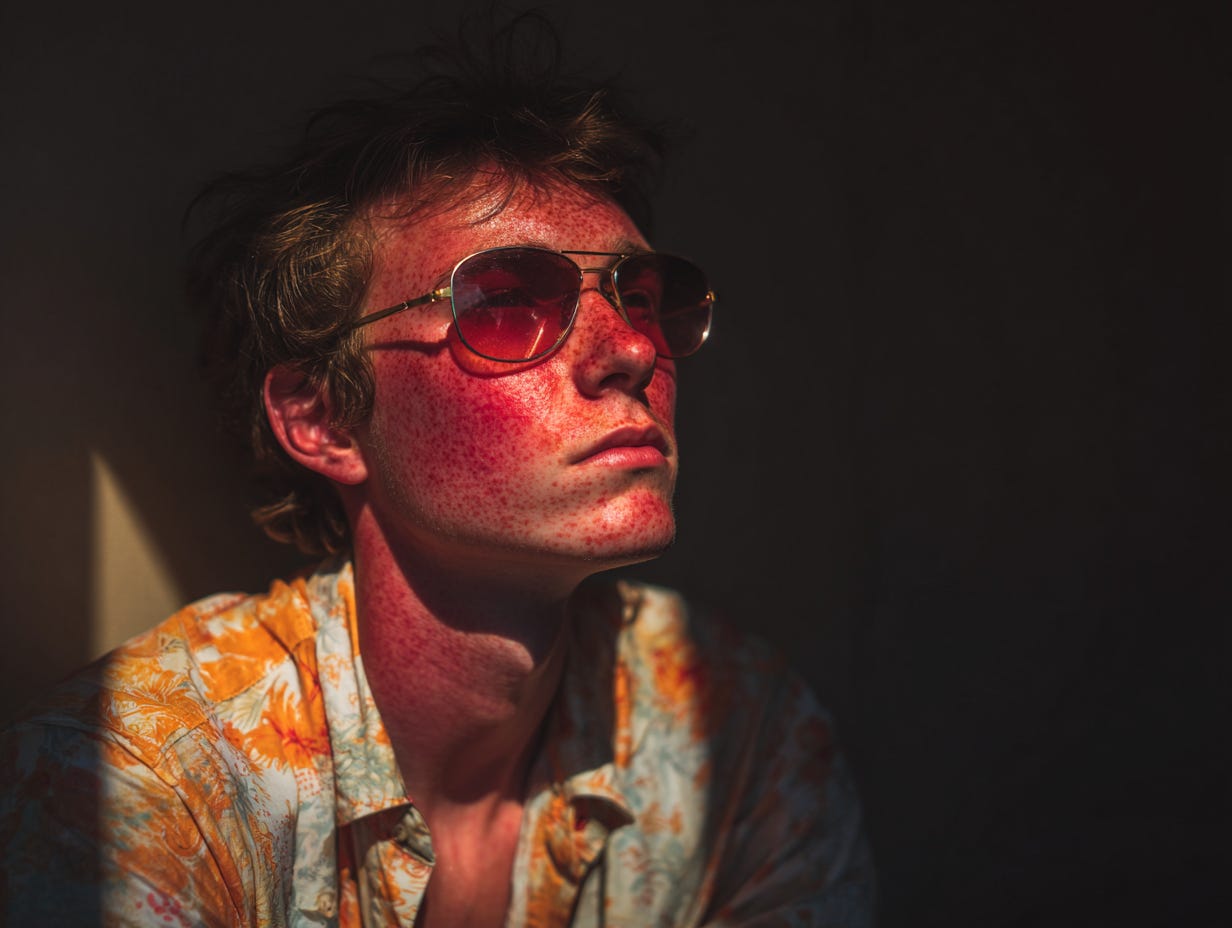
A wave of anti-sunscreen sentiment is sweeping across platforms like TikTok, Instagram, and YouTube, sparking alarm among dermatologists and public health experts. From claims that building sun immunity through unprotected exposure is healthy, to homemade “natural” sunscreen alternatives, these trends are causing widespread confusion about proven sun-safety practices.
How sunscreens work
Sunscreen protects against ultraviolet (UV) radiation in two main ways: chemical formulas absorb UV rays, while mineral-based products physically block them using agents like zinc oxide or titanium dioxide. Both types effectively guard against skin damage and cancer—despite misinformation suggesting otherwise, according to WebMD.
Who's behind this nonsense?
Robert F. Kennedy Jr.’s “Make America Healthy Again” crusade is fueling skepticism toward commonly used sunscreen ingredients. Influencers cite concerns over chemicals like oxybenzone and titanium dioxide, although experts stress there’s no conclusive evidence linking them to harm in humans, the Washington Post reports.
Slather on sunscreen whenever you go out
Dematologists are doctors who treat skin diseases, like cancer. They see the results of not using sunscreen, which they affirm is one of the most effective defenses against skin cancer, along with staying inside (That works but isn't as much fun). Long-term studies—like Australia’s Nambour trial and a large Norwegian cohort—have consistently shown reduced melanoma rates with regular sunscreen use.
Health professionals strongly advise their patients and everyone else to continue using broad-spectrum SPF 30+ sunscreen—even on cloudy days—and to favor mineral-based options if chemical ingredients raise concerns. Abandoning sunscreen in favor of unproven DIY remedies or solely relying on diet or gradual exposure can significantly increase skin cancer risk.
Other crackpot cures
Sunscreen is just the latest scientifically proven preventative measure to come under attack from the strange denizens that roam the internet and pop up on TikTok and the other platforms that will literally post just about any nonsense that attracts those of a certain gullibility.
Why would a responsible platform post such foolish and dangerous bilge? It wouldn't, but today's social media don't know anything about publishing other than how to make money with it. The responsibility thing? They're not familiar with that. After all, TikTok is owned by the Chinese Communist Party, Instagram is part of the Meta miasma and YouTube is a cog in the giant money-grinding Google gargantua. They will apparently publish anything at all that eyeballs will gaze upon.
Here are some of the other oddball theories, claims and fantasies currently floating around:
DIY “cures” for serious illnesses: Dangerous, unverified treatments for conditions like cancer and anxiety—ranging from dog dewormers to soursop tea, fermented pickles, or even biting lemons to manage panic attacks— are all bubbling away, attracting new adherents. Many are harmful all by themselves while others can deter people from seeking proper medical care.
"Immune‑boosting" foods and fad diets: The notion that specific foods or supplements can “boost” immunity (beyond basic nutritional maintenance) is misleading. Claims that immune health hinges on trendy products or restrictive “clean‑eating” regimens are not supported by science and can be harmful. A balanced diet is sufficient for most healthy people.
Misleading mental health “quick fixes”: Some viral videos suggest eating sour candy, taking ice baths, or consuming fermented pickles as remedies for anxiety. Mental health professionals warn these oversimplified tactics may provide temporary distraction but are not substitutes for structured, evidence‑based care.
Dangerous reproductive health misinformation: On TikTok, users frequently encounter misleading content about abortion, including unverified herbal “at-home” remedies. Research shows this type of content often lacks moderation and can misguide viewers—even when clearly labeled as false.
Outdated or false medical myths: Content creators still perpetuate misconceptions like “detox diets rid the body of undefined toxins,” that we only use 10% of our brains, or that shaving makes hair grow back thicker. All are widely debunked by scientific evidence.
It’s always a smart move to double-check all half-baked claims with trusted health professionals or well-established medical sources like the Mayo Clinic before trying trending advice.