


Texas targets PFAS in athletic wear
Lululemon Athletica is under investigation by Texas officials over whether its popular yoga and athletic apparel contains so-called “forever chemicals,” escalating scrutiny of chemical use in everyday consumer products.
The office of Attorney General Ken Paxton said the probe will examine whether Lululemon’s products include per- and polyfluoroalkyl substances — better known as PFAS — that customers “would not expect based on the brand’s marketing.”
“Emerging research and consumer concerns have raised questions about the potential presence of certain synthetic materials and chemical compounds in their apparel,” Paxton’s office said.
Lululemon shares fell sharply in early trading Monday, dropping as much as 4.5% before recovering some losses. The company did not immediately respond to Paxton’s claims.
What are PFAS — and why they matter
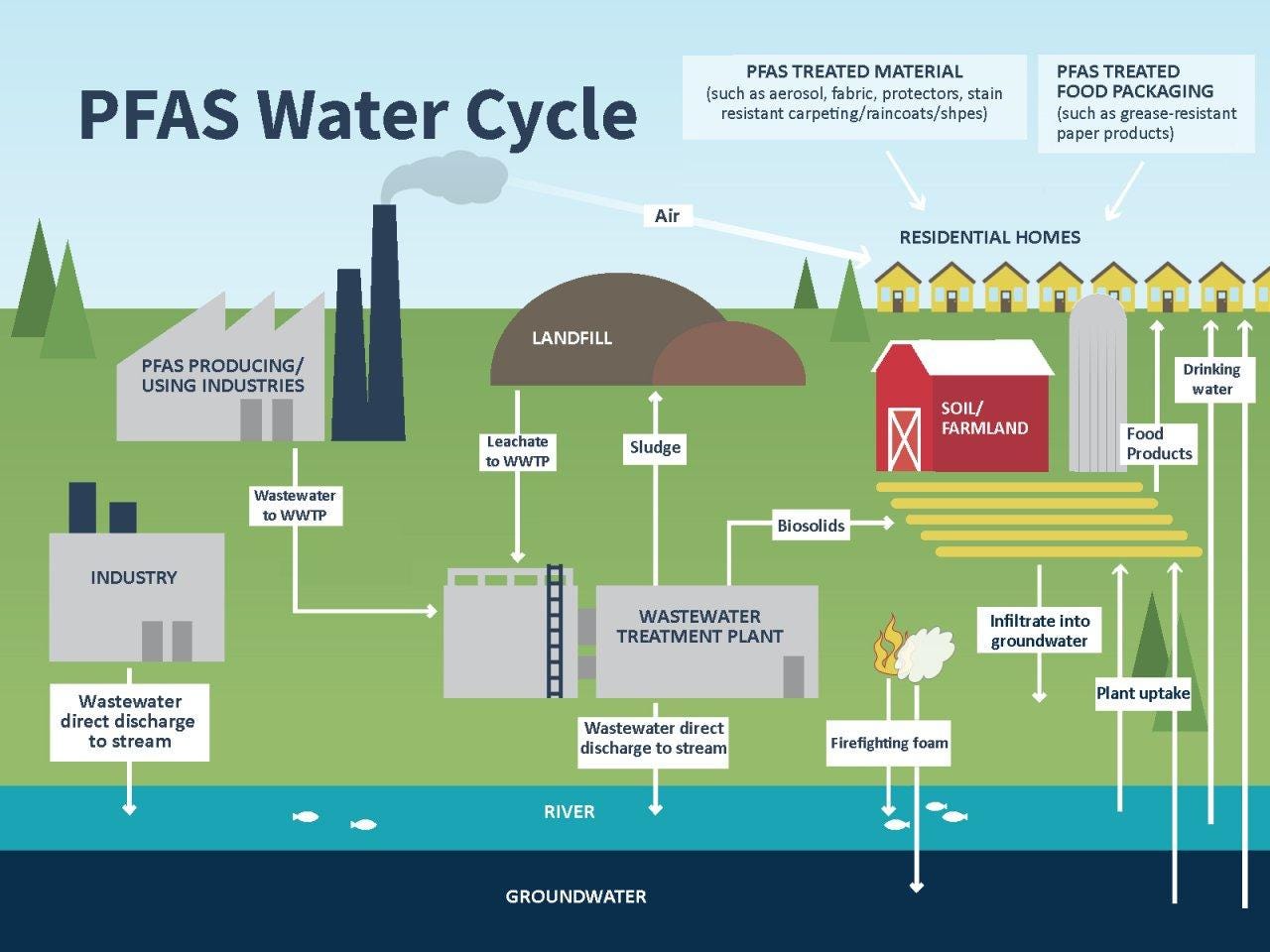
PFAS are a class of thousands of synthetic chemicals widely used to make products resistant to water, stains, and heat — properties that can be desirable in athletic apparel.
But the same durability has raised alarms. PFAS do not break down easily in the environment or the human body, earning them the nickname “forever chemicals.”
Studies have linked PFAS exposure to a range of potential health concerns, including:
Certain cancers;
Hormone disruption;
Immune system effects.
According to the U.S. National Library of Medicine, however, relatively little research has directly examined health impacts tied specifically to PFAS in textiles, leaving key questions unresolved.
What does the research say about PFAS? Here’s a round-up of peer-reviewed studies from the PubMed database.
Mounting pressure on apparel companies
The Texas investigation reflects a broader shift: PFAS concerns are no longer confined to industrial pollution or contaminated drinking water — they’re moving into closets and retail shelves.
Regulators and plaintiffs’ lawyers have increasingly targeted consumer-facing brands for:
Alleged failure to disclose PFAS in products;
Marketing that suggests “clean,” “natural,” or “health-conscious” materials;
Potential violations of safety or labeling standards.
Paxton’s office has already filed a lawsuit against fast-fashion retailer Shein, alleging its products contain unsafe levels of chemicals, including PFAS.
Separately, several U.S. states — including California and New York — have begun restricting PFAS in certain textile categories, particularly products marketed to children.
A new front in “health-first” enforcement
The probe also aligns with a broader policy push tied to the “Make America Healthy Again” agenda championed by Robert F. Kennedy Jr..
Under that framework, state and federal officials have stepped up investigations into chemicals and additives in consumer products.
Last year, Paxton launched a similar inquiry into WK Kellogg Co. over artificial food dyes. The company — now owned by Ferrero — later said it would phase out synthetic dyes by 2027.
Lululemon’s growing list of challenges
For Lululemon, the PFAS investigation adds to a difficult stretch.
The company has recently faced:
Slowing sales growth after years of rapid expansion;
Renewed concerns about product quality;
Pressure from founder Chip Wilson for leadership changes;
An ongoing search for a permanent chief executive.
In a 2024 sustainability disclosure, Lululemon said it aimed to limit certain chemical uses, including PFAS — a statement that could now draw closer scrutiny from investigators.
What this means for consumers
The case underscores a growing reality for shoppers: even products marketed as wellness-focused or performance-enhancing may face questions about hidden chemical exposure.
For consumers, experts suggest:
Looking for “PFAS-free” labels where available;
Checking brand disclosures and sustainability reports;
Monitoring recalls or enforcement actions tied to chemical use.
As regulators expand their focus, apparel — long viewed as low-risk compared to food or water — is emerging as the next battleground in chemical safety.
The bigger picture
The Lululemon investigation is part of a widening legal and regulatory wave that began with PFAS contamination in water supplies and is now reaching consumer goods.
What started as environmental litigation against chemical manufacturers is rapidly evolving into:
Product liability cases against brands;
State-level bans and restrictions;
Disclosure requirements and marketing scrutiny.
For companies, the message is clear: chemical transparency is no longer optional.
For consumers, the takeaway may be even simpler — the label on the outside of a product may not tell the whole story.
Toothpaste too
Paxton has also been investigating toothpaste companies he has said are encouraging children to use greater amounts of fluoride than is thought to be safe. In December, Procter & Gamble Co. said it would modify the amount of Crest toothpaste in its advertisements in Texas to depict age appropriate usage.