

Predatory Practices In the wake of natural disasters, communities face not just the immediate devastation but also an insidious second wave: predatory real estate investors looking to capitalize on misfortune. This phenomenon, often called “disaster gentrification,” creates an urgent opportunity for mission-driven organizations to step up and protect vulnerable homeowners.
When disaster strikes twice
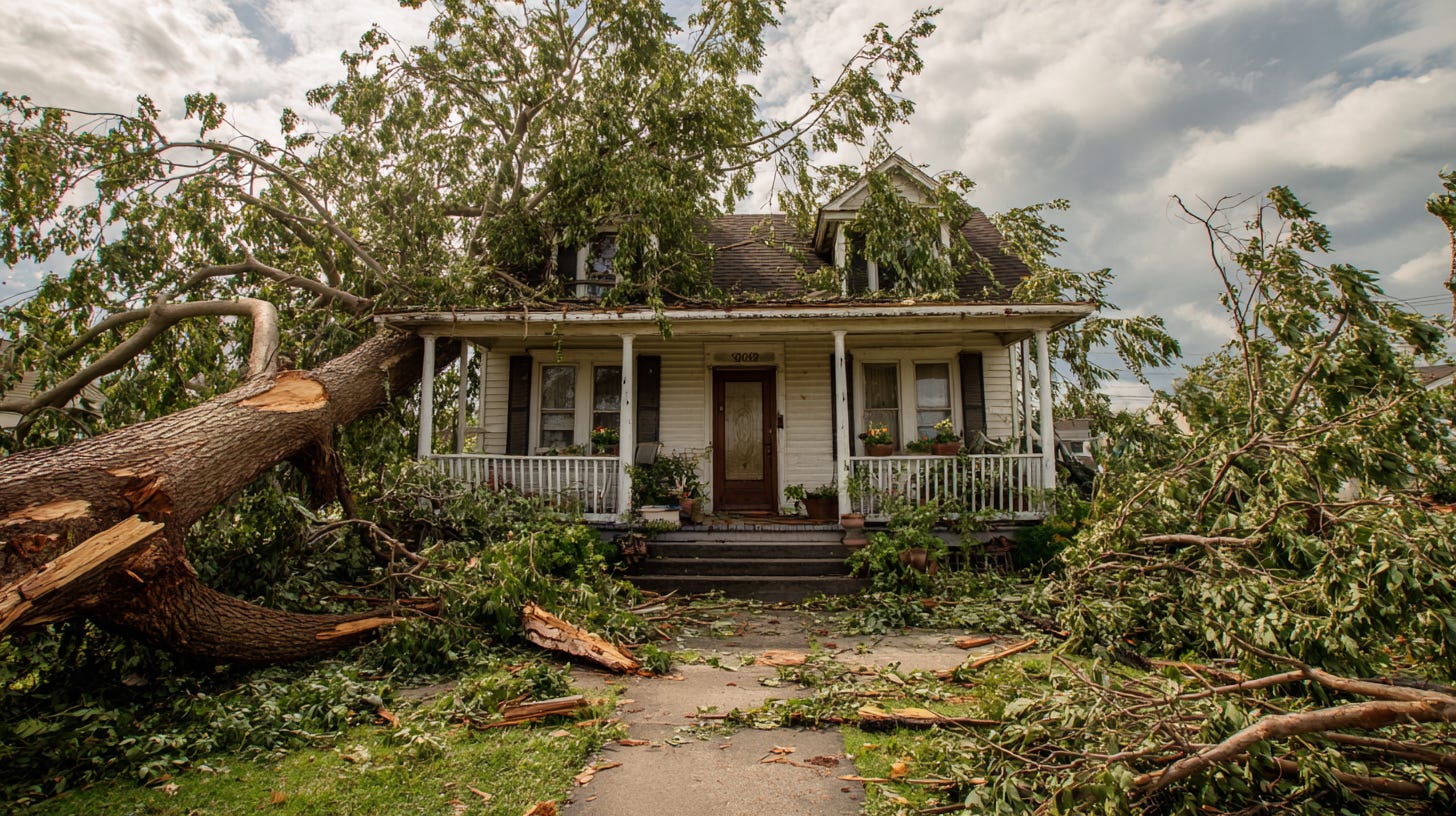
When a massive EF-3 tornado tore through St. Louis this past May, DeAmon White returned home to find the back wall of his house completely destroyed. His mother Bobbie’s home nearby lost its entire third floor. Yet amid this devastation, both faced an immediate barrage of unsolicited offers from real estate investors—what they aptly called “vultures”—eager to purchase their damaged properties at rock-bottom prices.
This predatory pattern repeats across America following disasters:
In Fairview, North Carolina, residents like Gina Miceli received constant text messages from unknown “land buyers” after Hurricane Helene triggered devastating landslides
Following California’s Eaton Fire, limited liability corporations purchased approximately half of affected properties—double their normal market share
After Hurricane Katrina, outside investors rapidly bought up properties in New Orleans’ Lower Ninth Ward, permanently altering neighborhood demographics
For community-serving organizations, these patterns represent both a crisis and a call to action.
Understanding disaster vulnerability
What makes post-disaster communities particularly susceptible to predatory practices? Several factors create this perfect storm:
1. Insurance Gaps: In DeAmon’s West End neighborhood, an estimated 63% of renters and 49% of homeowners lacked insurance. Without financial resources to rebuild, quick cash offers become tempting lifelines.
2. Unclear Property Titles: Many multigenerational homes in historically marginalized communities have what professionals call “heirs’ property” issues—properties passed down without formal legal title transfers. This complicates accessing FEMA benefits and insurance claims.
3. Immediate Financial Pressure: Displaced residents face urgent costs for temporary housing, basic necessities, and starting over—creating financial desperation that predatory buyers exploit.
4. Emotional Vulnerability: The trauma of losing one’s home creates emotional vulnerability that opportunistic investors leverage through aggressive, persistent outreach tactics.
How nonprofits can intervene
For mission-driven organizations serving vulnerable communities, addressing disaster gentrification requires both preventative work and rapid response strategies:
Before Disasters Strike
1. Title-Clearing Initiatives: Launch programs to help residents in at-risk areas resolve title issues before disasters hit, ensuring they can access full benefits and options after an event.
2. Insurance Education: Create accessible education campaigns about appropriate insurance coverage, particularly in communities with historically low insurance rates.
3. Community Land Trusts: Support the development of community land trusts that can protect affordable housing even when individual homeowners must sell.
4. Policy Advocacy: Push for regulations like those passed in Ohio and Pennsylvania requiring real estate wholesalers to disclose when homeowners might be selling below market value.
During Disaster Response
1. Legal Aid Mobilization: Partner with legal services organizations to provide free consultations about property rights, insurance claims, and evaluating purchase offers.
2. Bridge Funding Programs: Create emergency loan funds offering short-term financial support so residents aren’t forced into quick sales due to immediate cash needs.
3. Community-Based Information Networks: Establish trusted information sources within affected neighborhoods to counter misleading claims from predatory buyers.
4. Volunteer Rehabilitation Teams: Organize skilled volunteers who can help stabilize damaged homes, reducing the urgency of selling due to habitability concerns.
Success stories: Communities fighting back
Despite the challenges, some communities have successfully resisted disaster gentrification:
In St. Louis, community activism led to the redirection of $30 million from an NFL settlement toward tornado relief. The People’s Response mobilized 10,000 volunteers to help affected residents with immediate needs, creating breathing room to make thoughtful decisions about their properties.
After Hurricane Harvey hit Houston in 2017, nonprofit Texas Housers partnered with legal aid organizations to help residents navigate complex FEMA applications and insurance claims. Their work prevented hundreds of distressed sales to opportunistic investors.
In New Orleans’ Gentilly neighborhood, residents formed a community development corporation after Hurricane Katrina that purchased damaged properties from willing sellers at fair prices, later developing them as affordable housing that preserved neighborhood character and demographics.
Building long-term resilience
For nonprofit leaders, addressing disaster gentrification isn’t just about immediate response—it’s about building systems that create resilience against future exploitation:
1. Community Ownership Models: Explore cooperative housing, community land trusts, and other models that separate land ownership from building ownership to maintain affordability.
2. Financial Capability Programming: Develop ongoing financial education that helps residents build emergency savings and understand property values.
3. Disaster Preparedness Planning: Create community-specific disaster plans that include not just physical safety measures but also property protection strategies.
4. Cross-Sector Partnerships: Build relationships with ethical real estate developers, financial institutions, and government agencies willing to support equitable recovery.
Taking action today
As climate change increases the frequency and intensity of natural disasters, the threat of disaster gentrification will only grow. Nonprofit leaders can take immediate steps:
Map vulnerable communities in your service area
Identify legal and financial partners for rapid response
Create educational materials about property rights and fair valuation
Advocate for protective policies at local and state levels
As DeAmon White powerfully stated while reflecting on his St. Louis neighborhood: “I really would like the people who are in the line of gentrification to realize what it is they have, and if they can, don’t sell out.”
With thoughtful, strategic intervention, mission-driven organizations can help ensure that when disaster strikes, communities aren’t forced to choose between immediate survival and long-term stability. By protecting vulnerable homeowners from predatory practices, we preserve not just individual assets but the cultural fabric and social bonds that make communities resilient in the face of any challenge.