

A psychedelic renaissance—without guardrails
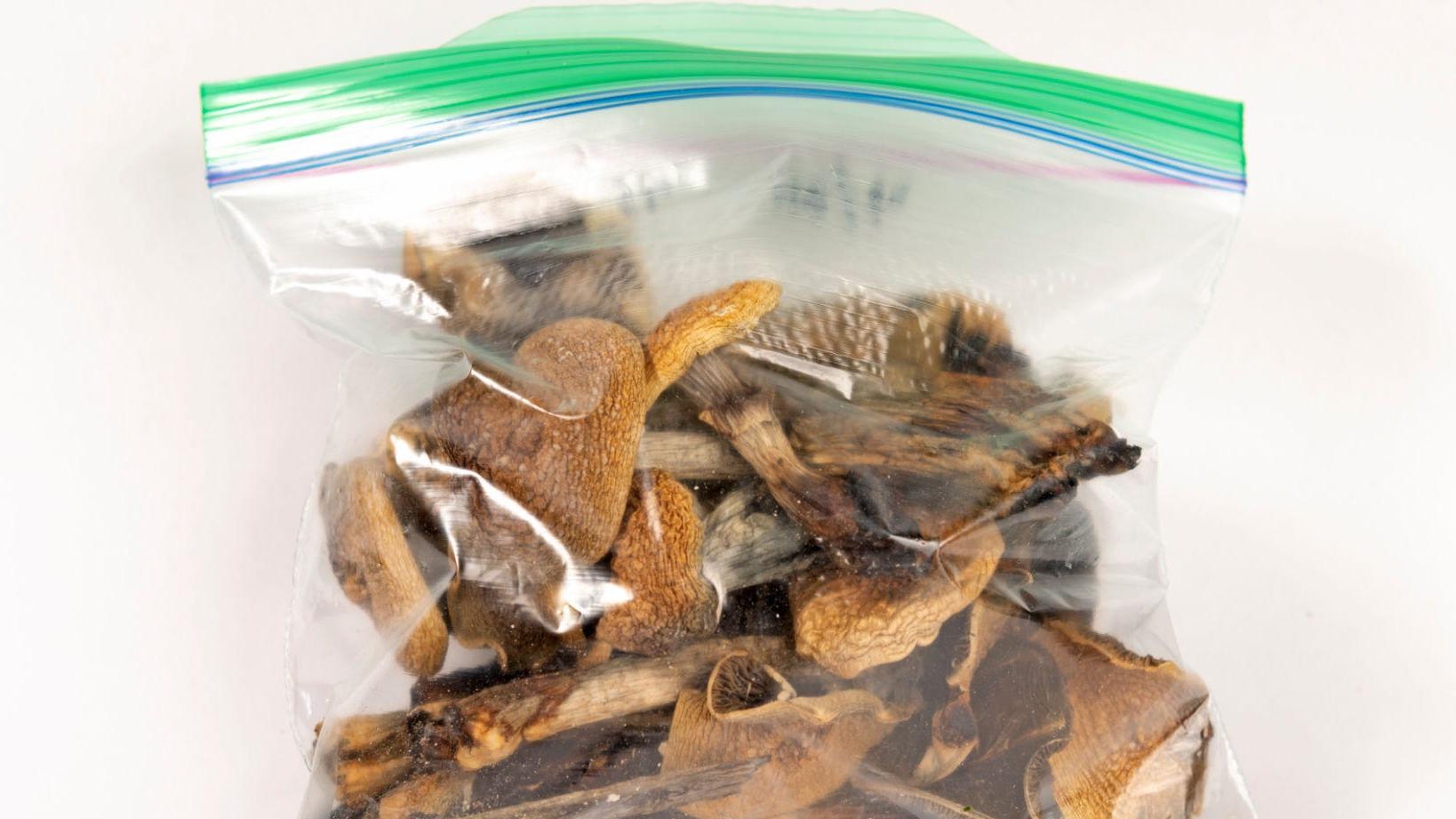
Psilocybin—the psychoactive compound in so-called “magic mushrooms”—is moving rapidly from counterculture curiosity to mainstream conversation. Once tightly restricted, the drug—found in more than 180 species of mushrooms—is now the subject of ballot initiatives, pilot programs and growing consumer demand. Public opinion is shifting alongside policy. Nearly one in four U.S. adults now supports legal use of psilocybin, a level of acceptance that mirrors early attitudes toward cannabis before widespread legalization, according to research from RAND Corporation.
But the surge in interest is colliding with a stark reality: the science, medical infrastructure and regulatory systems needed to support safe use are still catching up.
What the science actually shows
Clinical research into psilocybin has accelerated in recent years, with early studies suggesting potential benefits for conditions such as treatment-resistant depression, post-traumatic stress disorder and substance use disorders.
Scientists believe the compound may work in part by altering brain connectivity and boosting neuroplasticity—the brain’s ability to reorganize and form new patterns—potentially leading to lasting psychological changes, an arXiv report found.
In controlled clinical settings, patients often receive psilocybin alongside guided psychotherapy, a combination that appears critical to outcomes. MDPI research reviews note that, when administered with professional support, psychedelics can produce “profound psychological insights” and lasting improvements in mood and behavior.
But experts caution that this body of evidence is still relatively small, with many studies involving limited sample sizes and highly controlled environments that don’t reflect real-world use.
A widening gap between hype and evidence
Despite these limitations, psilocybin is increasingly marketed—sometimes implicitly—as a breakthrough or even a cure-all for mental health challenges.
That framing concerns researchers.
The current wave of enthusiasm has outpaced the slow, methodical process required to establish safety, dosage standards and long-term effects. Much of the existing research is preliminary, and large-scale clinical trials are still underway or incomplete.
Even regulators appear hesitant. The recent rejection of MDMA-assisted therapy by the U.S. Food and Drug Administration—despite promising trial results—underscores how high the bar remains for psychedelic approval and how much uncertainty persists.
In short, while psilocybin may hold therapeutic promise, the evidence base is not yet robust enough to support widespread, unsupervised use.
Legal gray zones and fragmented oversight
Complicating matters is a patchwork of laws and policies.
At the federal level, psilocybin remains a Schedule I substance under the Controlled Substances Act, meaning it is officially classified as having “no accepted medical use.”
At the same time, states and cities are experimenting with decriminalization and regulated access programs. Oregon has launched a supervised psilocybin services system, while other jurisdictions are exploring similar models.
Internationally, some countries are moving even faster. Australia, for example, has allowed psychiatrists to prescribe psilocybin for certain conditions under strict controls.
The result is a fragmented landscape where access, legality and safety standards vary widely depending on location—creating confusion for consumers and challenges for enforcement.
The risks of going it alone
One of the biggest concerns among researchers is the growing number of people using psilocybin outside clinical settings—often without medical screening, preparation or follow-up care.
While psilocybin is generally considered to have low physical toxicity, its psychological effects can be intense and unpredictable. Experts warn that unsupervised use can trigger anxiety, trauma or lingering perceptual disturbances in some individuals, The Guardian reports.
These risks are heightened in unregulated environments, such as underground therapy sessions, retreats or informal “guides” with little or no formal training.
Investigations into the burgeoning psychedelic industry have already uncovered cases of misconduct, inadequate safeguards and even abuse, highlighting the dangers of a fast-growing field operating ahead of clear standards.
A system not yet built for scale
Even if psilocybin ultimately gains broader medical approval, experts say the healthcare system is not yet equipped to deliver it safely at scale.
Unlike traditional medications, psychedelic treatments require extensive preparation, supervised sessions and integration therapy afterward—making them resource-intensive and difficult to standardize.
There are also unresolved questions about:
Who is qualified to administer treatment
How to screen patients for risk
What constitutes appropriate dosing and follow-up care
How insurance and reimbursement would work
Without clear answers, expanding access too quickly could expose patients to harm and undermine the credibility of the field.
What this means
For consumers, the growing visibility of psilocybin presents both opportunity and risk.
On one hand, the compound may represent a genuinely new approach to treating stubborn mental-health conditions—especially for patients who have not responded to conventional therapies.
On the other, the current landscape is marked by uncertainty, uneven oversight and a mismatch between public enthusiasm and scientific readiness.
The bottom line: psilocybin is moving into the mainstream faster than the systems designed to study and regulate it.
Until research catches up and clearer safeguards are in place, experts say caution—not hype—should guide decisions about its use.