


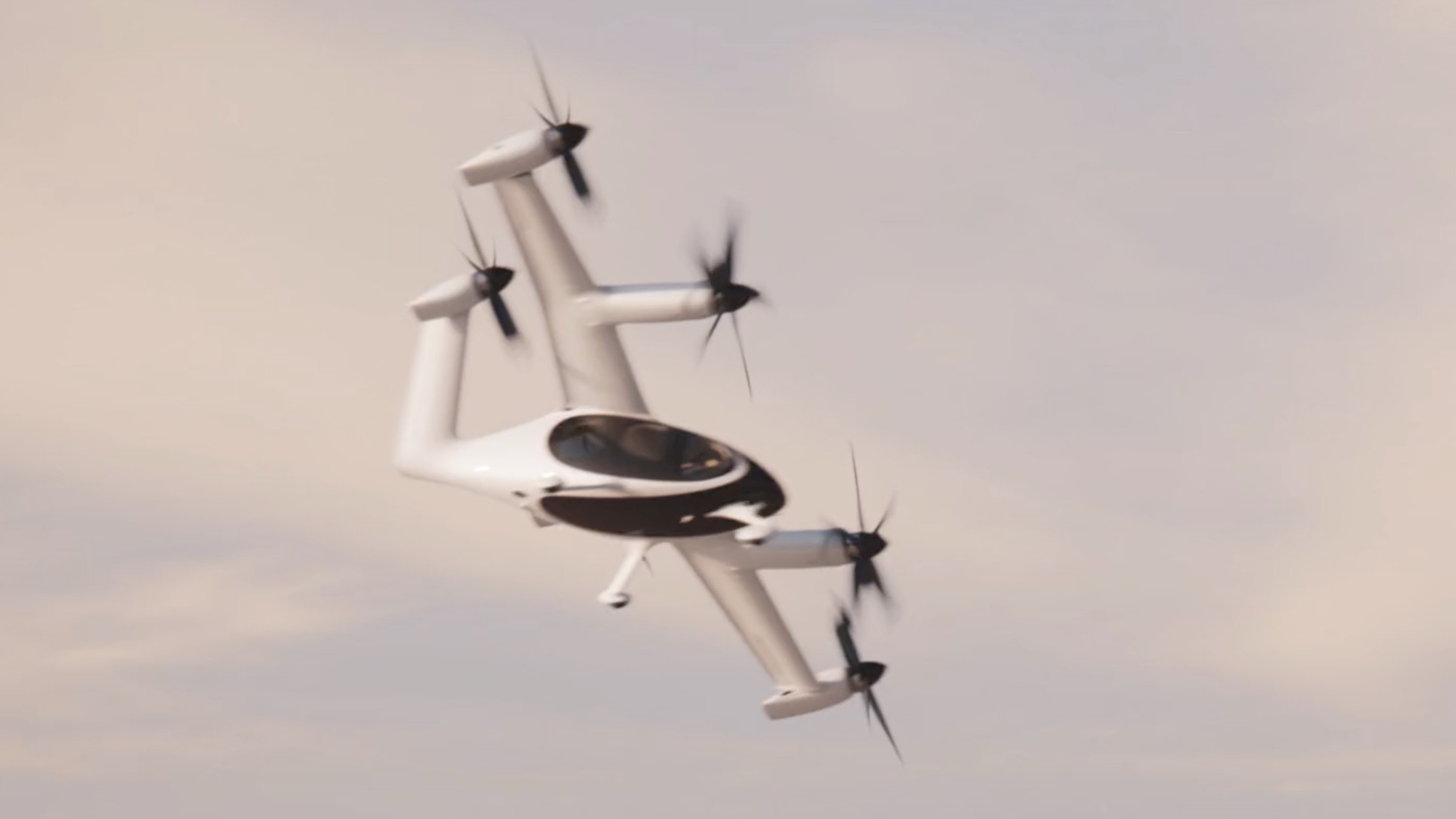
A test for quieter urban flight
Joby Aviation is set to conduct a series of demonstration flights in New York City this week, pitching its electric air taxi as a quieter, cleaner alternative to traditional helicopters in one of the nation’s most noise-plagued urban corridors.
The planned trips — running between John F. Kennedy International Airport and Manhattan heliports — mark the city’s first true point-to-point flights of an electric vertical takeoff and landing aircraft, or eVTOL. The flights will carry pilots but no passengers.
Company executives say the goal is simple: convince a skeptical public that the future of short-haul urban air travel doesn’t have to sound — or feel — like today’s helicopter traffic.
Noise, safety, and a fed up public
New York’s skies have become increasingly crowded with tourist and commuter helicopters, driving a surge in complaints. City data shows noise complaints jumped from roughly 3,300 in 2019 to about 59,000 in 2023 — a nearly 20-fold increase.
That frustration has been compounded by safety concerns, including a fatal crash last year that intensified scrutiny of helicopter operations.
Joby CEO JoeBen Bevirt argues the company’s aircraft could dramatically reduce that burden.
“Instead of the low-frequency thumping of a helicopter that shakes buildings, the sound is more of a ‘whoosh’ that blends into the background,” Bevirt said.
The company claims its aircraft are “a hundred times quieter” than conventional helicopters — a figure that, if borne out in real-world conditions, could reshape the debate over urban air mobility.
“New York has always been a city that defines the future by demanding better,” Bevirt said in a news release. “We first flew here in 2023, and now we’re showing what the next chapter looks like: a quiet, zero operating emissions air taxi service designed to better serve New Yorkers.“
How the flights will work
The demonstration flights will follow existing helicopter corridors operated by Blade Urban Air Mobility, which Joby acquired. Routes will connect JFK with:
West 30th Street heliport (Hudson Yards)
East 34th Street heliport
Downtown Manhattan heliport
Over a 10-day period, multiple flights are planned to give regulators, city officials, and the public a chance to observe — and hear — the aircraft in action.
A federal push to speed adoption
The flights are part of a broader federal initiative led by the United States Department of Transportation to accelerate the rollout of air taxis in U.S. cities. The initiative is the result of an executive order issued by President Trump in June 2025.
Selected companies are being allowed to test operations, build infrastructure plans, and introduce the concept to the public before full commercial approval.
But the biggest hurdle remains regulatory.
Joby still needs certification from the Federal Aviation Administration before it can carry paying passengers — a process that has delayed earlier timelines.
Despite past setbacks, the company says it aims to launch commercial service as soon as the second half of this year in markets including New York, Texas, and Florida.
Safety claims under the microscope
Joby is also emphasizing safety — another key barrier to consumer acceptance.
Its aircraft feature:
Six propellers
Dual electric motors per propeller
Separate battery systems
Triple flight computers
The company says this layered redundancy exceeds traditional helicopter design standards.
Joby’s Rob Wiesenthal framed the difference in stark terms:
“Most helicopters weren’t designed for passengers. Boarding one can feel like climbing into a cement mixer. Joby feels more like stepping into a car.”
What this means for consumers
For travelers, the promise is appealing: faster airport transfers without the noise, emissions, or perceived risks of helicopters.
But key questions remain:
Cost: Early air taxi services are expected to be priced at a premium
Availability: Limited routes and infrastructure could constrain access
Regulation: FAA certification timelines remain uncertain
Public acceptance: Noise and safety claims will face real-world scrutiny
Affordability Watch
Even if the technology succeeds, affordability could determine whether air taxis become a mass-market option or remain a luxury service.
Current helicopter transfers between JFK and Manhattan can cost hundreds of dollars per seat. While electric aircraft may reduce operating costs over time, initial pricing is likely to target high-income travelers and business customers.
The broader consumer impact — including whether competition or scale eventually lowers prices — is still an open question.
The bottom line
Joby’s New York flights are less about transportation — for now — and more about persuasion.
If the aircraft truly delivers on its promise of dramatically quieter, safer urban flight, it could help unlock a new layer of mobility in congested cities.
If not, it risks being dismissed as another high-tech solution that never quite lands with the public.