


Early-season spike brings rare fatalities
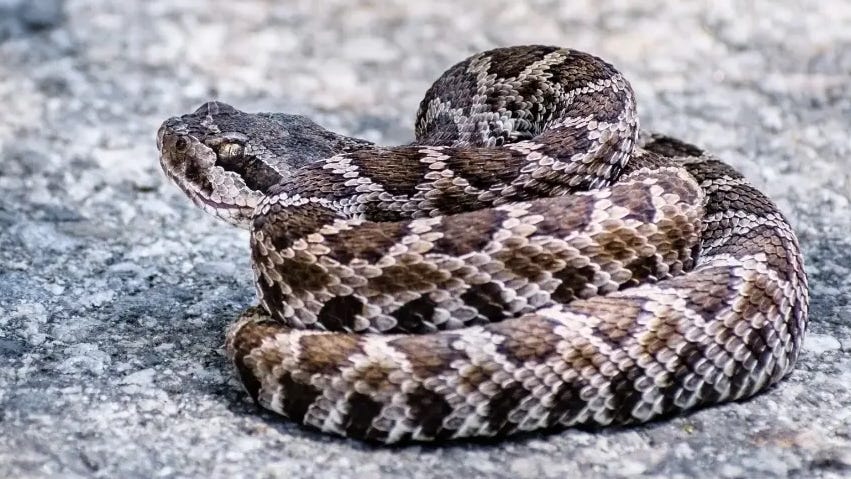
An unusually active start to rattlesnake season in Southern California and elsewhere in the West has already turned deadly, with two people dying from bites in recent weeks and multiple others injured, according to local officials and media reports.
A 46-year-old woman died five days after being bitten while hiking at Wildwood Regional Park in Ventura County, while a 25-year-old man succumbed weeks after a bite suffered during a mountain bike ride in Orange County, according to Patch.
Authorities say the incidents are part of a broader uptick in encounters. Ventura County alone reported four rattlesnake bites in just a few days in March—nearly half of the nine total cases recorded for all of 2025.
While thousands of venomous snake bites occur annually in the U.S., fatalities remain rare—typically around five per year—making the recent cluster particularly alarming.
Heat wave, human activity drive encounters
Wildlife officials point to unseasonably warm temperatures as a key factor behind the surge.
Southern California has experienced record-breaking heat early in the year, pushing rattlesnakes out of dormancy sooner than usual and drawing more people outdoors at the same time.
“We’re seeing increased wildlife activity but also increased human activity,” a California Department of Fish and Wildlife spokesperson said, urging residents to remain vigilant.
Rattlesnakes are not typically aggressive but will strike when threatened or startled—especially along trails, in tall grass, or near rocks and logs where they often hide.
The hidden cost: $300,000 for survival
Beyond the immediate danger, the financial toll of a rattlesnake bite can be staggering.
Treatment costs can exceed $300,000, driven largely by the price of antivenom, which can run between $6,000 and $10,000 per vial. Victims may require anywhere from five to 20 vials depending on the severity of the bite.
One California family faced such a bill after their toddler was bitten in a backyard incident. The child survived—but the treatment costs alone reached roughly $300,000, Patch reported.
The high cost underscores a growing affordability concern, particularly for uninsured or underinsured patients facing emergency care.
What this means for consumers
The early spike in rattlesnake activity highlights a dual risk for consumers: physical danger and financial exposure.
Even with insurance, high-cost emergency treatments like antivenom can result in significant out-of-pocket expenses, surprise billing, or prolonged disputes over coverage.
At the same time, the incidents serve as a reminder that climate-driven shifts—such as earlier heat waves—can have direct, real-world consequences for public safety and healthcare costs.
Safety guidance: what to do—and not do
Officials are urging hikers and residents to take basic precautions:
Stay on marked trails and avoid tall grass or brush
Wear boots and long pants when hiking
Keep pets on a leash
Never approach or attempt to handle a snake
If bitten, experts emphasize one priority: get to a hospital immediately.
Outdated first-aid methods—such as cutting the wound, sucking out venom, applying ice, or using a tourniquet—are strongly discouraged and can worsen outcomes.
Where they’re found
You might think rattlers are unique to the Southwest but they’re actually found throughout the Americas but tend to make contact with humans in more densely populated areas like California, Arizona, Texas, and Nevada. Timber rattlesnakes are found in forests from the Carolinas to parts of the Northeast
Old-timers claim that Spring is the most dangerous time, as baby rattlers are hatching and crawling out into the world. They tend to be more excitable and quicker to strike while older rattlers are slightly less likely to leap into action.
Rattlesnakes are not just desert dwellers. They can be found almost anywhere. If you’re outside, stay alert and, as the saying has it, watch your step. Many accidents happen when an unlucky human steps on a rattler. It’s worth noting that leather boots provide protection. Flip-flops and joggers don’t.
Bottom line
Rattlesnake encounters are still relatively rare, and deaths even rarer. But the early-season fatalities—and the eye-popping cost of treatment—are putting a spotlight on a growing public safety issue.
With warmer weather expected to continue, officials warn that the danger is just beginning.