


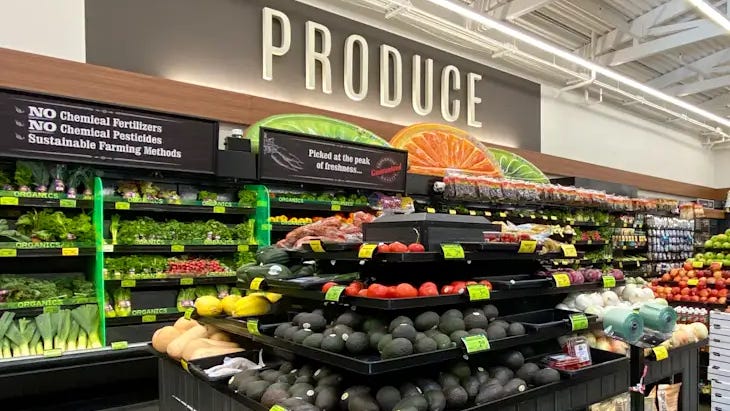
A new version of the Environmental Working Group’s annual pesticide guide is again putting strawberries, spinach and other produce staples under scrutiny — just as many consumers are already feeling pressure from rising grocery bills.
The guide, known for its “Dirty Dozen” and “Clean Fifteen” lists, ranks fruits and vegetables based on pesticide residues found in federal testing. The message is simple: some produce is more heavily contaminated than others, and choosing organic for those items may reduce exposure.
But for many shoppers, the decision is no longer just about health — it’s about cost.
Organic produce can carry price premiums of 20% to 100% or more, depending on the item and region. That leaves consumers weighing competing priorities: minimize pesticide exposure or stretch a tightening food budget.
What’s on the ‘dirty dozen’ — and why it matters
The latest list again highlights a core group of produce items that consistently test higher for pesticide residues.
Dirty Dozen (highest residues)

Common entries include:
Strawberries
Spinach
Kale and collard greens
Grapes
Peaches and nectarines
Apples
Pears
Cherries
Berries (blueberries, blackberries)
Potatoes
According to EWG’s analysis, a large majority of samples in this group carry detectable pesticide residues — often multiple types on a single item.
That doesn’t necessarily mean they are unsafe by federal standards. But EWG argues that cumulative exposure, especially to certain chemicals, raises concerns — particularly for children.
Where consumers can save: the ‘Clean Fifteen’
On the flip side, the guide also identifies produce with consistently low or minimal pesticide residues — offering shoppers a way to save money without significantly increasing exposure.
Clean Fifteen (lowest residues)
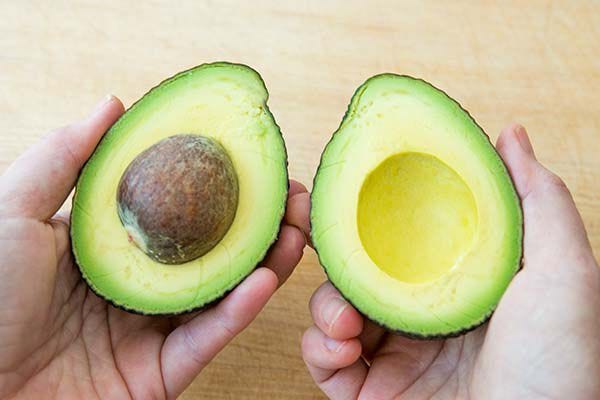
Typical items include:
Avocados
Sweet corn
Pineapples
Onions
Papaya
Asparagus
Cabbage
Watermelon
Cauliflower
Bananas
Mangoes
Many of these have protective peels or naturally lower pesticide retention, making them safer bets for conventional purchases.
Affordability watch: when “eat healthy” gets expensive
For consumer advocates, the biggest concern isn’t pesticide exposure alone — it’s what happens when cost drives people away from produce entirely.
Numerous studies have shown that higher prices for fresh fruits and vegetables lead to reduced consumption, especially among lower-income households.
That creates a paradox: guidance intended to improve health may unintentionally discourage it if consumers feel they must choose pricier organic options — or skip produce altogether.
“Any fruits and vegetables are better than none,” remains a key message echoed by nutrition experts and even the guide’s authors.
Critics say risk may be overstated
Not everyone agrees with the guide’s framing.
Industry groups and some scientists argue that pesticide residues found in federal testing are overwhelmingly within safety limits established by regulators. They caution that emphasizing residue rankings without context could create unnecessary fear.
Federal agencies such as the USDA and EPA maintain that the U.S. food supply is among the safest in the world, and that pesticide levels detected in produce are typically far below thresholds considered harmful.
What shoppers can do right now
For consumers trying to navigate the trade-offs, experts suggest a practical, middle-ground approach:
Prioritize organic selectively
Focus on high-residue items like strawberries, spinach and applesSave on low-risk produce
Buy conventional versions of items like avocados, bananas and onionsWash produce thoroughly
Rinsing under running water can remove dirt and some residuesDon’t cut back on fruits and vegetables
The long-term health benefits outweigh the risks of typical pesticide exposure
The bottom line
The EWG guide offers a useful roadmap — but not a mandate.
For most consumers, the smartest strategy may be balancing cost and exposure: spending a little more where it counts, saving where it doesn’t, and continuing to prioritize fruits and vegetables in any form they can afford.
In an era of rising food prices, that balancing act is becoming harder — and more important — than ever.
How to shop smarter using the pesticide guide
If you’re on a budget:
Go organic for: strawberries, spinach, apples, grapes
Go conventional for: avocados, bananas, onions, corn
Quick rule of thumb:
Thin skin = higher residue risk
Thick peel = lower risk
Don’t forget:
Washing helps — but doesn’t eliminate all pesticides
Frozen produce can be a lower-cost alternative
Nutrition matters more than perfection