


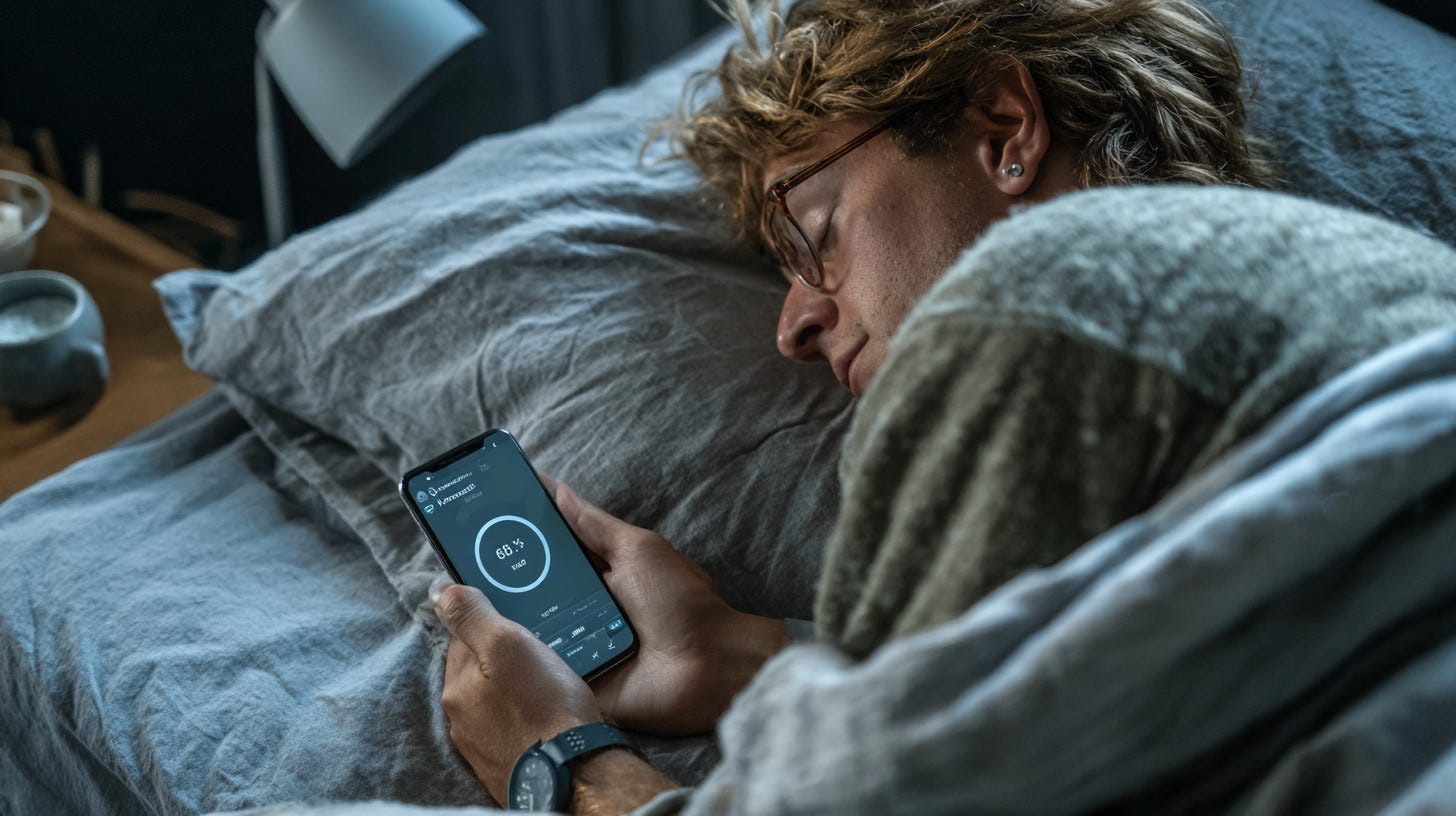
Sleep tech boom comes with a warning
Millions of consumers now rely on smartwatches, fitness bands and smartphone apps to track their sleep, but a new study suggests the technology may not be helping everyone rest easier.
Researchers at the University of Bergen surveyed more than 1,000 adults in Norway and found that while sleep-tracking apps can improve awareness of sleep habits, they may also increase anxiety among people who already struggle with insomnia.
The study found that 46% of respondents had used a sleep-tracking app or wearable device. Among those users, about 15% said the technology improved their sleep, while only a small percentage reported that it made their sleep worse. However, people with insomnia symptoms were far more likely to experience negative effects from tracking their sleep.
“The results indicate that sleep tracking may not be suitable for everyone,” the researchers concluded.
When sleep data becomes a source of stress
The findings highlight a growing phenomenon known as “orthosomnia,” a term used to describe an unhealthy obsession with achieving perfect sleep metrics.
Many sleep apps generate nightly scores based on estimates of sleep quality, duration and sleep stages. While those numbers can provide useful information, they are not the same as clinical sleep studies conducted in a laboratory.
For some consumers, particularly those already worried about their sleep, a low score can trigger additional stress.
Instead of reassuring users, the data may reinforce concerns that they are not sleeping well enough. Researchers found that increased worry about sleep was the most commonly reported negative effect among users.
That can create a vicious cycle: anxiety about sleep makes it harder to sleep, which leads to more worrying and more attention to sleep metrics.
Data box
University of Bergen sleep-tracking study
Adults surveyed: 1,002
Current or previous sleep-app users: 46%
Users reporting improved sleep: ~15%
Users reporting worsened sleep: ~2.3%
Most common benefit: Better awareness of sleep habits
Most common drawback: Increased worry about sleep
Group most likely to report negative effects: People with insomnia symptoms
A booming consumer market
The findings arrive as the sleep-tech industry continues to expand rapidly.
Major products from companies such as Apple, Google Fitbit, Samsung, Garmin and Oura promise insights into sleep quality, readiness, recovery and overall health.
Industry analysts estimate that tens of millions of Americans now use wearable devices that provide some form of sleep monitoring. The devices have become increasingly sophisticated, offering daily recommendations, sleep coaching and long-term trend analysis.
Yet sleep specialists have long cautioned that consumer devices are best viewed as wellness tools rather than medical diagnostic instruments.
Why insomnia sufferers may be especially vulnerable
Researchers found that younger adults reported both the greatest benefits and the greatest drawbacks from sleep tracking.
People experiencing insomnia symptoms were especially likely to report negative effects.
The concern is that users who are already preoccupied with sleep may place too much trust in a device’s estimates. If a tracker reports poor sleep, users may feel tired or worried even when they subjectively feel rested.
Sleep experts say that perception matters. Clinical treatment for insomnia often focuses on reducing anxiety about sleep and helping patients develop confidence in their ability to rest naturally.
Constant monitoring can sometimes undermine that process.
What this means for consumers
The researchers are not recommending that consumers abandon sleep trackers altogether.
Instead, they suggest treating sleep data as one piece of information rather than a definitive judgment about health.
Consumers who find themselves becoming anxious about sleep scores may benefit from focusing on broader sleep habits, including:
Maintaining a consistent sleep schedule.
Limiting caffeine late in the day.
Reducing screen exposure before bedtime.
Creating a comfortable sleep environment.
Paying attention to how rested they feel rather than obsessing over nightly metrics.
For most users, sleep trackers appear to be helpful or neutral. But the new findings suggest that for people struggling with insomnia, the pursuit of perfect sleep data may become another obstacle to getting a good night’s rest.
What the research says
Sleep researchers increasingly distinguish between healthy self-monitoring and orthosomnia, a condition in which users become overly focused on optimizing sleep metrics. Previous studies have found that consumer sleep trackers can overestimate or underestimate sleep quality compared with clinical sleep testing, making it important to interpret scores cautiously rather than treating them as medical diagnoses.