

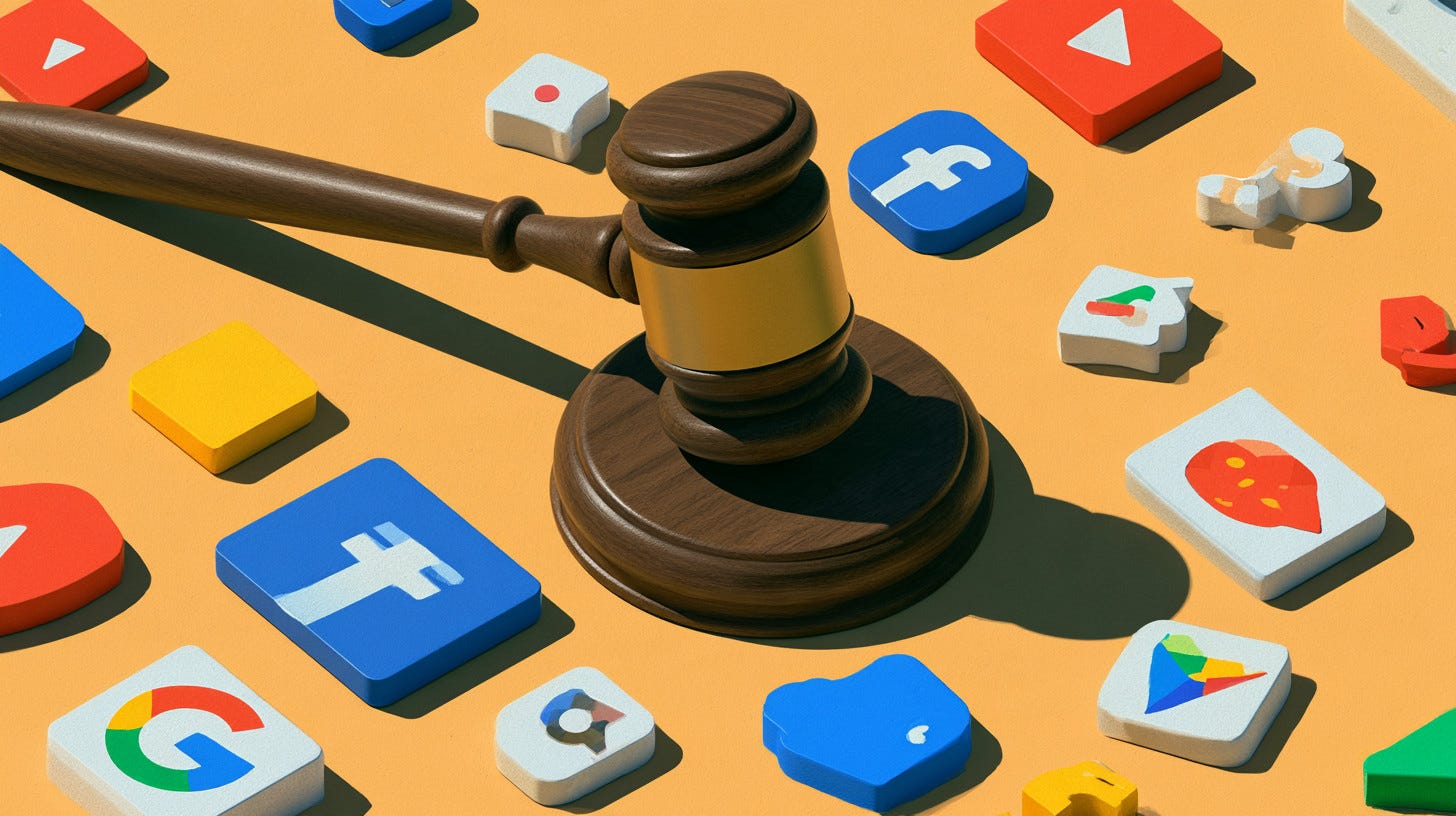
No social media platform wants to be found to have lured its youthful users into becoming “addicted.” That would risk setting a precedent that could be launch a wave of lawsuits that could be devastating to the companies.
And so it was that Snap agreed yesterday to settle a legal challenge brought by two young users, following a similar deal struck last week by Meta, publisher of Facebook, Instagram and other titles.
Jury selection was about to get under way in Los Angeles Superior Court when Snap and the lawyers for a defendant known as K.G.M., who argued that her frequent use of Snap had caused her mental health issues, announced they had reached a settlement.
Companies generally agree to settle a case if it appears likely that they will lose and thereby make themselves vulnerable to similar suits by other consumers. It may also be cheaper than going to trial and can prevent some of the bad publicity that a trial can produce.
In the case of social media, it occupies an unenviable position, since there are millions upon millions of teens and pre-teens who have been frequent users of its services and who might plausibly claim they suffered mental harm as a result — a claim that lawyers say can be difficult to defend against.
And in the case of Los Angeles in particular, juries there are considered to be unusually hostile to large corporations and show no hesitancy is bringing back eye-popping verdicts. In fact, the first social media case ended in March, when a Los Angeles jury found Meta liable for $4.2 million in damages and Google for $1.8 million despite the companies’ claims that there was no proof of any harm caused by their platforms.
When the smoke clears …
Big Media has only to look at what happened to Big Tobacco when it lost a landmark case that resulted in s $206 billion settlement, one of the largest in history and one that forced the company to sponsor ads about the dangers of smoking and to compensate states for the costs they had incurred because their citizens became ill from smoking.
In the Big Tobacco case, the cigarette companies argued there was no scientific evidence that smoking caused lung cancer, just as the Big Media companies now argue there is no scientific proof that spending too much time on social media causes mental illness and other health issues — arguments that have been proven to hold little appeal for jurors.
A judge in New Mexico has already fined Meta $25 billion after a jury there found that Facebook had misled its users about data privacy and hate speech. You could say that cases aren’t related but they show that judges and juries are not very eager to be understanding when lectured by social media’s lawyers that their clients’ products are harmless.