

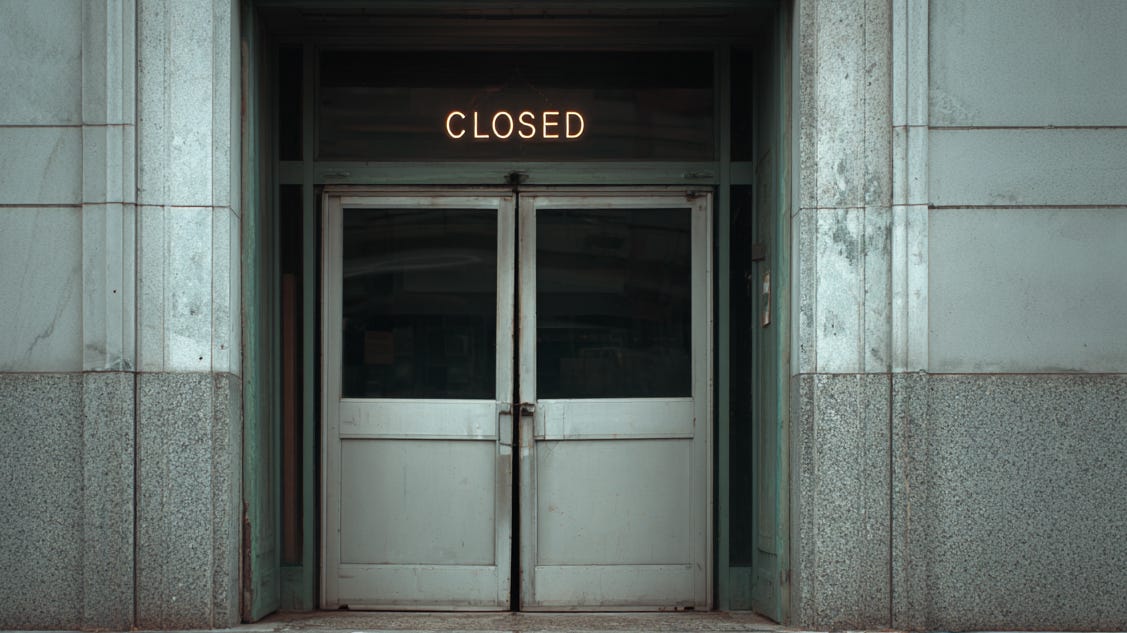
Some people are boiling mad about the government shutdown. Others think it’s proving something — just what we’re not sure. But for anyone on the fence, here’s a quick rundown of the effects, both real and potential, as the shutdown enters its second week.
SS COLA delay
Normally, the Social Security Administration (SSA) announces the annual COLA in mid-October. But that timetable’s been scrapped since the Bureau of Labor Statistics is affected by the shutdown. Monthly benefits will continue but the announcement of the adjustment may be suspended until inflation data is available.
Why it matters The COLA affects more than 71 million Americans — retirees, people with disabilities, and surviving family members. It determines how much monthly Social Security checks increase to offset inflation.
In 2025, the average retired worker received about $1,940 per month. Even a modest percentage change can mean the difference between affording or doing without rent, groceries, or prescription drugs.
HUD “paralyzed”
Trying to buy a house? Closings could stall, especially in flood-prone regions, because the National Flood Insurance Program can no longer issue or renew policies.
Enforcement of fair housing laws is also at risk, the Consumer Federation of America (CFA) warned.
“Broad, affordable, and fair access to housing is impossible without a well-functioning government,” said Sharon Cornelissen, CFA’s director of housing. “But this administration has done nothing but undermine essential housing programs and protections.”
Consumer protection sidelined
Consumer protection has been mostly abolished anyway but the shutdown ensures an even harder freeze on enforcement of laws governing predatory lending and abusive fees.
Adam Rust, director of financial services at CFA, said sidelining the Consumer Financial Protection Bureau (CFPB) gives rulebreakers “free rein” to exploit consumers. “When the government closes its doors, fraudsters stay open for business,” he said.
Investor and privacy safeguards
Investor protections may also be at risk. Corey Frayer, director of investor protection, warned that SEC enforcement has been eroded, leaving markets more exposed.
Meanwhile, CFA’s AI and data privacy lead, Ben Winters, said a weakened Federal Trade Commission and CFPB “leaves people with even less power and less hope of a fair marketplace,” particularly against online scams, data brokers, and tech platforms that resist moderation.
Food safety inspections cut
Food safety is another area of concern. Thomas Gremillion, CFA’s food policy director, noted that while USDA inspectors will keep working, many may go unpaid. At the Food and Drug Administration, routine inspections are suspended, leaving only a skeleton crew to investigate urgent cases.
With the CDC also halting surveillance analysis of foodborne illnesses, officials could be slower to detect and respond to outbreaks.
“This means authorities may be slower to solve a nationwide outbreak like the Boar’s Head Listeria case last year, which killed 10 people,” Gremillion said.
Everyday impacts
Some of these impacts may sound minor but for people in a vulnerable position — whether because of job loss, illness, low income or homelessness — any single interruption can be enough to upset their already shaky existence.
Even middle class consumers — say, for example, fired and laid-off federal workers and/or anyone struggling with student debt — are at greater risk today than at anytime in recent memory.
There’s lots of advice floating around out there but we’d like to repeat our Rule No. 1 for anyone short of ready cash: Whatever you do, don’t take out a payday loan or auto title loan. You’ll be adding to your troubles at warp speed.
Great compilation of all the ways "President" Trump has screwed Americans!