

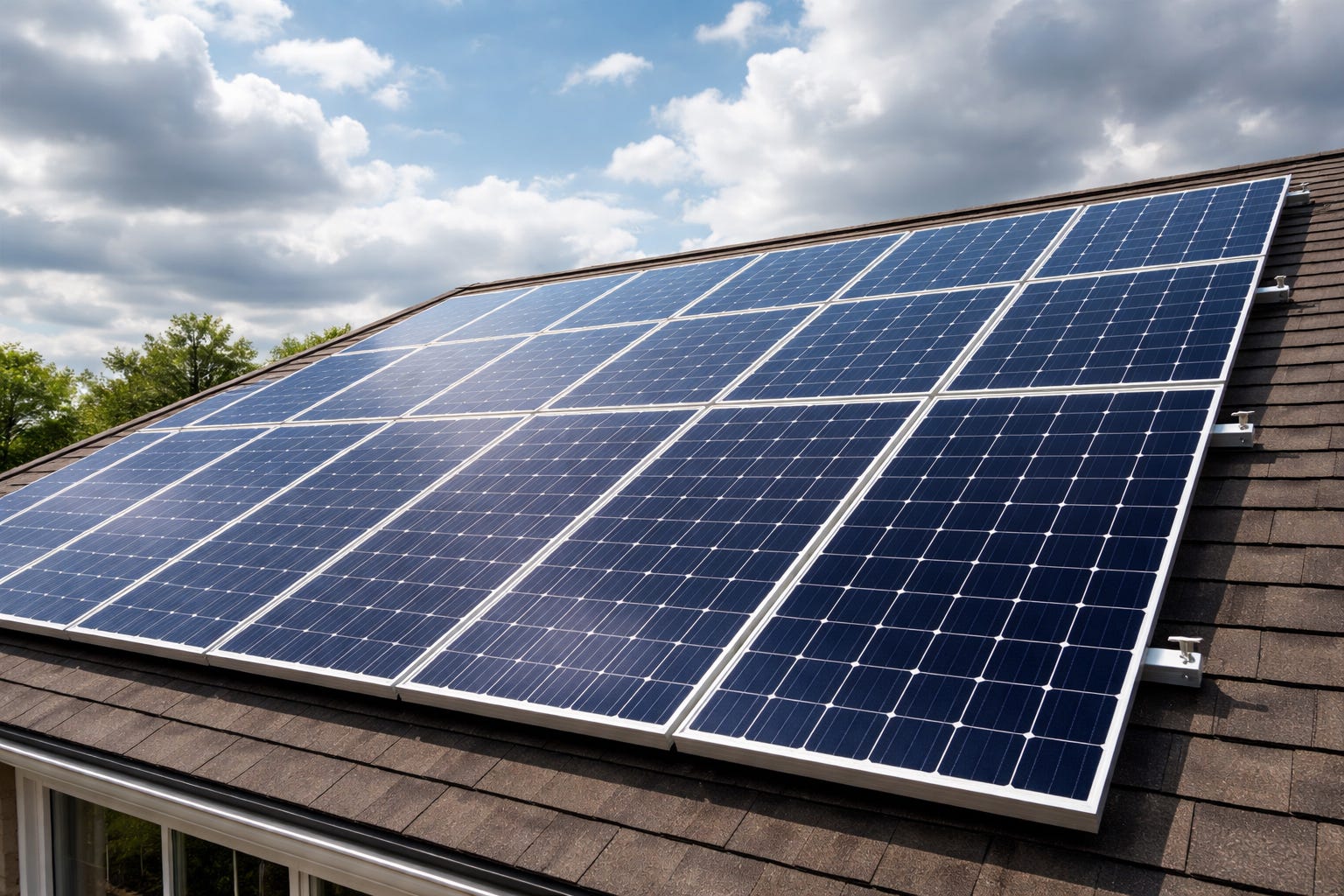
There are more homes equipped with solar panels than ever in the U.S., about 5 million at last count. And the way things generally work, that means there are more complaints about solar panels than ever before, most of them having to do with sales practices, financing, installation flubs and maintenance issues.
Donald Trump hates the things even more than wind turbines, and would rather everyone went back to coal. But they do save money for most homeowners, $1,500 per year on average, a bit more in California, where energy prices are high and there’s also a lot of sunshine.
But while the technology is pretty solid, many homeowners are having problems. The Federal Trade Commission reports a sharp upswing in consumer complaints in recent years, as do review websites.
Many, if not most, of the complaints come from the sales process. Most homeowners wind up dealing with a small company that uses independent salespeople who get all or most of their compensation in the form of commissions. This increases the pressure on seller and buyer alike and often leads to misunderstandings.
Regulating sunshine
There’s also the little matter of government bureaucracy — or regulation, if you prefer. Electricity, like water and natural gas, is a regulated utility. That means it has a large force of lobbyists training in stroking the state and local utility regulators, legislatures and media. Thanks to their lobbying strength, the utilities have won a guarantee that they’ll be paid for providing electricity, whether it comes from the sun or from “the grid,” meaning the network of power plants and transmission lines.
“But the salesman said I would get paid for the electricity my panels produce,” the homeowner might say. True, you do in fact get a few pennies per kilowatt hour but you also pay a monthly service charge to the utility just for maintaining the connection to your home. Plus, you’ll also be paying for electricity produced by the grid for the kilowatts that you use beyond your panels’ output.
Yes, it is a little bit complicated and it’s easy to get confused, especially when you’re in the hands of a slightly cleaned-up door-to-door salesman who may just tend to gloss over the details.
So, let’s take a look at the system and identify the possible trouble points.
Solar financing
For your home solar system, you need the panels that go on the roof, an interface device (called an “inverter”) that hooks your house and your panels up to the grid and you’ll probably also want a battery that supplies backup power at night and on cloudy days.
A standard three-bedroom home typically requires an 18-34 panel system that costs an average of $24,222. Add $12,000 or so for a battery backup.
That adds up to $36,000 or more, a pretty hefty sum for most people. There are basically three ways to pay for it. It’s important to understand these and be clear about exactly where your money is going.
An important note: There was a federal rebate program that produced big tax savings but it expired at the end of 2025 and is no longer in effect. Salesmen have a bad habit of glossing over that little detail and have even been known to use outdated promotional literature that still talks about the rebate.
There are three main sources of funding for solar systems:
Solar loan
This is just what it sounds like — a loan that covers all the equipment and installation you’ll need to start milking the sun. It’s similar to a home improvement loan and is looked on with favor by most lenders. It improves the value of your home and saves money on electricity, so most lenders will give you a pretty favorable rate assuming you have a good credit rating.
There are two kinds of loans:
Secured. The loan is secured by your home, like a mortgage. This gets you a better interest rate.
Unsecured. There’s no collateral and therefore the interest rate is higher, like a credit card. Solar salesmen like this because there’s less paperwork and a higher fee for them but look out! The higher interest rate may wipe out much of the savings from the solar system.
(Of course, if you have $40,000 lying around, you can just pay cash and be done with it. Salesmen will try to talk you out of this since they make more money if you finance your system through them.)
A big plus for this type of loan: you own the equipment outright. No leases, quotas, confusion.
If you get this kind of loan, you should get it from a bank, credit union or a reputable financial services company — not from the salesman, who will most likely have the highest interest rate and the most fees, add-ons, etc.
Solar lease
This is very similar to a car lease. You don’t own the equipment, you’re only leasing it. Upfront costs may be less but payments probably go up each year, there may be hidden fees and the lease can make it harder to sell your home.
PPA (Power Purchase Agreement)
To continue the car analogy, this is like taking an Uber. You don’t own the system and you don’t pay a monthly lease fee, you just pay for the power the system produces.
So the rate for the solar power the system produces will initially be less than the local utility but it will go up each year and the agreement lasts 15 to 25 years, so there’s plenty of blue sky in the solar company’s budget, not so much in yours.
One advantage is that if the system underproduces, you don’t buy as much power from the solar company. However, that means you buy it from the utility, which is probably more expensive.
A major disadvantage is that the contracts are very tight and hard to get out of. You are pretty much stuck for the length of the agreement. If you decide to sell your house, the buyer will have to assume the contract, a potential deal-breaker.
So what’s the best choice?
As usual, the answer is “it depends.” A simple solar loan or cash purchase produces the most long-term savings. Leases are often problematic because you’re stuck paying the monthly lease fee (which goes up each year) regardless of whether the system produces. And, again, it can complicate a home sale. PPAs are the most troublesome simply because you can be trapped by rates that rise faster than the utility’s rates and home sales can be even more difficult than with a lease.
“I thought I owned the system, I’m paying for it,” is probably the most common complaint from consumers and it stems from confusion over the financing options listed above and from the confusion purposely spewed by fast-talking salesmen.
Buy it if you can
All things considered, an outright purchase or loan is the cleanest deal and the one many homeowners probably think they signed up for.
Here’s another option: If you have gas or oil heat, consider getting a heat pump. The latest and greatest models will produce big savings and, at $18,000 or so, cost a lot less than a solar installation. And yes, they do work in colder climates, though you’ll want to check with contractors in your area to get a realistic estimate.
There’s another possibility as well: use the time and money you would expend on choosing, installing and fiddling with the solar system and use it to improve the energy efficiency of your home, including the heat pump idea. You can space out much of the expense, avoiding the need for loans and spend your mental energy on improving your education, employment situation or — hey, it’s your life — golf game, cooking or whatever brings you pleasure.
We bought our panels through a local co-op affiliated with Solar United Neighbors. They checked out several vendors, picked one, and negotiated the price, which compared very favorably with what you shared in the article. There was very little selling involved, other than the overall concept.
Battery backup is still in our future. Maybe an article on that itself would be in order? It's a good bit more complicated than I realized when we first embarked on our solar power journey.
Excellent breakdown of solar financing options! I went throgh this whole process last year and wish I'd read something this clear beforehand. The part about salesmen glossing over the expired rebate is so true, happened to me exacly. This should be required reading for anyone considering solar tbh.