


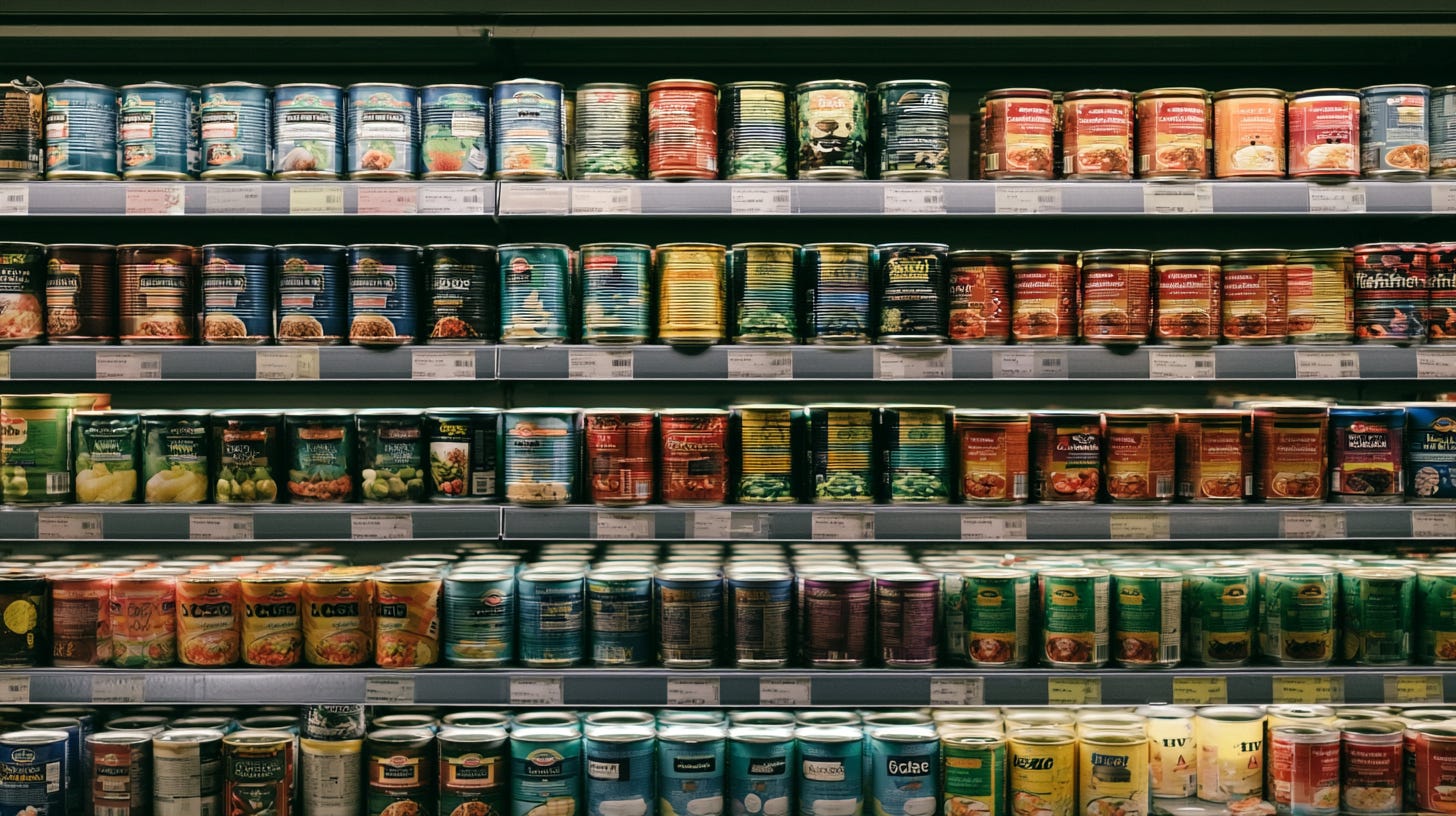
Tariffs don’t always act as expected. The Trump administration’s 50 percent tariff on imported steel is lifting the wholesale cost of the tin cans used to package fruit, vegetables, corn and beans, The New York Times reported.
The can itself accounts for roughly one-third of the wholesale cost of canned fruits and vegetables, the Times said, and tin plate is almost entirely imported.
“We are required to import all this tin plate,” Robert Breen, president of the Can Institute, said. “There’s no increase in domestic production compared to before.”
The Trump administration said it imposed the tariffs to “protect national security.” It said it wanted to ensure the U.S. retains domestic capacity to produce steel needed for national defense and critical infrastructure, so it isn't dependent on foreign suppliers in an emergency, according to the Commerce Department.
The Times described the steel tariffs as exceeding “many of Mr. Trump’s other import duties” and noted that imports of can-grade steel skyrocketed in 2025 even as the duty climbed. U.S. Steel plans to reopen a tin-plate factory, but the Times said American can makers will continue to rely heavily on foreign supply for the foreseeable future.
Price-sensitive sector
The pinch lands on the most price-sensitive grocery aisle. For households that depend on shelf-stable corn, beans and tomatoes — staples for low-income shoppers and food banks alike — the steel duty is “placing a financial strain on families that depend on essential items,” the Times reported.
The wider basket continues to send mixed signals. NBC News’ grocery price tracker showed eggs down about 30 percent from their spring 2025 peak, while orange juice was up 28 percent and ground beef up 15 percent since January 2025. Pork bacon and chicken have also risen.
Critics — including Cato — argue the real driver is protectionism for a politically influential domestic industry, and that downstream manufacturers and consumers bear higher costs.