

The April CPI laid out a granular tariff bill for households. A Bloomberg Opinion column walked through the data:
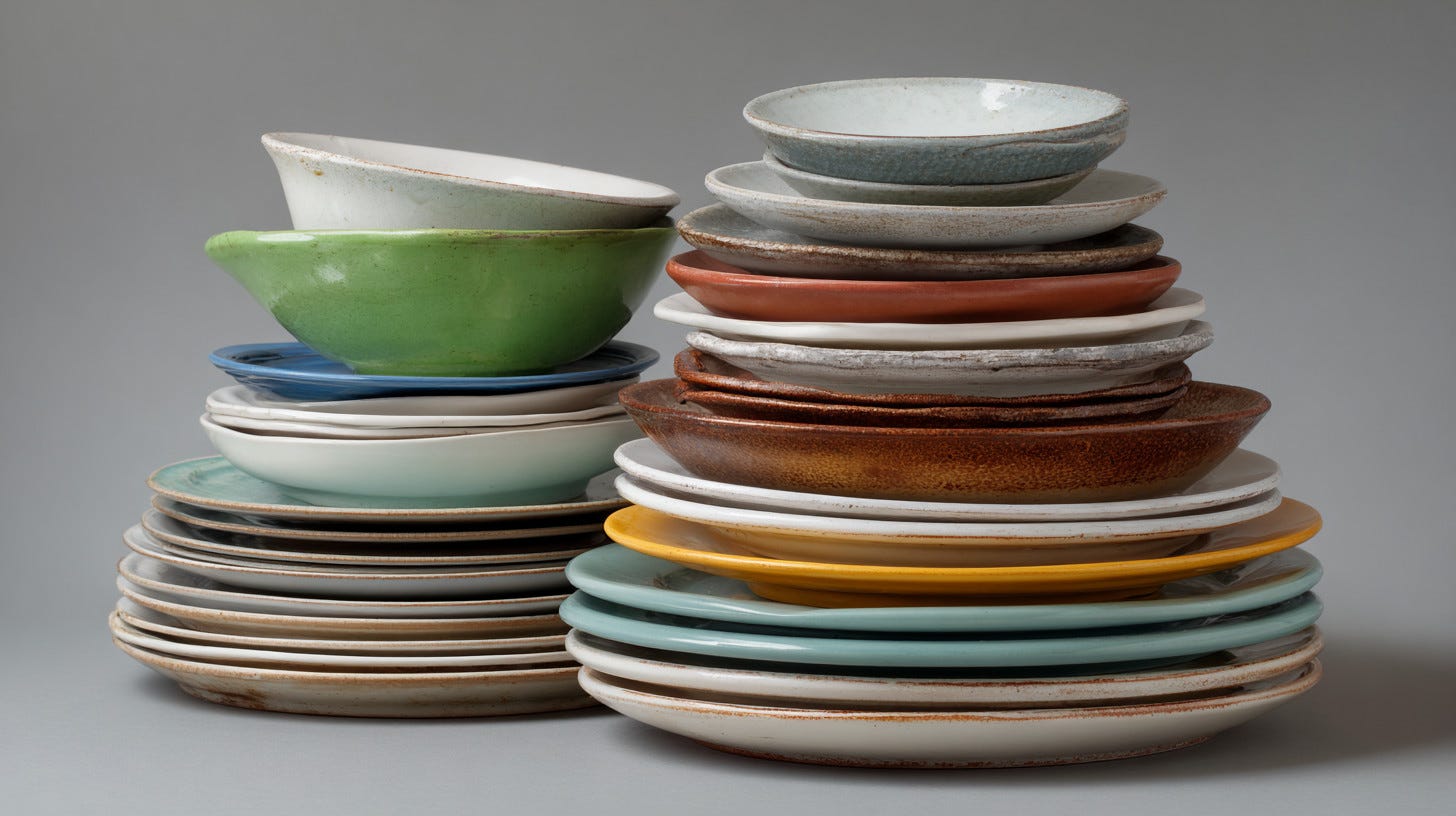
dishes were 15.4 percent more expensive in April than a year earlier,
men’s shirts were up 7.7 percent,
jewelry up 16.1 percent and
personal-computer accessories up 13.9 percent.
Those are all categories with high import exposure, not statistical noise. A typical “stock the kitchen” run that cost $200 a year ago now lists at roughly $231 before applying any cashback or warehouse-club discount.
President Trump signed a proclamation late Monday cutting tariffs on combines, harvesters and a slate of heavy industrial gear to 15 percent from 25 percent, the first sustained walk-back of the 2025 reciprocal tariffs.
But Monday’s tariff carve-outs do not move that needle for households. Combines and forklifts are not in the consumer cart.
The clearest read on whether the administration extends relief to apparel, electronics or housewares will come from the May CPI on June 11 and from the next batch of executive actions, which the White House has not yet detailed.
In the meantime, retailers are reverting to the playbook of the past 12 months: targeted price cuts on bellwether items (Clorox, Kraft Heinz), expanded value packs, and quietly pulling back tariff surcharges in categories where elasticity is highest, including beauty, where e.l.f. Beauty’s chief executive said last week the company would dial back some tariff-driven increases because “the consumer is suffering.”