

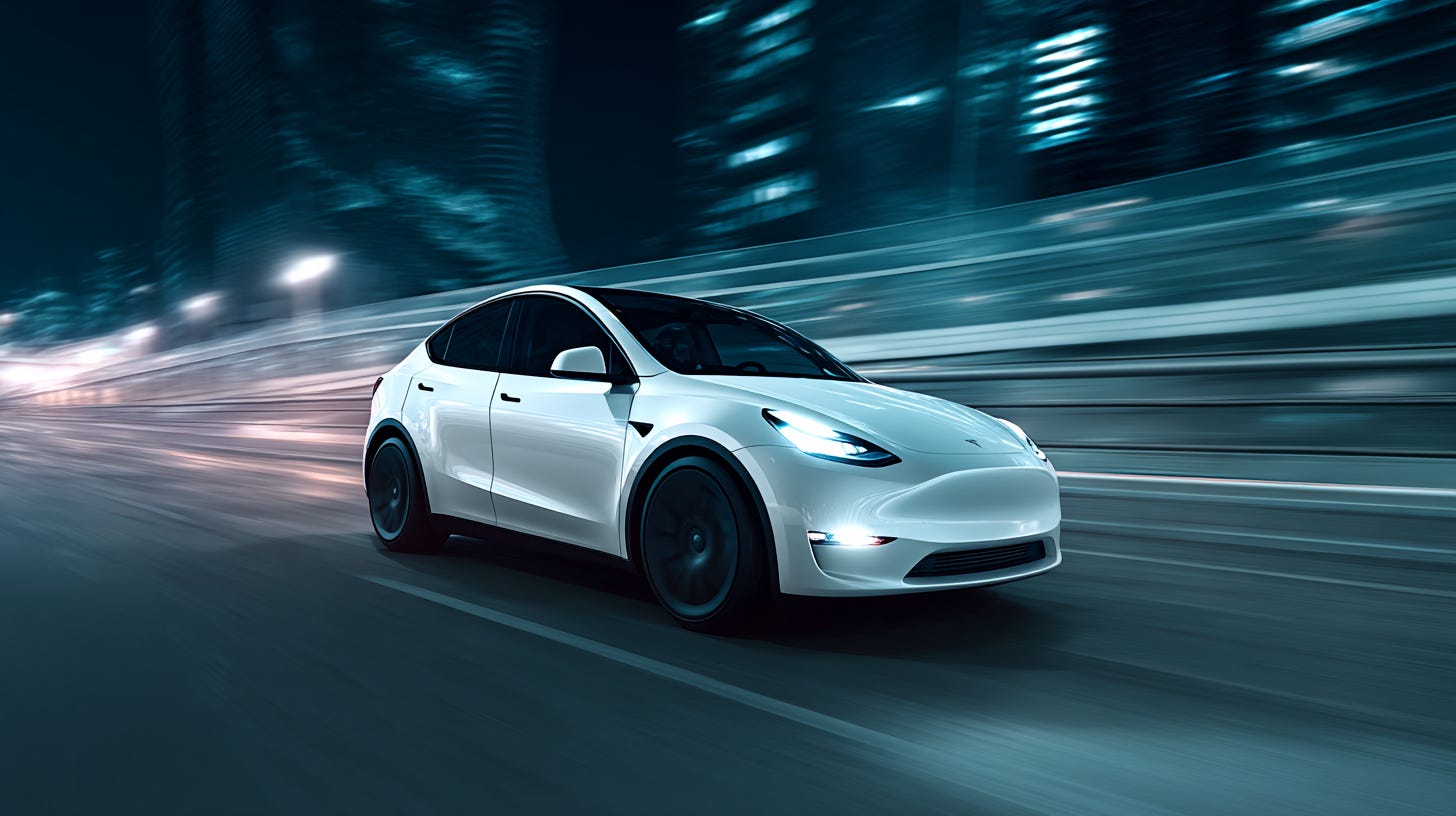
The 2026 Tesla Model Y has become the first vehicle to pass a new series of federal Advanced Driver Assistance System (ADAS) safety evaluations, marking a milestone for crash-avoidance technology while also reigniting debate over how such systems are marketed to consumers.
The announcement came from the National Highway Traffic Safety Administration (NHTSA), which said the Model Y successfully completed new testing procedures added to the government’s New Car Assessment Program.
According to NHTSA, the tests evaluated systems including pedestrian automatic emergency braking, lane-keeping assistance, blind-spot warning and blind-spot intervention.
Federal officials described the results as evidence that advanced safety technology can help reduce crashes and injuries.
It doesn’t replace drivers
But safety advocates and industry observers quickly stressed that the benchmark applies to driver-assistance features — not self-driving capability.
“Consumers should understand these systems are designed to assist attentive drivers, not replace them,” NHTSA said in its announcement.
That distinction has become especially important for Tesla because the automaker’s higher-profile “Autopilot” and “Full Self-Driving” features remain the subject of ongoing public debate and federal scrutiny.
Safety advocates: Important achievement, but context matters
Some safety analysts praised the benchmark as a meaningful step for vehicle safety technology.
Automatic emergency braking and lane-support systems have increasingly been viewed by regulators and insurers as among the most effective crash-reduction technologies now available in mass-market vehicles.
The Insurance Institute for Highway Safety and other safety groups have repeatedly pushed automakers to improve pedestrian detection and crash-avoidance systems, particularly after a rise in pedestrian fatalities nationwide.
Still, some critics argued the announcement should not be interpreted as proof that Tesla has solved broader concerns surrounding automated driving.
Electrek noted that the systems tested are increasingly common across the industry and said many competing automakers simply have not yet undergone the revised federal evaluations.
The publication also pointed out that NHTSA continues to investigate Tesla’s “Full Self-Driving” system in connection with crashes involving visibility limitations and difficult roadway conditions.
Consumer safety advocates have long expressed concern that branding terms such as “Autopilot” and “Full Self-Driving” may lead some motorists to overestimate what the technology can actually do.
Tesla has consistently stated that drivers must remain attentive and maintain control of their vehicles at all times.
A strong safety reputation — alongside controversy
The Model Y has generally performed well in traditional crash testing.
The vehicle has previously received high ratings from IIHS and other testing organizations for occupant crash protection, battery safety and rollover resistance.
Tesla supporters argue the company has helped push the broader auto industry toward faster adoption of advanced safety systems and over-the-air software updates that can improve vehicle performance after purchase.
But the company’s driver-assistance technology has also generated years of regulatory investigations, lawsuits and public criticism following crashes in which drivers allegedly relied too heavily on automated features.
Transportation safety researchers say the larger issue extends beyond Tesla alone.
Many automakers are racing to add increasingly sophisticated automation features, while regulators struggle to establish consistent standards for naming, testing and consumer disclosures.
What consumers should know
Safety experts say drivers shopping for vehicles equipped with ADAS technology should understand several key points:
Driver-assistance systems are not self-driving systems
Drivers are still legally and practically responsible for controlling the vehicle
Automatic emergency braking and lane-support systems can reduce crash risk but are not foolproof
Performance can vary in rain, fog, glare, construction zones and other difficult conditions
Drivers should regularly review software updates and manufacturer safety guidance
For consumers, the federal benchmark may ultimately signal an industrywide shift toward tougher testing of crash-avoidance technology.
But advocates say the bottom line remains simple: even the most advanced driver-assistance systems still require a fully engaged human behind the wheel.