

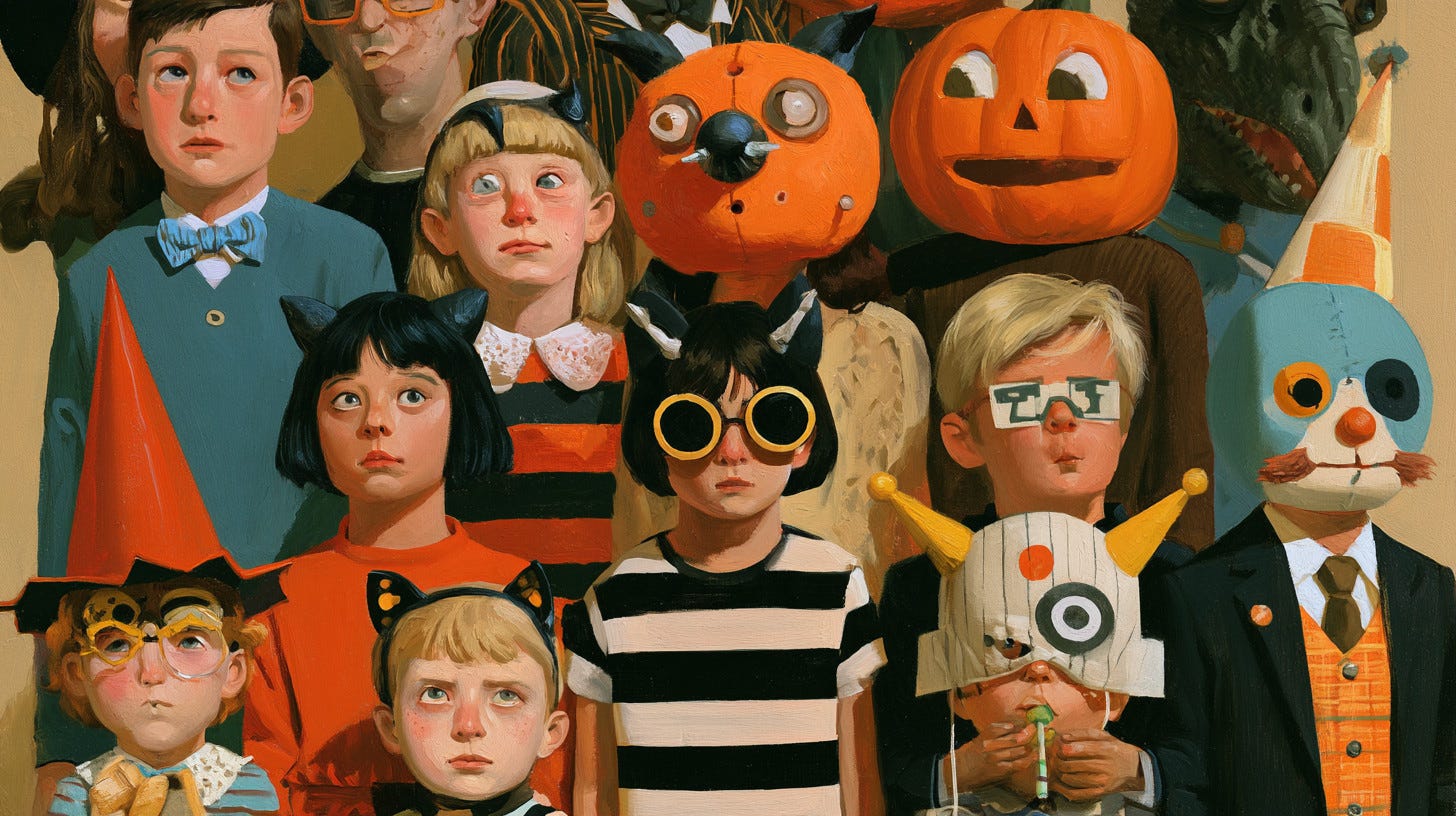
Every year, there are predictions about the cost of surviving the winter holiday season. Halloween doesn’t get as much attention, but maybe it should. Americans are forecast to spend a record $13.5 billion on Halloween this year, $4.1 billion of it on candy.
That’s $400 million above last year’s spending, according to the National Retail Federation but there are signs that at least some families are trying to cut back a bit this year, perhaps getting smaller ghouls and demons for their front yards.
“Consumers continue to make Halloween a spending priority, but they are also approaching the season with affordability in mind,” NRF Vice President of Industry and Consumer Insights Allison Zeller said.
Consumers are expected to spend an average of $115.14 per person this year, in line with $114.45 per person in 2025. Although there’s not much demand for skeletons and goblins the rest of the year, 34% of shoppers surveyed for one study said they plan to look for items they can reuse in future years or repurpose for other occasions or settings.
Sweet but costly
As for candy, it’s following the same general models as gasoline and food — sharply higher. One estimated found that a 100-piece bag of assorted candy averages $16.96 this year, up 3.5% from last year and a chunky 71% from 2021, according to CBS News.
Cocoa prices are down slightly but chocolate prices are running about 8% higher than last year.
But while prices are up, overall candy sales are down slightly. GLP-1 maybe? Perhaps, but a WalletHub survey found more than two-thirds said Halloween had become too expensive and 71% planned to spend less, Reuters Connect reported.
When you start crunching the details, you find that chocolate is the high-priced spread compared to gummy treats.
How to tell which is the better buy? Candy analysts say you can’t just look at one bag and compare it to another. You’ll want to compare the price per piece or, alternatively, the price per pound. That’s admittedly pretty obvious but a reminder never hurts.
This may all seem somewhat frivolous with gas, food, rent and so forth straining household budgets but trimming optional spending is always a good way to get a little more headroom.