


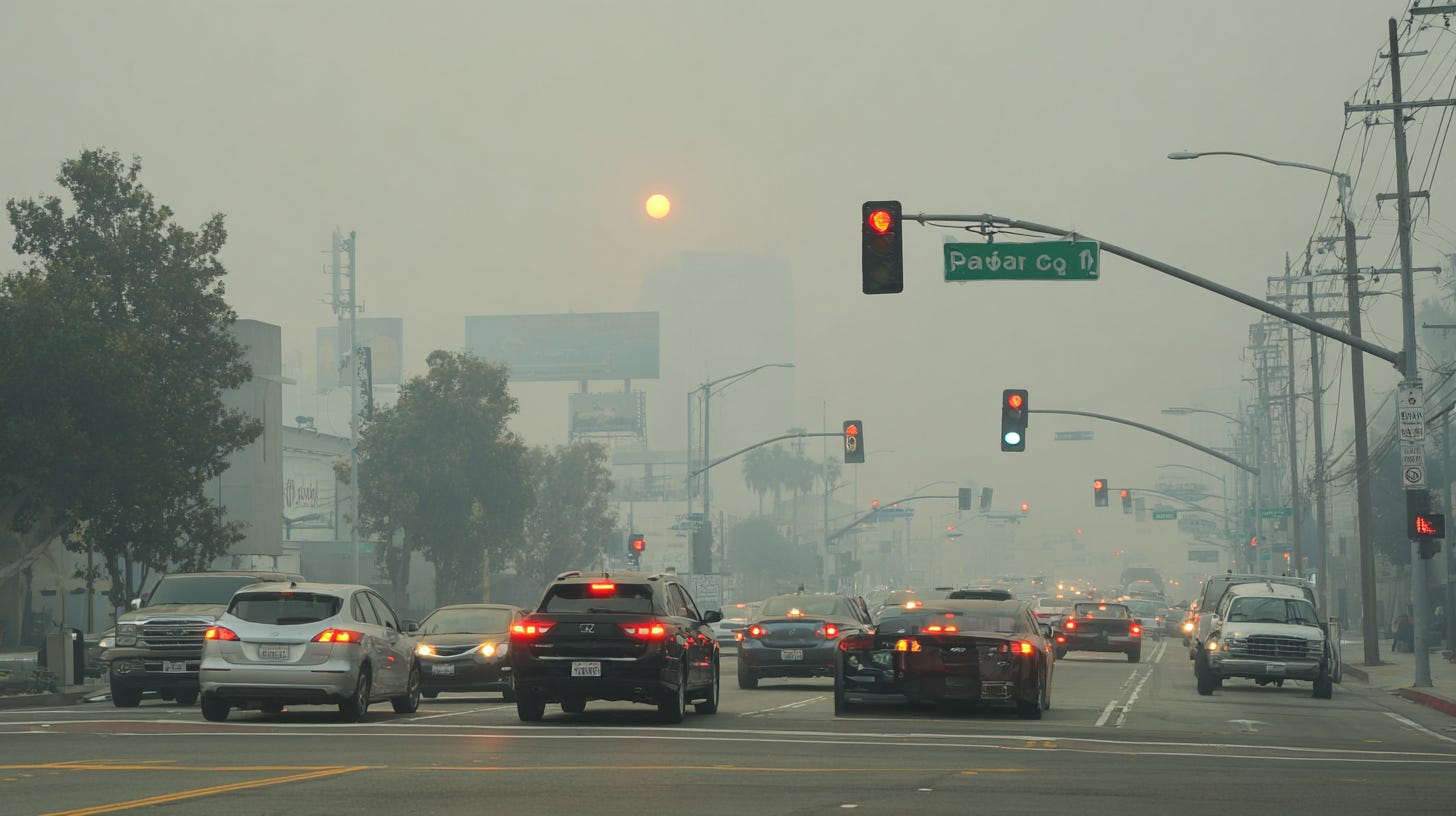
One thing you can’t say about the United States is that it’s consistent in its approach to public policy issues. Take for example, the environment, haphazardly regulated since the 1970s.
The Environmental Protection Agency was founded in the 1970s under Republican Richard Nixon and has been expanded and cut back since then, forming a zig-zag pattern of imposing and then rejecting stricter standards for air and water.
“The great question of the Seventies is … shall we make our peace with nature and begin to make reparations for the damage we have done to our air, to our land, and to our water,” Nixon declared in his first State of the Union address in 1970. In a divided political climate, Nixon went on to achieve bipartisan support to become the creator of modern environmental policy, which has followed a zig-zag course in the ensuing years.
The latest blow to steady improvement comes from President Trump, who this month revoked the Obama-era Greenhouse Gas rule, taking with it emission standards for cars and supposedly eliminating the start-stop feature that shuts off engines when newer cars are idling in traffic.
At its founding more than 50 years ago, the EPA enjoyed a mostly positive reception from voters, who clearly saw the need for improvements in the the nation’s air and water quality.
“When the agency was founded, there was this old saying that the air is so polluted that the people of Denver wanted to see the mountains again, the people of Los Angeles wanted to see each other again, the water was so contaminated that we had rivers bursting into flames,” Paul Anastas, a Yale University professor in the practice of Chemistry for the Environment, told the Yale Daily News. “These are not history lessons, these are guarantees of what our future will look like if we don’t take the actions necessary to preserve our environment.”
The White House is portraying its slash-and-burn actions as consumer-friendly deregulation, claiming they will save taxpayers $1.3 trillion while “restoring consumer choice” and lowering the price of new cars.
“The Trump EPA is strictly following the letter of the law, returning commonsense to policy, delivering consumer choice to Americans and advancing the American Dream,” EPA Administrator Lee Zeldin said.
Carmakers not thrilled
Maybe so, but automakers are not as enthused as Zeldin perhaps expected.
When the Biden Administration imposed new rules to drastically cut vehicle emissions, Ford supported the move, rejecting Republican arguments the new climate rules are bad for business. It said it welcomed the regulatory stability that the new rule would provide, preventing the “possibility of flip-flopping or changing standards.”
“Complying with emissions regulations requires lengthy advance planning, and Ford has taken steps to transform its business to ensure compliance with stricter emissions standards,” the company said.
Several companies had earlier supported keeping the emission rules in place because they had already invested heavily in EVs and hybrids, China and other nations still require strict emissions controls and fragmented U.S. rules complicate supply chains.
There’s also the little matter of California, the largest automobile market in the country. It retains its existing clean-air regulations for cars and roughly 12 other states follow its lead, including New York, Massachusetts, New Jersey, Washington, Oregon, Colorado, Maryland, Virginia, Vermont, Minnesota and D.C.
Together, these states represent about 40% of the U.S. market, in effect making California’s rules the default national standard. If this approach is upheld in court, it will be what industry fears most — fragmentation that forces it to build cars differently for sale in different states.
“Ford has consistently advocated for a single, stable national standard that aligns with customer choice, the market, societal benefit, and American job growth,” the company said in a statement.
In practice, most automakers will build cars to meet the tougher California standards regardless of whether federal standards are looser, so many Washington observers say the entire dust-up amounts to little more than political theater meant to entertain the folks back home.
The start-stop feature
Another tempest in a teapot is the start-stop feature on newer cars, which automatically shuts down the engine while idling. It’s intended to save fuel and reduce emissions in heavy traffic when cars site for long periods of time as they crawl through traffic.
The feature was actually not required by federal rules. Manufacturers implemented it in the U.S. and other countries as a product enhancement and an effort to improve their mileage ratings.
Manufacturers say they have upgraded the starters, batteries and other components that keep the system working but some mechanics are skeptical. A common complaint is that when the engine isn’t running, oil drains out of the cylinders. When the engine restarts, it is initially running without oil, potentially increasing wear and tear.
Most drivers are thought to be apathetic about the debate but Zeldin derides it as “the almost universally hated start-stop feature.”
Manufacturers were cautious in their response to Zeldin’s pronouncement. Several withheld comment but others said they would continue to include the feature both in the U.S. and in other markets.
“Start/stop technology availability will continue to vary by vehicle and market. As always, we evaluate customer preferences, regulatory requirements, and overall vehicle design when making product decisions,” said Stellantis.
A start-stop approach to the environment
Like a line of cars at a red light, the United States has displayed a start-stop approach to public policy, creating instability and making it difficult for business and institutions to plan effectively.
Although it has been steadily whipsawed from one administration to the next, the EPA has clearly made great improvements over the past 50+ years in such vital areas as lead removal, acid rain reduction, smog and particulates and drinking water protections.
Progress has not been so even in climate policy, chemical regulation (e.g., PFAS) and enforcement consistency, leaving the future looking murky at best.
“There’s a style … of cherry-picking evidence that raises doubts about mainstream climate science while ignoring or downplaying the much larger body of evidence that supports it,” said Robert Kopp, a professor of earth and planetary sciences at Rutgers University, one of 85 climate scientists who released a review challenging the Trump administration’s report that downplays climate change and its impacts.