


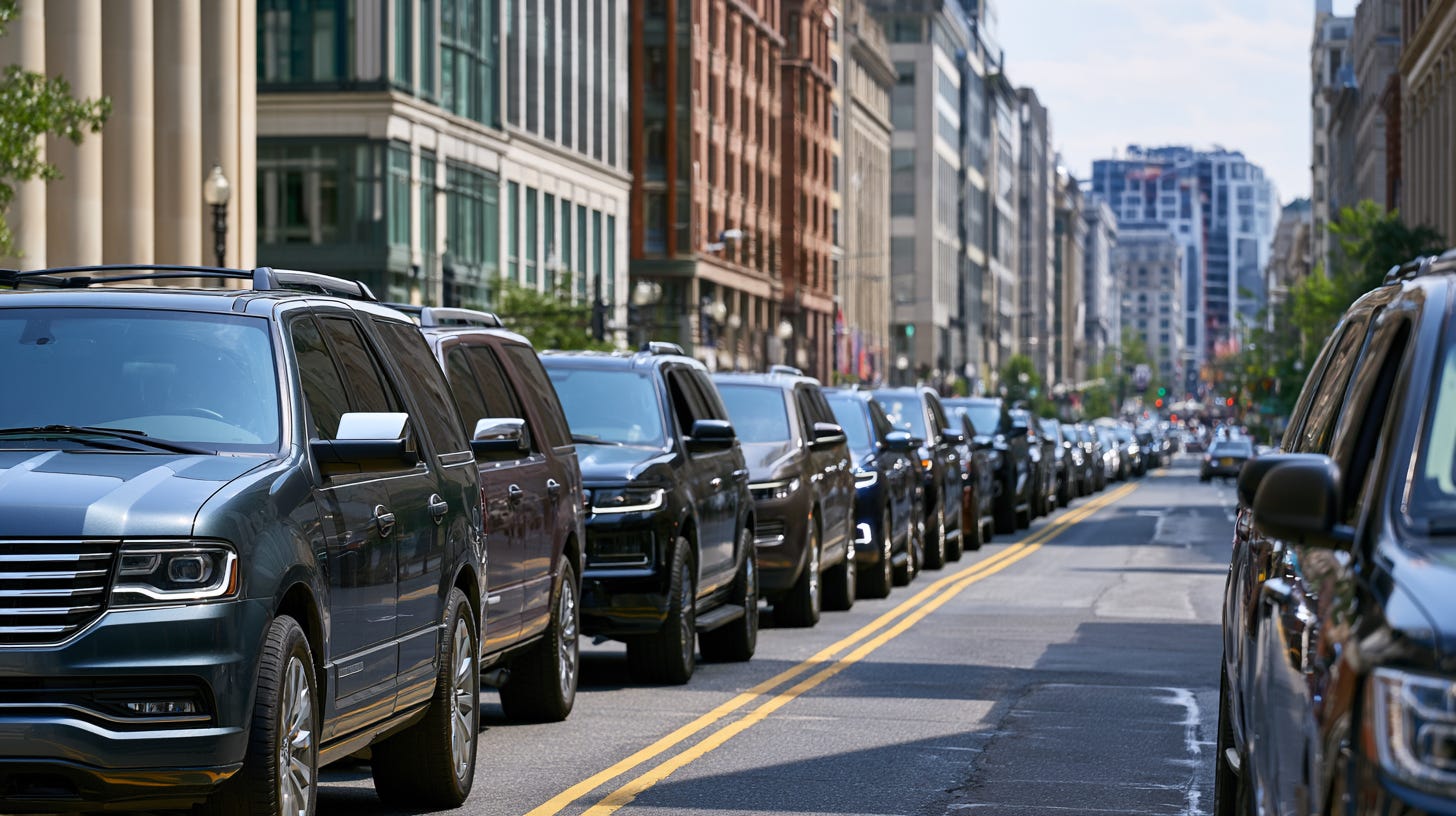
American car buyers may be falling out of love with sport-utility vehicles after a decade-long boom, as rising prices, fuel costs and a desire to stand out from a sea of look‑alike crossovers breathe new life into the humble sedan.
Industry analysts say “SUV fatigue” is beginning to creep into the U.S. market following years in which SUVs and crossovers grabbed a majority of new‑vehicle sales and pushed traditional passenger cars to the sidelines. A recent report from industry publication CBT News said younger buyers and budget‑conscious shoppers are rediscovering sedans as automakers push up prices on high‑riding models.
In research reported by the Detroit Free Press, 51% of teenagers surveyed in an Escalent “EVForward” study said they imagine themselves driving a sedan in the future, versus 31% who preferred SUVs and 14% who chose trucks.
Analysts say that cohort increasingly views SUVs as their parents’ vehicle of choice, much as older generations once dismissed station wagons and minivans.
“There seems to be a sort of SUV fatigue that consumers, car designers, and rental agencies are experiencing,” said Karl Brauer, executive analyst at iSeeCars. “There’s a group of people looking just to not look like everyone else. A sedan offers that — which is funny because they were considered boring and now they are cool.”
Affordability boosting the trend
Affordability is giving sedans an added tailwind. Cox Automotive data reported by the Detroit Free Press show the average sale price for a new compact car at about $27,590 in April, compared with roughly $37,500 for a compact SUV, while midsize sedans average around $34,000 against more than $50,000 for midsize SUVs.
With the average new‑vehicle transaction price hovering near $50,000, sedans undercut SUVs not only on sticker price but also on insurance, fuel and, in many cases, parking costs, analysts say.
High fuel prices are reinforcing that gap. The Free Press reported that average gasoline prices recently topped about $4.50 a gallon, and analysts say a typical gasoline sedan can deliver roughly a 10% advantage in combined fuel economy versus a large gasoline SUV, although the gap narrows when compared with smaller crossovers and hybrids.
“As affordability becomes a more pressing concern, the appeal of sedans is growing,” said Edmunds analyst Ivan Drury in comments cited by the paper.
Starting to shift
Early sales data hint that consumer behavior is starting to shift, even as SUVs retain the upper hand in the showroom. In the first quarter of 2026, the Toyota Camry remained America’s best‑selling passenger car, with sales up 11.3% to 78,255 units, while the smaller Corolla rose 12.8% and moved into the top 10, according to registration figures compiled by BestSellingCars.com. Those gains “hint at renewed interest in sedans, likely driven by pricing pressures and improved availability compared to recent years,” the site said.
Automakers are paying attention. CBT News reports that Ford chief executive Jim Farley has repeatedly hinted the company could re‑enter the affordable sedan market in the U.S. with a potential sub‑$40,000 model, a sharp turn after Ford dropped most of its traditional cars from the lineup. Stellantis is also weighing plans to revive Chrysler sedans as companies reassess how much SUV exposure consumers really want, according to Reuters.
The U.S. market offers plenty of room for new contenders if sedans do claw back share. The Free Press noted there were about 130 sedan models for sale in 2016, a number that has shrunk to roughly 50 today after automakers slashed passenger‑car offerings in favor of crossovers and trucks.
Market‑tracking site TrueCar, meanwhile, lists aggressive deals on dozens of sedans this month, including sub‑$260 leases on models like the Hyundai Elantra and Toyota Corolla and promotional financing as low as 0.99% on some midsize cars.
Still the default … for now
For now, SUVs remain the default choice for many American households, especially as manufacturers continue to roll out new hybrid and electric crossovers aimed at improving efficiency without sacrificing utility.
But with younger buyers signaling a preference for traditional three‑box cars and budget pressures intensifying, analysts say the U.S. could be headed toward a more balanced mix of sedans and SUVs than it has seen in years.motortrend+6
“It’s too early to call a full‑blown sedan renaissance,” said one industry analyst, “but the days of writing obituaries for the segment may be behind us.”