

OnePay grows from Walmart side project into banking challenger
A financial technology company that many Americans have never heard of is quietly becoming one of the most ambitious challengers to traditional banking.
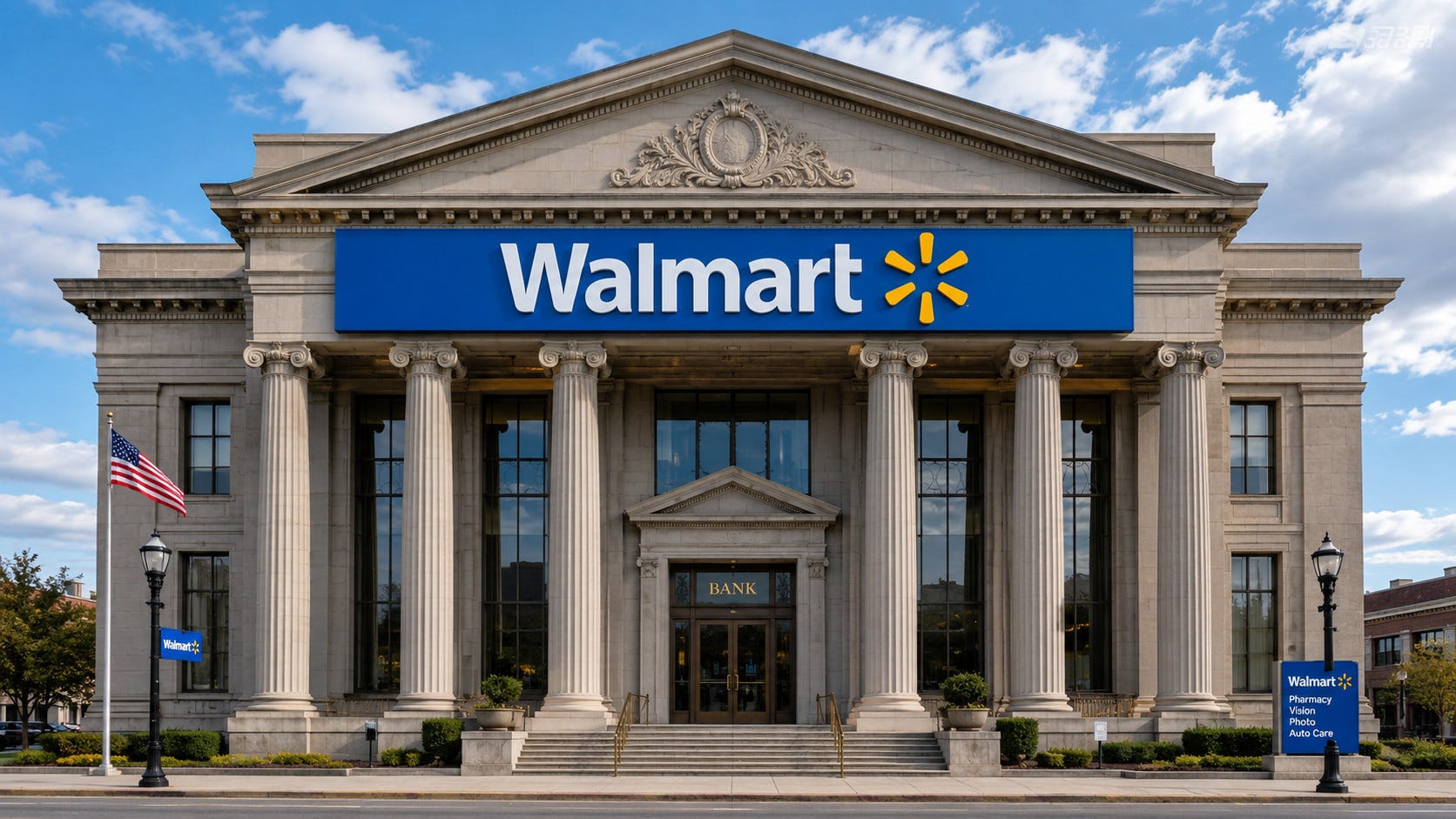
OnePay, the Walmart-backed fintech formerly known as One, is leveraging Walmart’s massive customer base to build what executives describe as a “super app” for consumers’ financial lives. The company now offers checking and savings accounts, debit cards, digital wallets, credit products, investing services, credit-building tools, and installment loans through a single mobile app.
According to Bloomberg, OnePay has doubled both its user base and payments volume over the past year and is now looking beyond Walmart shoppers as it seeks broader growth.
The strategy mirrors efforts by companies such as PayPal, Cash App, and Chime to become consumers’ primary financial relationship, but OnePay enters the market with a unique advantage: Walmart’s enormous reach.
Roughly 90% of Americans live within 10 miles of a Walmart store, giving OnePay access to one of the largest built-in customer bases in the country.
Building a full-service financial ecosystem
The company has been steadily expanding its offerings.
OnePay currently provides banking services through partner banks, including savings accounts, debit cards with Walmart rewards, digital wallets, credit-builder products, investing services, and cryptocurrency plans.
Last year, Walmart and OnePay partnered with Synchrony Financial to launch a new credit card program, including both a Walmart-only card and a Mastercard that can be used anywhere. The cards are integrated directly into the OnePay app.
The company has also partnered with Klarna to offer Buy Now, Pay Later financing for Walmart purchases, allowing consumers to spread payments over periods ranging from months to years.
For Walmart+ subscribers, some products offer enhanced rewards, including up to 5% cash back on Walmart purchases.
What consumers should watch
As OnePay expands, experts recommend that consumers compare its products with traditional banks and credit unions before moving their primary financial relationship.
Consumers should pay close attention to:
Savings account yields and any qualification requirements.
Credit card interest rates and fees.
Buy-now-pay-later financing costs.
Deposit insurance protections.
Data-sharing and privacy policies.
Customer service options if problems arise.
For consumers who already shop regularly at Walmart, OnePay’s rewards and convenience may prove attractive. But financial experts continue to emphasize the same rule that applies to any bank or fintech product: compare the costs, understand the terms, and avoid borrowing more simply because credit has become easier to access.
What it means for consumers
For consumers frustrated by traditional banks, OnePay’s growth could create additional competition in a sector long dominated by large financial institutions.
Digital-first providers often attract customers by offering higher savings yields, fewer fees, early access to direct deposits, and integrated budgeting tools. OnePay currently advertises high-yield savings accounts and cash-back rewards tied to Walmart spending.
Competition from fintech firms has already pressured banks to improve mobile banking experiences and reduce certain fees. Industry analysts say OnePay’s continued expansion could intensify that pressure, particularly among lower- and middle-income consumers who frequently shop at Walmart.
However, consumer advocates note that the same app that helps customers save money may also encourage increased borrowing through installment loans, credit cards, and other lending products.
A growing trend in consumer finance
OnePay reflects a broader shift in consumer finance in which retailers, technology firms, and fintech companies increasingly offer banking-like services without becoming traditional banks themselves.
The company is not a bank. Instead, it partners with FDIC-insured financial institutions that hold customer deposits and provide regulated banking services.
Consumer advocates say looser fintech regulation backed by the Trump administration is opening the door to lighter regulation that would enable predatory lending, hidden fees, high interest rates and fewer protections against consumer losses.
That model has become increasingly popular because it allows fintech firms to move quickly while avoiding many of the costs associated with operating a chartered bank.
The approach has helped companies such as Chime, Cash App, and PayPal attract millions of customers. OnePay’s backers believe Walmart’s scale could allow it to reach an even larger audience.