

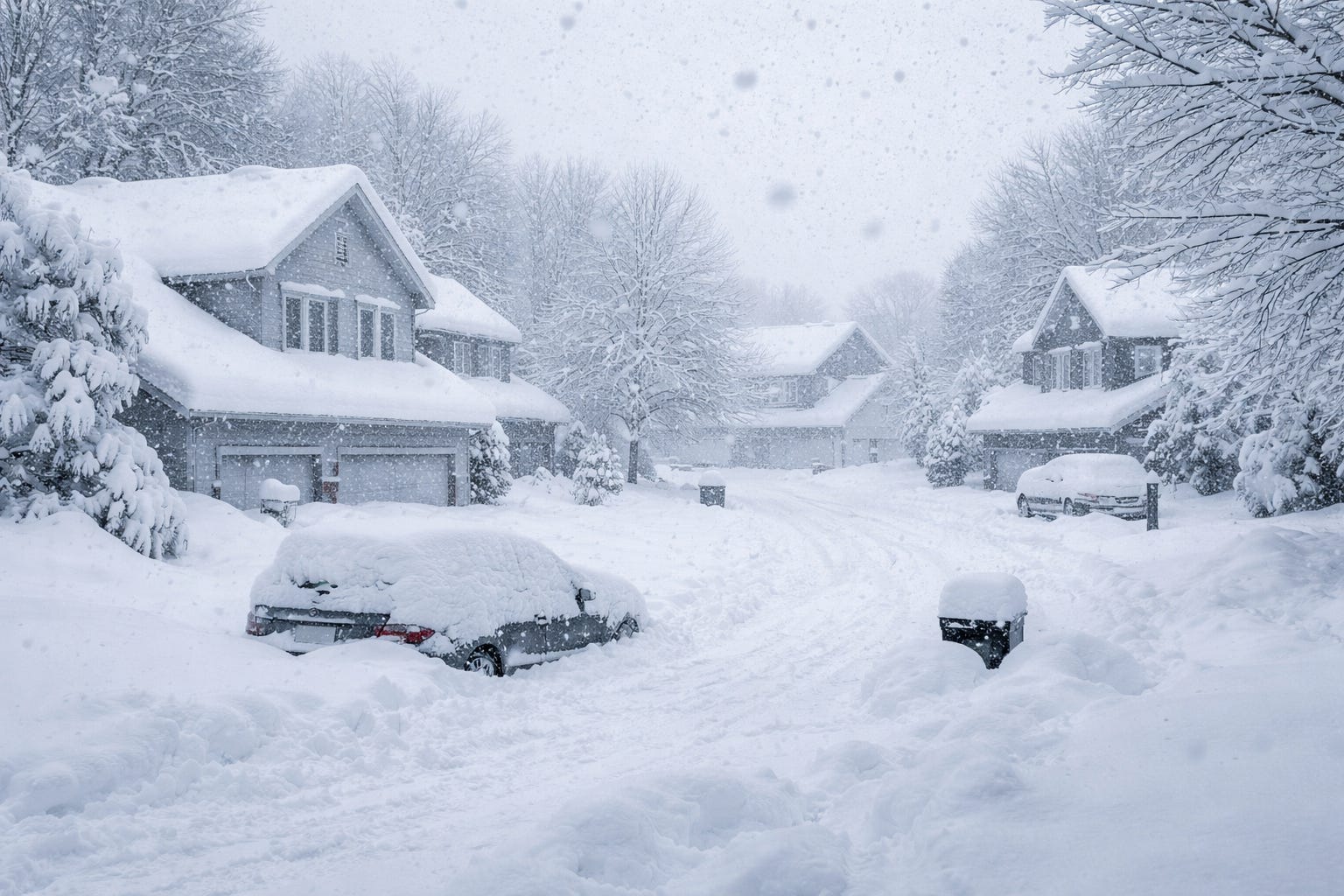
The weather outside is frightful but the prospects are delightful for energy companies and unscrupulous retailers and service providers, according to Public Citizen and other consumer advocates.
Milk, bread, bottled water, generators and towing services are among the items whose prices tend to miraculously rise during storms and natural disasters. Utility costs also tend shoot skywards.
As if the weather’s not bad enough, consumer groups are blaming the Trump administration for making matters worse.
“Americans across the country are already grappling with an affordability crisis exacerbated by Donald Trump, despite his bogus claims that he would ‘slash’ utility bills in half in one year if elected,” said Tyson Slocum, Public Citizen’s energy program director, in a news release.
“This strain may get significantly worse if energy companies — as they’ve done in the past — use plummeting temperatures and treacherous weather conditions as an excuse to raise energy prices for people who are just trying to stay safe,” Slocum said. “This despicable profiteering should be illegal, but, as Public Citizen has warned, weak oversight of energy markets has made it so companies can get away with it.
Slocum noted that Trump’s Federal Energy Regulatory Commission terminated its investigation into corporate price gouging during Winter Storm Uri with no enforcement actions.
“The only thing Americans should worry about in extreme weather events is keeping themselves and their loved ones safe. We need immediate action to strengthen oversight of American energy markets and reopen investigations into corporations that have price gouged consumers,” he said.
Few gouging reports during the early stages
So far, warnings are more frequent than actual reports of storm-related price gouging, although there are scattered local complaints throughout the huge territory affected by the storm.
Many parts of the country were so socked in during the first few days of the storm that few consumers ventured out and thus avoided being ripped off for crucial supplies, like snow shovels.
Local reports told of price gouging and elevated prices for gasoline, propane and heating oil, as well as cases of water being sold at higher prices before the storm. Generators are also high on the list of likely prospects for drastically hiked prices.
Most states have laws against price-gouging and many of them — including Virginia, South Carolina, North Carolina and New Jersey have already issued dire warnings of huge fines and even jail time for businesses convicted of storm season rip-offs. Actual prosecutions are relatively rare, however.
How to avoid price-gouging
Panic buying is a contributor to price-gouging. When hordes of consumers descend on their local supermarkets and home goods stores and buy up all the bread, milk and toilet paper in sight, it doesn’t create much incentive for stores to cut prices. Likewise, panic buying leads to hasty buying decisions. It’s hard to be diligent about finding the best deal when the storm clouds are rolling in.
The key here is being prepared. Every area is prone to disturbances of one sort or another. It’s prudent to have an emergency stash of essential supplies squirreled away somewhere — bottled water, canned goods, etc.
A particular peeve of the Outraged Consumer is the smallish gas generator, often purchased in a panic during an earlier storm, used briefly and then buried in a dusty corner somewhere. When hauled out hastily in the latest emergency, the gas has usually gone bad, the spark plug is fouled and the cursed thing is reluctant to start.
Once the harried homeowner gets the generator going, it makes an unholy racket and runs out of gas a short time later. This is when it’s discovered that, because the power is out, the gas stations are closed. Ergo, no gas and, therefore, still no electricity. (There are other issues as well — extension cords, fires, asphyxiation but we’ll leave those for another day).
Long-term, it may be time to consider a Tesla-style battery for emergency power. We’ll discuss that more fully in a future story.
What else?
How else can you avoid being mercilessly gouged after a storm or earthquake? Sticking to big-box stores may help. They tend to maintain regular pricing, whether because of morality or just plain bureaucracy. Meanwhile, avoid online marketplaces like Craigslist and Nextdoor, where you’re likely to find merchandise marked up from two to five times.
A few other basics:
Pay with credit cards to create a paper trail and provide evidence to support disputes;
Keep track of normal rates. Maybe take a screen shot of hotel rates in your area and hang onto supermarket sales brochures so you can document extreme price shifts;
Know the law. Most states and some cities have laws against price-gouging during emergencies. Your state’s attorney general is supposed to be protecting consumers, not arguing cultural issues with other states. Google [your state attorney general] to find your AG and check out the site to locate the complaint form.
Complain loudly, lengthily and accurately. If you find and can document illegal price-gouging, report it to the AG and describe it factually and calmly on social media. Avoid calling people names and threatening to dismember them. Rash threats can backfire.
Above all, don’t despair. Bad weather always passes, at least in most locales. But don’t get complacent either because it always returns.