


Everything is breaking … in order. Freezers in Europe, the U.S. air traffic control system, banks, Microsoft and Apple and, now, even the top-secret National Security Agency (NSA) is having issues.
The Outraged Consumer mentioned to his wife the other night that someone seemed to be testing the world’s biggest Distributed Denial of Service (DDOS) system.
“Oh, don’t be an alarmist,” she said. “Sometimes things just happen.”
In a way, the latest incidents seem like the UFO sightings that electrified the country back in the 1960s. At the time, NASA dismissed them as “just swamp gas,” which was a little less convincing than simply saying they were unexplained.
It’s true of course that things just happen sometimes but the things happening recently appear to both crude and effective. They don’t do much more than knock stuff off-line. Data seemingly doesn’t get destroyed or stolen, as least as far as anyone will say. And nothing bad happens to consumers except their stuff stops working.
What’s a DDOS?
DDOS attacks have been around seemingly forever, although new protections on the internet manage to stop most of them. A DDOS is usually launched by a few nefarious individuals who write a virus that hides in apps, programs and data and infects any computer that downloads it.
Then, on a signal or at a specified time, the infected computers start sending a constant stream of file requests to the targeted system. This used to amount to little more than vandalism but as protections ramped up, more serious players got into the act.
Back around 2005 or so, a well-known consumer news site was knocked off the internet for months. No one knew why but a private (and very expensive) investigator determined that the virus came from China and had been loaded onto the computer systems at major American universities. It flooded the consumer site constantly with millions of page requests per day.
The villain became known to the site and the investigator but a non-disclosure agreement stopped the attacks and got the site back on the web seconds before it ran out of time and money.
Today, protective measures are stronger than ever but the massive computer systems known collectively as AI are perhaps even stronger and could bring down or at least hamper even the mighty NSA, the government agency that’s so secret and powerful that it’s sometimes said the acronym stands for No Such Agency.
Of course, other countries — China, North Korea, Iran — have their own massive computer systems.
Internet of Things
For awhile the internet was just text and images being exchanged by humans. Then someone had the bright idea of hooking up large industrial systems, like the electrical grid, to the internet, followed by refrigerators, home plumbing systems and just about everything else. Marketers got hold of it and called it the Internet of Things. So clever, those marketers.
There are now pangs of concern about whether that was really a good idea.
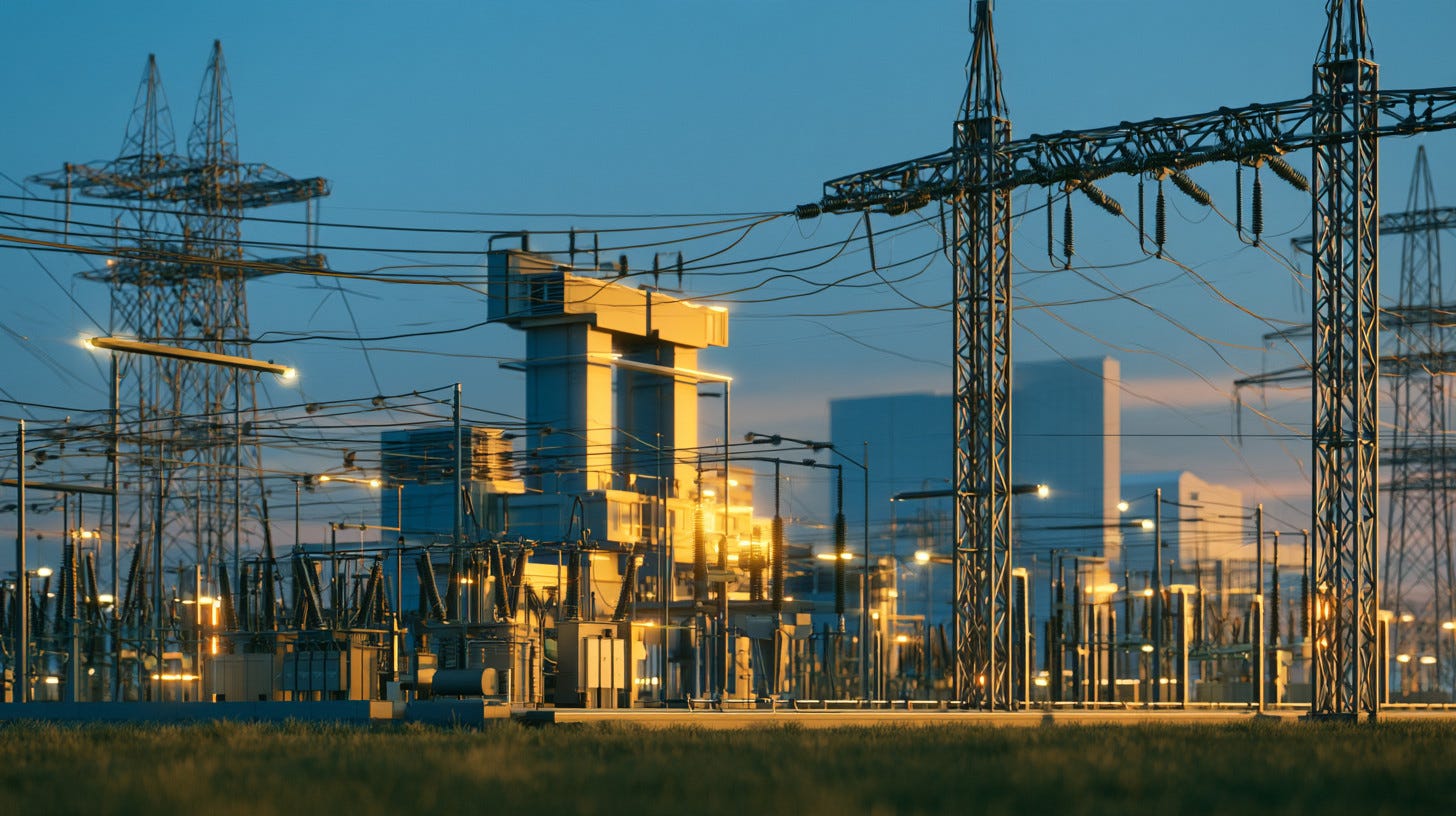
There have long been fears that the U.S. electrical system is vulnerable to disruption through its central control points which are on the IOT circuit. Maybe the water system too?
What if all the weird and unexplained disruptions of the past few weeks are rehearsals for an AOE — Attack On Everything?
Are there a bunch of really smart and dedicated people who have thought about this and who are at this very moment devising ways to deflect such a potential cataclysm. Maybe, but maybe not. If so, maybe they could tell us about it.
Unfortunately, the U.S. intelligence agencies have been politicized in the Trump Era. Trump distrusts experts and has installed his own loyalists in various top posts in both civilian and military agencies. That’s nice but do Fox News stars really have the accumulated knowledge that’s needed to dispel both cyber and physical attacks?
Don’t think about too much about that or your sleep may be disrupted. Oh, and keep a flashlight handy. You never know.